
Joint venture: how it works
You contribute the land, we fund and manage planning and delivery, and the proceeds are shared as agreed.
A landowner joint venture is a partnership where the owner contributes land and we fund and manage planning and delivery, with the proceeds shared on an agreed basis after agreed costs are recovered. It can unlock more value than a sale but involves more risk, longer timescales and closer involvement.

How does a joint venture work?
Explore the fit
We discuss your goals, the site and how much risk and involvement you want.
Agree the structure
We agree how land value is credited, who funds what, how profit or proceeds are shared and how decisions are made.
Planning and delivery
We take the scheme through planning and, depending on the structure, through construction or onward sale.
Distribution
Proceeds are distributed according to the agreement.
Is it right for you?
What you gain
- Potential to share in more of the final value
- You stay involved in the outcome
- Flexible structures to suit the site
What to weigh up
- More risk than a sale or option
- Longer timescales before you are paid
- Needs careful legal, tax and financial advice
Usually suits
- Owners of larger or well-located sites
- Landowners who want a long-term interest
- Sites where a sale would undervalue the long-term potential
Every site is different. Take independent legal, valuation and tax advice before agreeing terms; we are happy to work with your advisers.
Land this route often suits
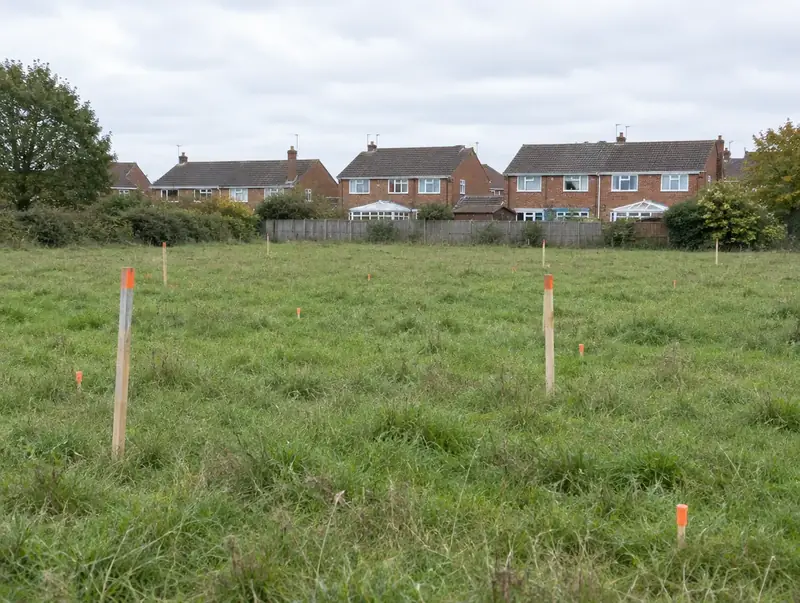 Wanted
Residential development land
Land that could take new homes, from a handful of plots to whole neighbourhoods.
Learn more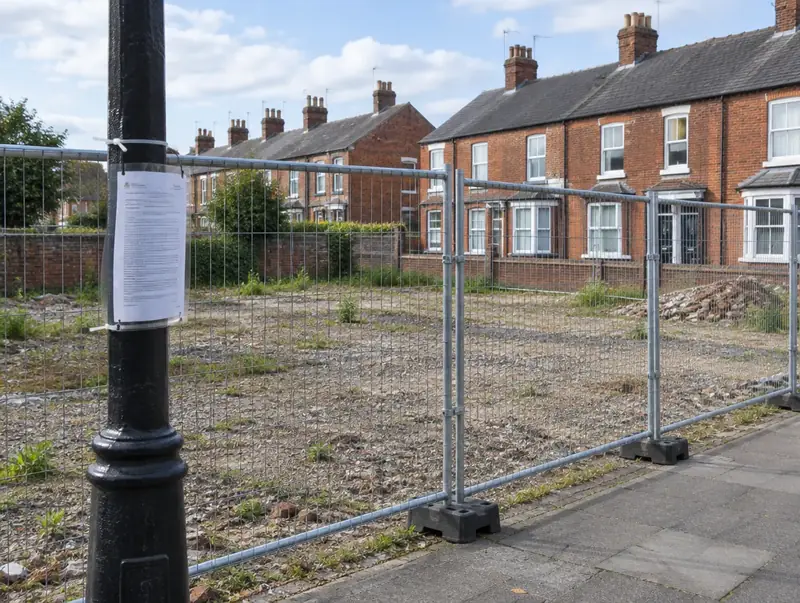 Wanted
Land with planning permission
Sites with outline or full permission for homes, including permissions close to expiry.
Learn more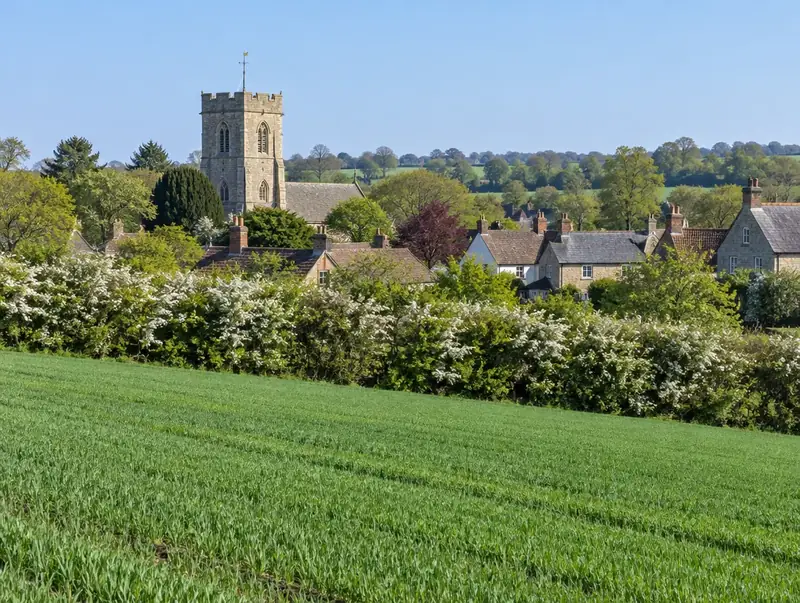 Wanted
Land without planning permission
Fields, plots and sites with no consent yet but a realistic route to one.
Learn more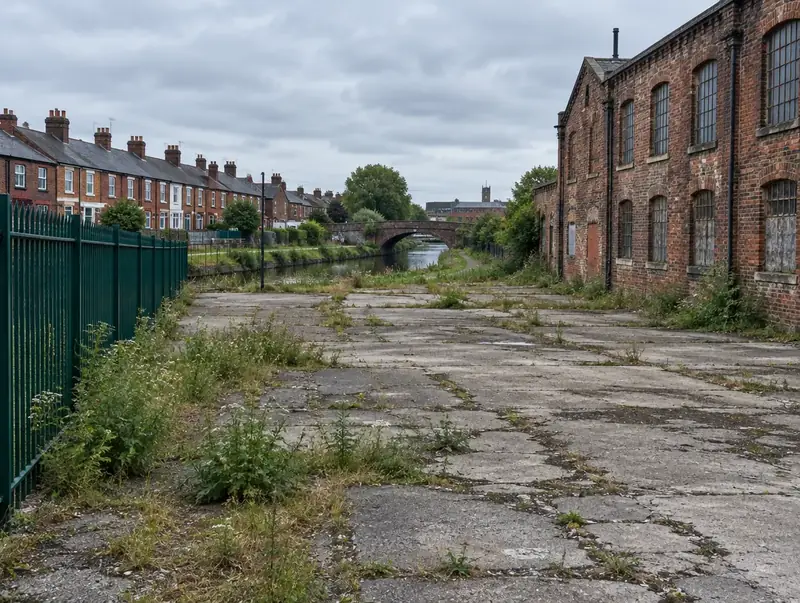 Wanted
Brownfield land
Previously developed sites: former yards, depots, works and cleared plots.
Learn more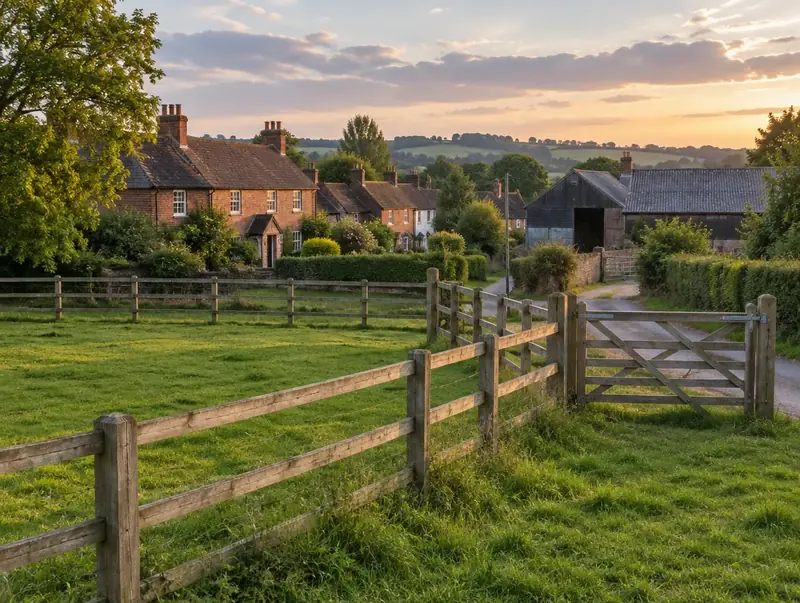 Wanted
Farmland and paddocks
Fields and paddocks next to towns and villages, with or without tenants.
Learn more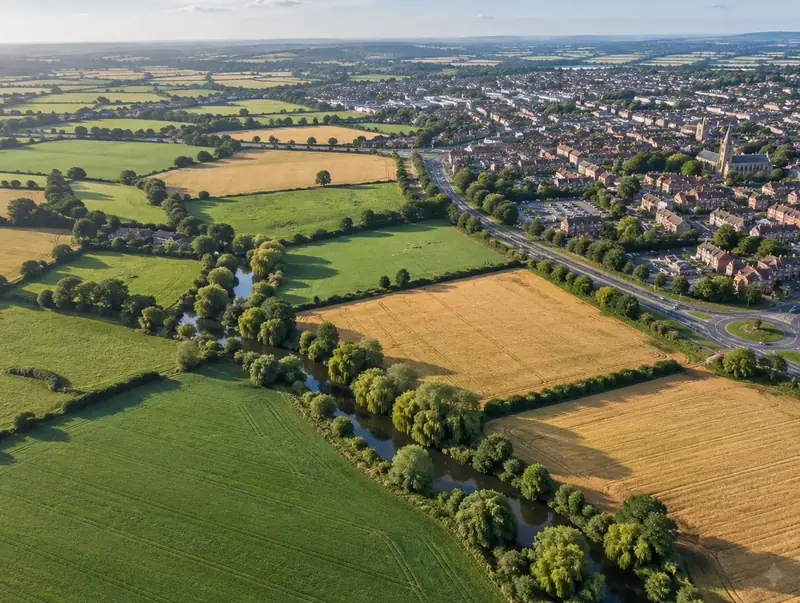 Wanted
Strategic land
Larger sites for 50 or more homes, often promoted through the local plan.
Learn more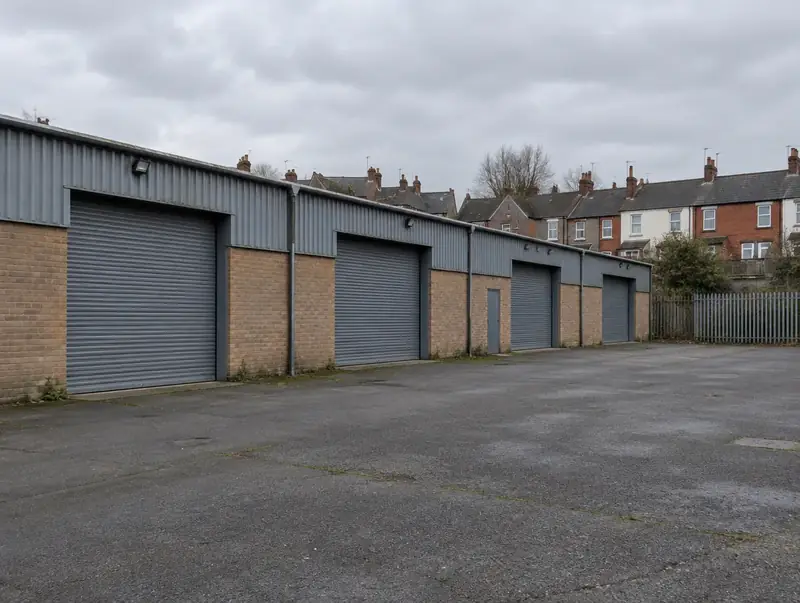 Wanted
Commercial and industrial sites
Industrial units, yards and commercial land where homes could replace the current use.
Learn more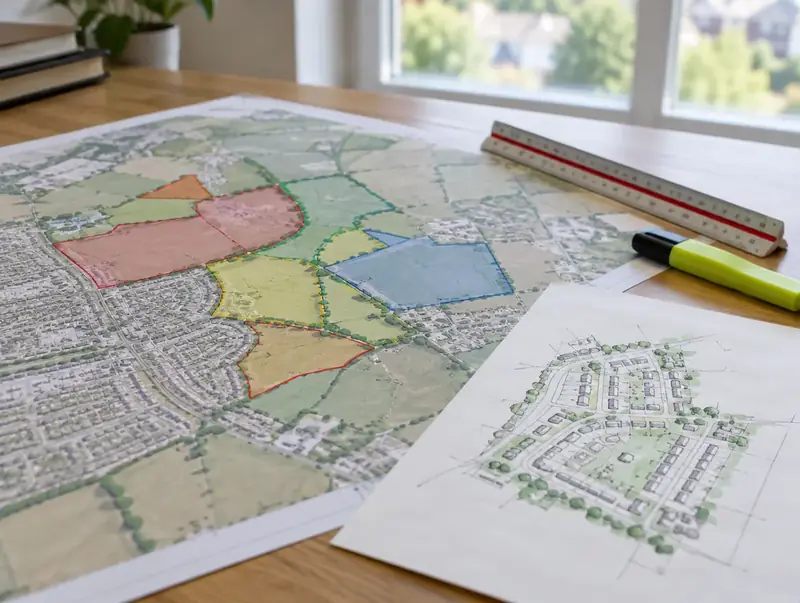 Wanted
Allocated and promoted land
Land allocated in a plan or put forward to a call for sites or candidate site process.
Learn moreJoint venture by area
- Bedfordshire
- Berkshire
- Bristol
- Buckinghamshire
- Cambridgeshire
- Cheshire
- Cornwall
- County Durham
- Cumbria
- Derbyshire
- Devon
- Dorset
- The East Riding of Yorkshire
- East Sussex
- Essex
- Gloucestershire
- Greater London
- Greater Manchester
- Hampshire
- Herefordshire
- Hertfordshire
- The Isle of Wight
- Kent
- Lancashire
- Leicestershire
- Lincolnshire
- Merseyside
- Norfolk
- North Yorkshire
- Northamptonshire
- Northumberland
- Nottinghamshire
- Oxfordshire
- Rutland
- Shropshire
- Somerset
- South Yorkshire
- Staffordshire
- Suffolk
- Surrey
- Tyne and Wear
- Warwickshire
- The West Midlands
- West Sussex
- West Yorkshire
- Wiltshire
- Worcestershire
- Clwyd
- Dyfed
- Gwent
- Gwynedd
- Mid Glamorgan
- Powys
- South Glamorgan
- West Glamorgan
Joint venture: questions
Do I need to put money in?
Not usually. In most landowner joint ventures the land is the owner's contribution and we fund the costs, which are recovered from the proceeds before profit is shared. Structures vary.
How are profits shared?
By agreement. Common models include a priority return for the land followed by a share of profit.
What if the venture does not get planning?
The agreement sets out what happens. In a simple contractual joint venture the land usually stays yours, but company or partnership structures, or a lender's charge, can change that, so take advice on the structure.
Is a joint venture right for me?
It suits owners comfortable with more risk and a longer timescale. We will say if a sale or option looks a better fit.