
Joint venture for land in Gwent
You contribute the land, we fund and manage planning and delivery, and the proceeds are shared as agreed.
A landowner joint venture is a partnership where the owner contributes land and we fund and manage planning and delivery, with the proceeds shared on an agreed basis after agreed costs are recovered. It can unlock more value than a sale but involves more risk, longer timescales and closer involvement.

Joint venture for land in Gwent
Considering a joint venture for land in Gwent? Here is how it works and where it fits. Gwent covers south-east Wales, from Newport, Cwmbran and Pontypool to the valley towns of Ebbw Vale, Tredegar, Blackwood and Caerphilly and the market towns of Abergavenny, Chepstow and Monmouth. Typical sites include former industrial and colliery land, edge-of-town fields and village infill, with green wedges protecting gaps between settlements. Phosphate limits in the Usk and Wye catchments have held back housing in parts of the area, and the Gwent Levels bring flood and habitat constraints.
Newport's adopted Local Development Plan designates a green belt between Newport and Cardiff, and Future Wales anticipates a wider green belt for south-east Wales once a regional plan sets its boundary. Newport and Cwmbran see the strongest demand, while Bannau Brycheiniog National Park and the Wye Valley National Landscape cover northern and eastern parts of the area.
The Planning (Wales) Act 2026 received Royal Assent on 27 April 2026 and is being brought into force in stages, consolidating Welsh planning law into a single Welsh framework.
In Wales a planning permission usually lasts five years before work must begin, and land purchases are subject to Land Transaction Tax rather than Stamp Duty Land Tax.
Parts of Gwent fall within Bannau Brycheiniog National Park and Wye Valley National Landscape. Protected landscapes carry strong policy protection, so land in or next to them needs particularly careful assessment.
In short: you contribute the land, we fund and manage planning and delivery, and the proceeds are shared as agreed. It usually suits owners of larger or well-located sites; landowners who want a long-term interest; sites where a sale would undervalue the long-term potential. See how a joint venture works for the full process, pros and cons.
Land in Gwent that often suits a joint venture
 Wanted
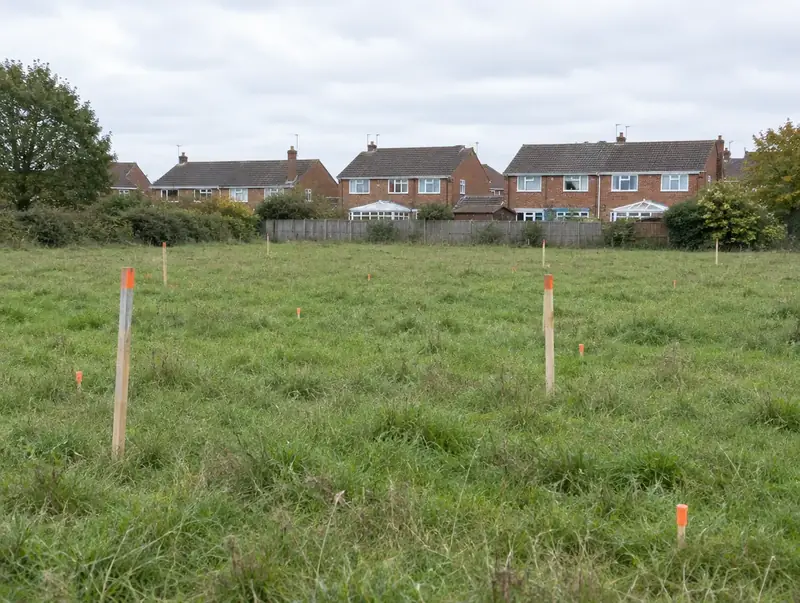
Residential development land
Around Cwmbran, the residential land that tends to work is close to existing homes, shops and transport rather than out on its own. For owners who want to share in the value of the finished homes.
Learn more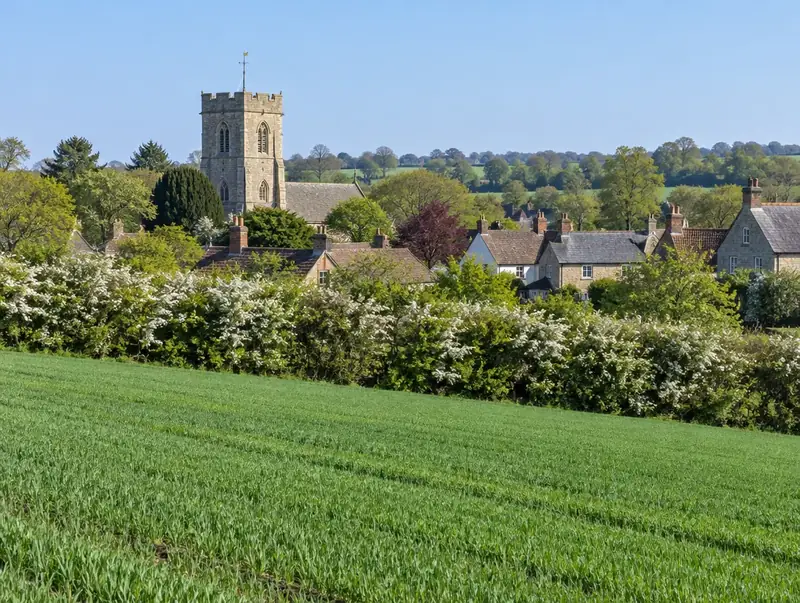 Wanted
Land without planning permission
Near Cwmbran, land without planning is worth discussing where it adjoins existing homes or has been put forward to the council's plan. For owners who want a bigger share of the upside in return for more risk.
Learn more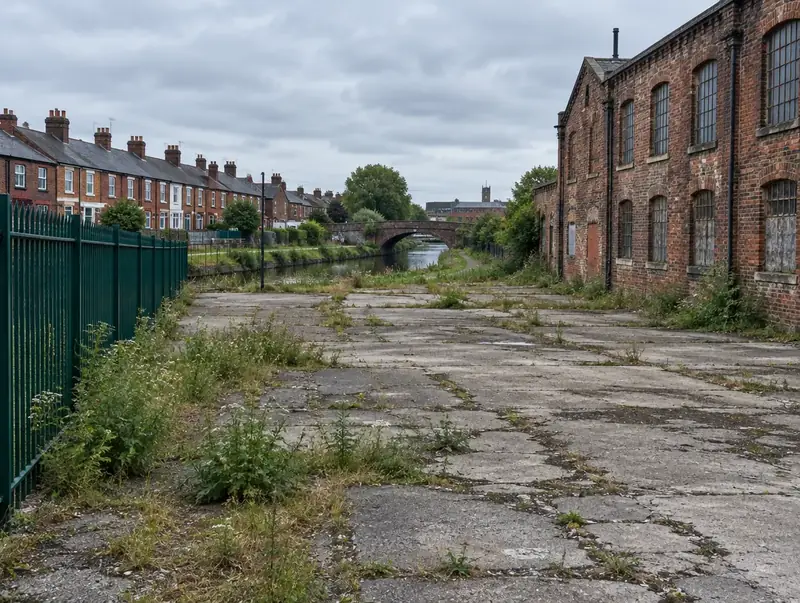 Wanted
Brownfield land
Former works, depots and yards in and around Cwmbran can make good housing sites once the ground and neighbouring uses are understood. Can work where the owner wants to share in a redevelopment.
Learn more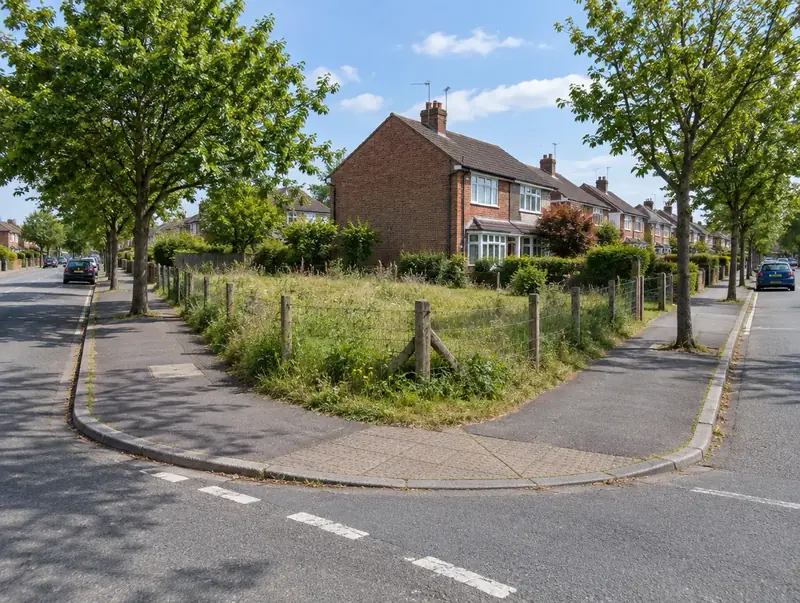 Wanted
Small sites
We want to hear about plots for a few homes anywhere around Cwmbran, including ones a larger builder has already turned down. Possible if you want a share of the finished homes.
Learn more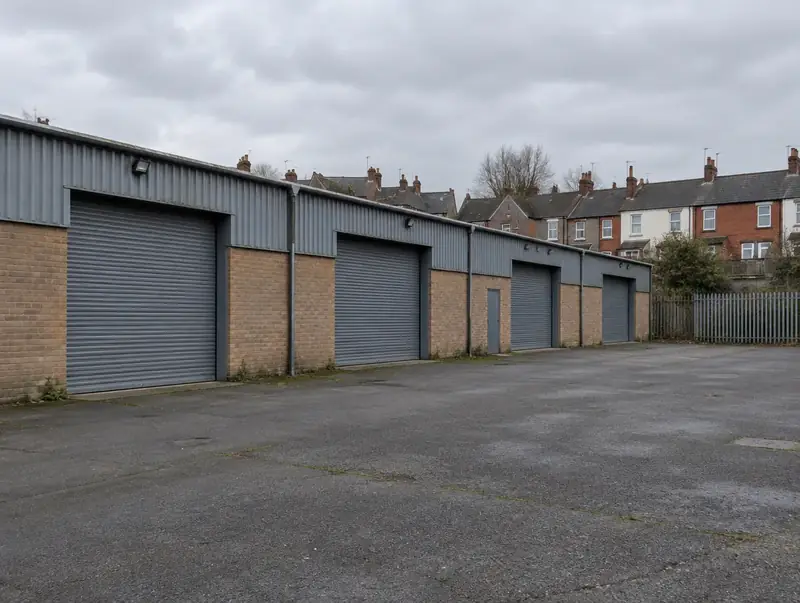 Wanted
Commercial and industrial sites
Older business land around Cwmbran, especially units now surrounded by housing, is the kind of commercial site we would like to discuss. Can suit owners who want to share in a redevelopment.
Learn more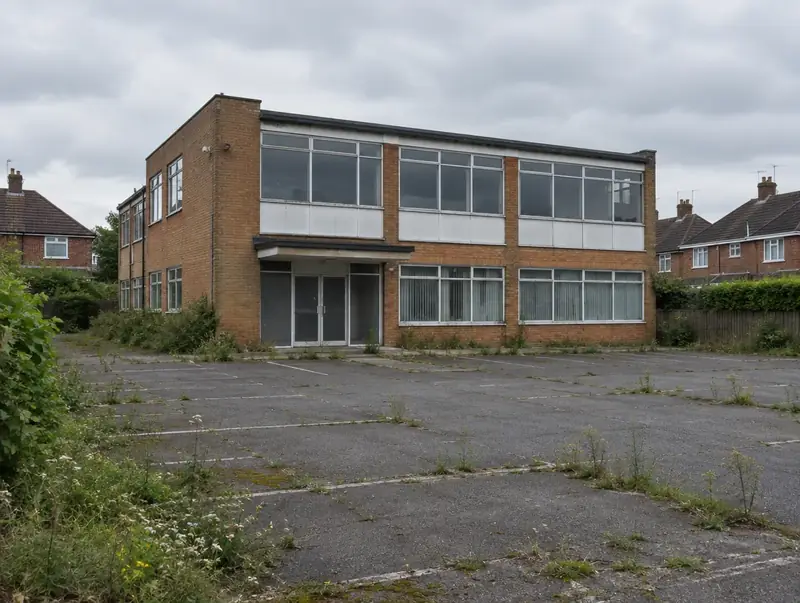 Wanted
Redundant buildings
Across Cwmbran, empty offices, shops and former pubs can find a new life as homes when the building and the planning position line up. Possible where the owner wants to share in the conversion.
Learn more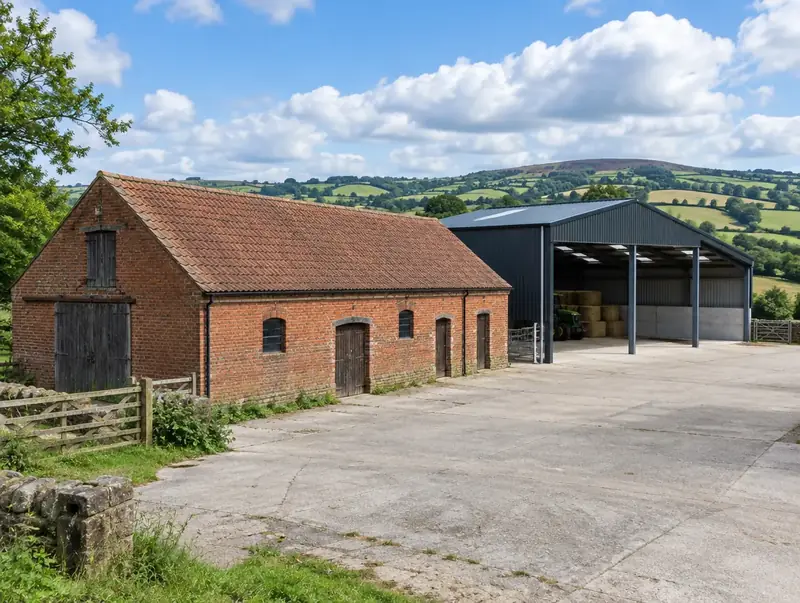 Wanted
Barns and rural buildings
In the countryside around Cwmbran, redundant barns and yards can sometimes become homes, depending on the building and the route available. Possible for larger farmyards.
Learn more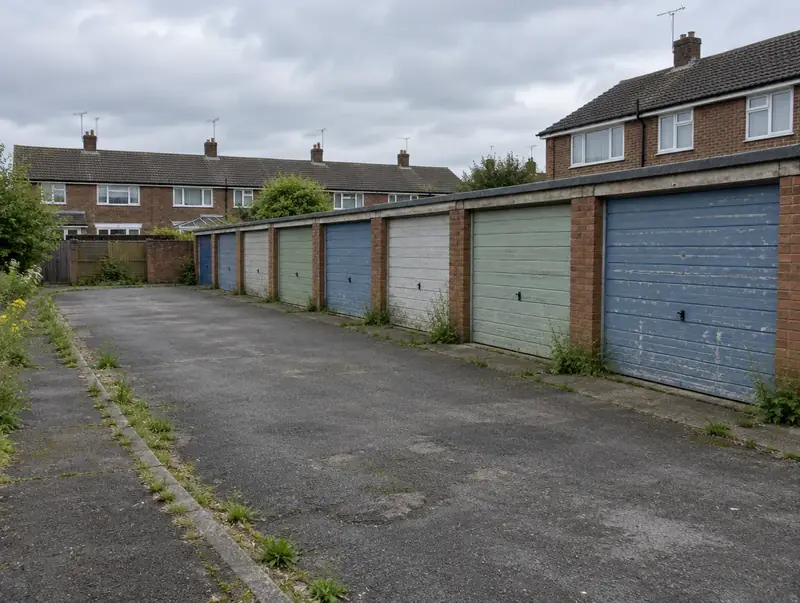 Wanted
Garage courts and yards
Garage courts tucked behind homes in Cwmbran are often ideal for a small number of new houses or bungalows. Possible for groups of courts.
Learn moreTowns we cover in Gwent
Joint venture: questions
Do I need to put money in?
Not usually. In most landowner joint ventures the land is the owner's contribution and we fund the costs, which are recovered from the proceeds before profit is shared. Structures vary.
How are profits shared?
By agreement. Common models include a priority return for the land followed by a share of profit.
What if the venture does not get planning?
The agreement sets out what happens. In a simple contractual joint venture the land usually stays yours, but company or partnership structures, or a lender's charge, can change that, so take advice on the structure.
Do you use joint ventures for land in Gwent?
Yes. We use joint ventures across Gwent and the rest of Wales, where the structure suits the site and the owner.