
Joint venture for land in Merseyside
You contribute the land, we fund and manage planning and delivery, and the proceeds are shared as agreed.
A landowner joint venture is a partnership where the owner contributes land and we fund and manage planning and delivery, with the proceeds shared on an agreed basis after agreed costs are recovered. It can unlock more value than a sale but involves more risk, longer timescales and closer involvement.

Joint venture for land in Merseyside
We use joint ventures for suitable land across Merseyside. Merseyside centres on Liverpool, with Birkenhead and Wallasey across the Mersey, Southport and Formby on the coast, and towns such as St Helens, Bootle, Huyton and Kirkby. Green Belt separates many of these places and covers much of the remaining open land, so most housing comes from previously developed land, docks, former industrial estates and town-centre sites. Grey belt and small fringe sites can also come forward.
Regeneration areas along the Liverpool and Birkenhead waterfronts, and around Merseyrail stations, are a focus for higher-density homes. The coast from Southport to the Wirral includes internationally protected dunes and estuary habitats, so coastal schemes often need habitats assessment and recreation mitigation.
Since 6 August 2026, non-major development on sites of 0.2 hectares or less in England has generally been exempt from mandatory biodiversity net gain, unless priority habitat is affected. That makes many small sites simpler to bring forward.
In England, a planning permission normally has to be implemented within three years unless the council sets a different period, and councils aim to decide minor applications within eight weeks and major ones within thirteen.
Parts of Merseyside are Green Belt, though not every town has any nearby. We check early whether a site is inside it and, if so, whether a grey belt or previously developed land case could apply.
In short: you contribute the land, we fund and manage planning and delivery, and the proceeds are shared as agreed. It usually suits owners of larger or well-located sites; landowners who want a long-term interest; sites where a sale would undervalue the long-term potential. See how a joint venture works for the full process, pros and cons.
Land in Merseyside that often suits a joint venture
 Wanted
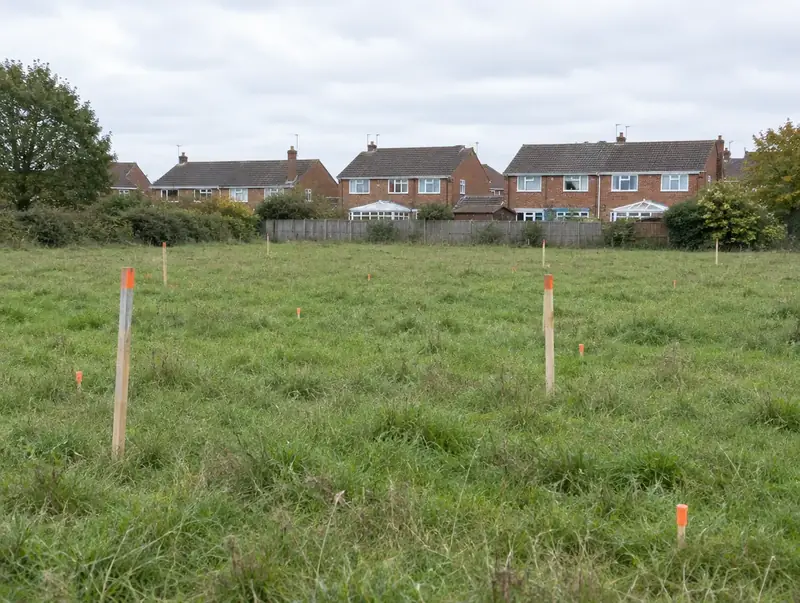
Residential development land
Around Liverpool, the residential land that tends to work is close to existing homes, shops and transport rather than out on its own. For owners who want to share in the value of the finished homes.
Learn more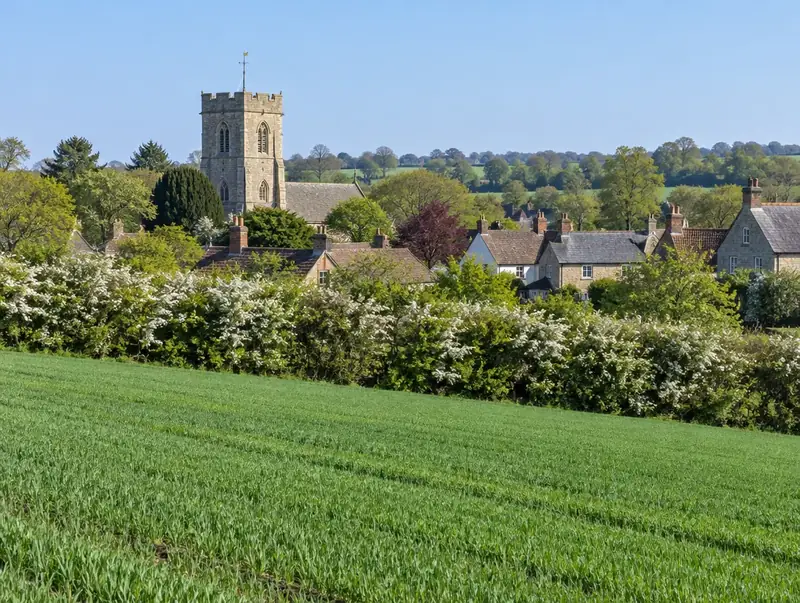 Wanted
Land without planning permission
For land on the edges of Liverpool with no consent yet, the first questions are access, flood risk and how the council's current plan treats the area. For owners who want a bigger share of the upside in return for more risk.
Learn more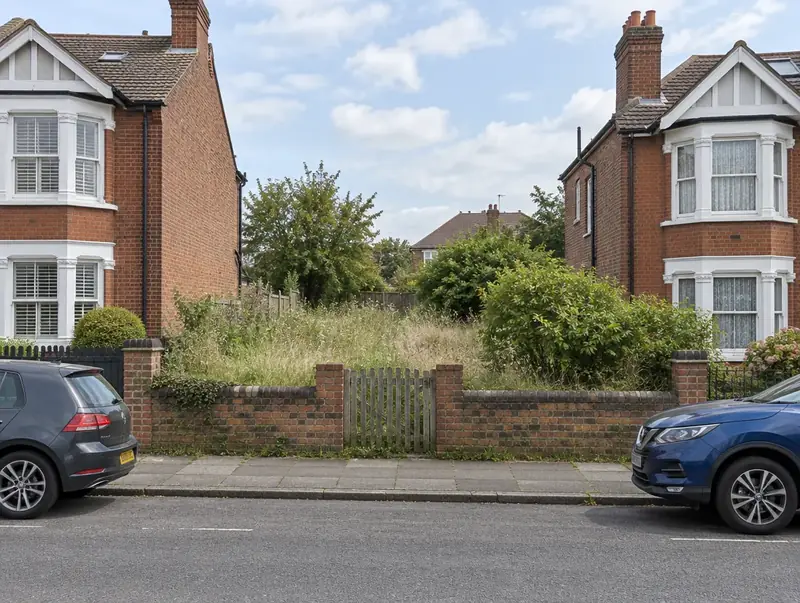 Wanted
Infill plots
Infill gaps in Liverpool's established streets can be among the easiest small sites to bring forward when the design respects the neighbours. Possible if you would like a share of the sale of the new home.
Learn more Wanted
Green Belt and grey belt land
If you own Green Belt land in Merseyside, its previous use and how enclosed it already is will shape whether a grey belt route exists. Possible for larger parcels where owners want to stay involved.
Learn more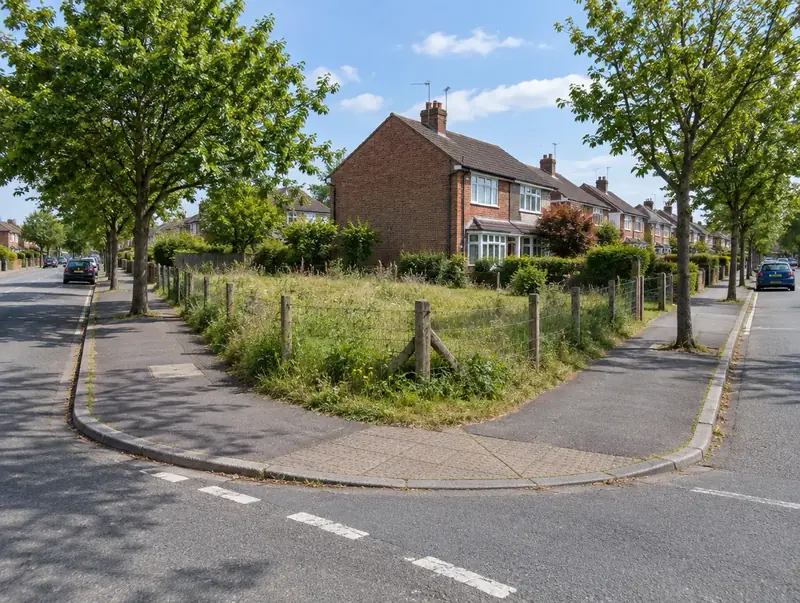 Wanted
Small sites
We want to hear about plots for a few homes anywhere around Liverpool, including ones a larger builder has already turned down. Possible if you want a share of the finished homes.
Learn more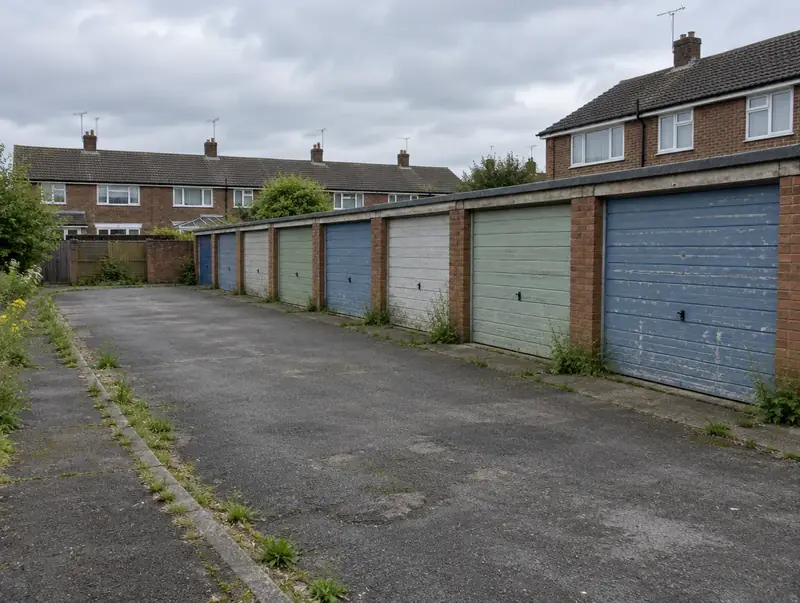 Wanted
Garage courts and yards
We are looking for garage blocks and small yards around Liverpool, whether they are fully let, partly let or empty. Possible for groups of courts.
Learn more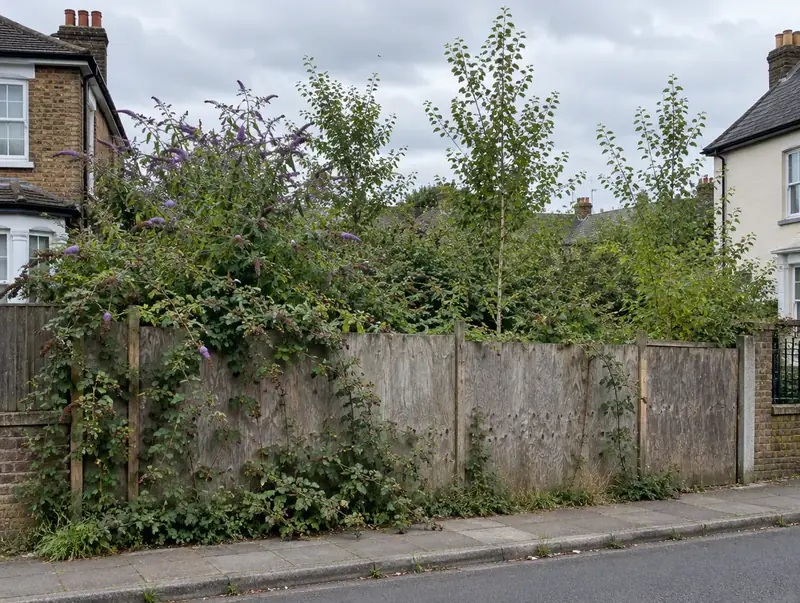 Wanted
Sites with lapsed or refused planning
Sites around Liverpool with an old refusal can be worth a second look, especially where local or national policy has since changed. Possible where owners want to share the upside of a better scheme.
Learn more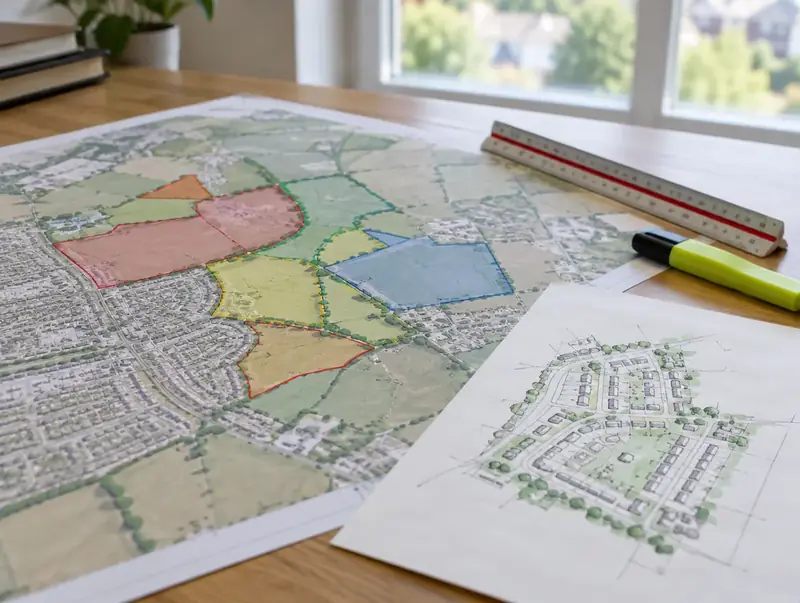 Wanted
Allocated and promoted land
Around Liverpool, allocated sites and land put forward to the council are usually the furthest along, so they can often move faster than land at an earlier stage. For owners of larger allocations who want to share in delivery.
Learn moreTowns we cover in Merseyside
Joint venture: questions
Do I need to put money in?
Not usually. In most landowner joint ventures the land is the owner's contribution and we fund the costs, which are recovered from the proceeds before profit is shared. Structures vary.
How are profits shared?
By agreement. Common models include a priority return for the land followed by a share of profit.
Is a joint venture right for me?
It suits owners comfortable with more risk and a longer timescale. We will say if a sale or option looks a better fit.
Do you use joint ventures for land in Merseyside?
Yes. We use joint ventures across Merseyside and the rest of England, where the structure suits the site and the owner.