
Joint venture for land in Dorset
You contribute the land, we fund and manage planning and delivery, and the proceeds are shared as agreed.
A landowner joint venture is a partnership where the owner contributes land and we fund and manage planning and delivery, with the proceeds shared on an agreed basis after agreed costs are recovered. It can unlock more value than a sale but involves more risk, longer timescales and closer involvement.
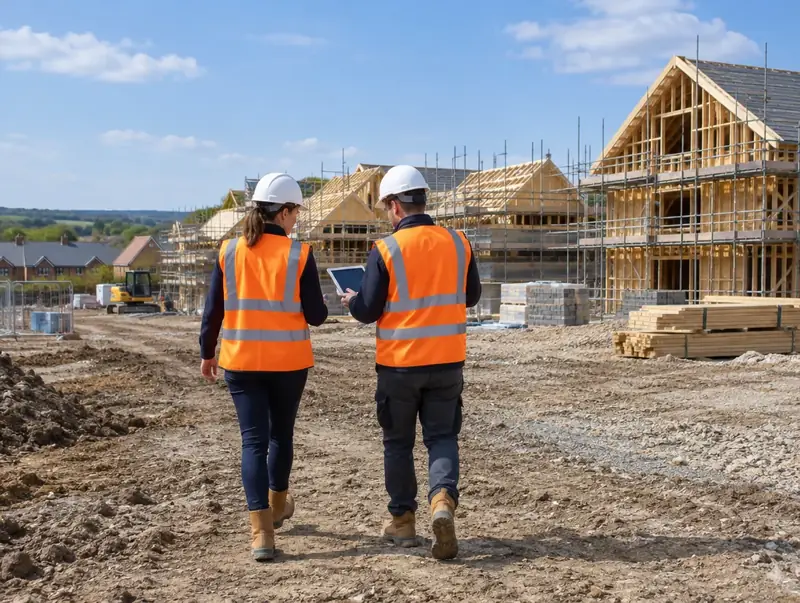
Joint venture for land in Dorset
Joint venture is one of four ways we buy land in Dorset. Dorset combines the Bournemouth, Christchurch and Poole conurbation with market towns such as Dorchester, Wimborne Minster and Ferndown and a large rural area. Green Belt surrounds the conurbation and extends inland, and the Dorset and Cranborne Chase National Landscapes cover much of the countryside. Typical sites include urban brownfield land, edge-of-town fields, farm buildings and infill plots in villages.
Heathland protection around the conurbation means many schemes contribute to mitigation for protected heaths, and Poole Harbour has been subject to nutrient neutrality advice. Weymouth, the wider coast and the river valleys add flood and coastal-change checks, while the A31 and A35 corridors link the main towns.
Where an English council cannot show a five-year supply of housing land, or its Housing Delivery Test result falls below 75%, the August 2026 NPPF can give policy support to suitable housing outside settlement boundaries.
English councils keep brownfield land registers, and some previously developed sites can be granted permission in principle, a quicker way of establishing whether housing is acceptable before technical details are settled.
Parts of Dorset are Green Belt, though not every town has any nearby. We check early whether a site is inside it and, if so, whether a grey belt or previously developed land case could apply.
Parts of Dorset fall within Dorset National Landscape and Cranborne Chase National Landscape. Protected landscapes carry strong policy protection, so land in or next to them needs particularly careful assessment.
In short: you contribute the land, we fund and manage planning and delivery, and the proceeds are shared as agreed. It usually suits owners of larger or well-located sites; landowners who want a long-term interest; sites where a sale would undervalue the long-term potential. See how a joint venture works for the full process, pros and cons.
Land in Dorset that often suits a joint venture
 Wanted
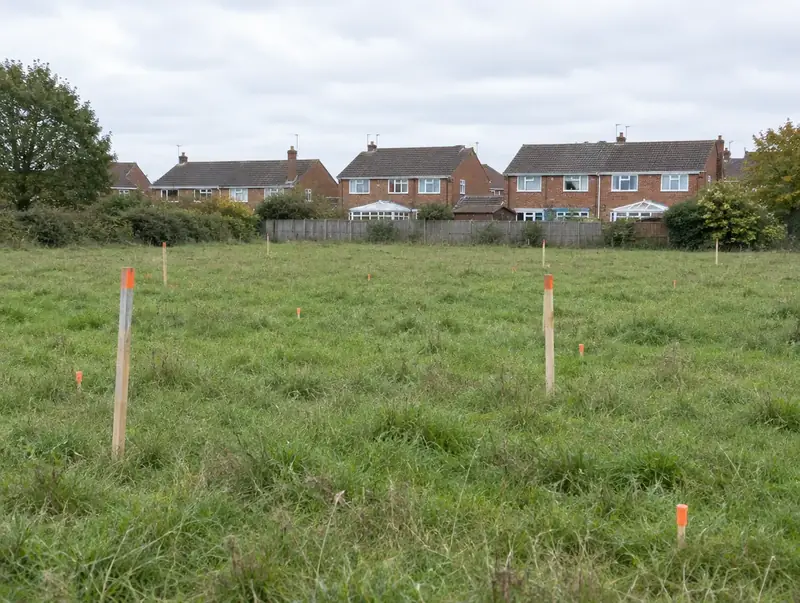
Residential development land
In and around Dorchester we are interested in land that sits naturally alongside existing streets, where new homes would read as part of the place. For owners who want to share in the value of the finished homes.
Learn more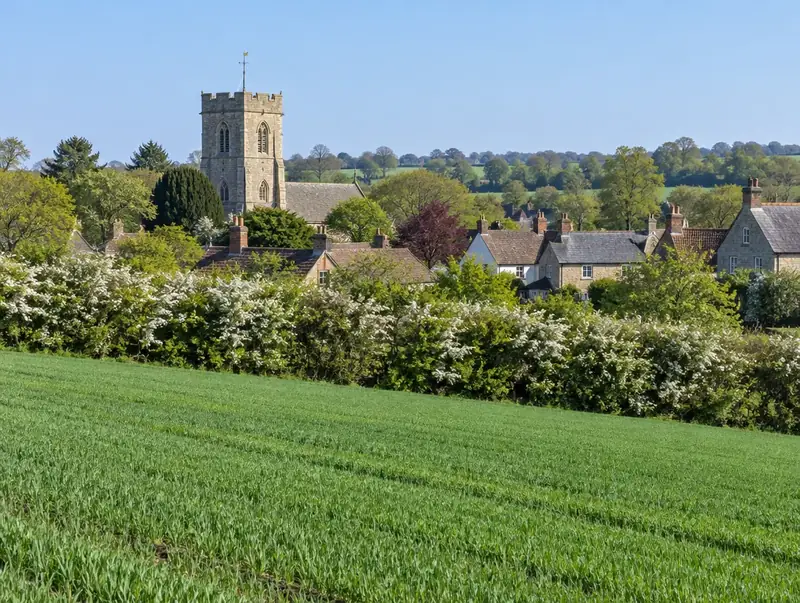 Wanted
Land without planning permission
For land on the edges of Dorchester with no consent yet, the first questions are access, flood risk and how the council's current plan treats the area. For owners who want a bigger share of the upside in return for more risk.
Learn more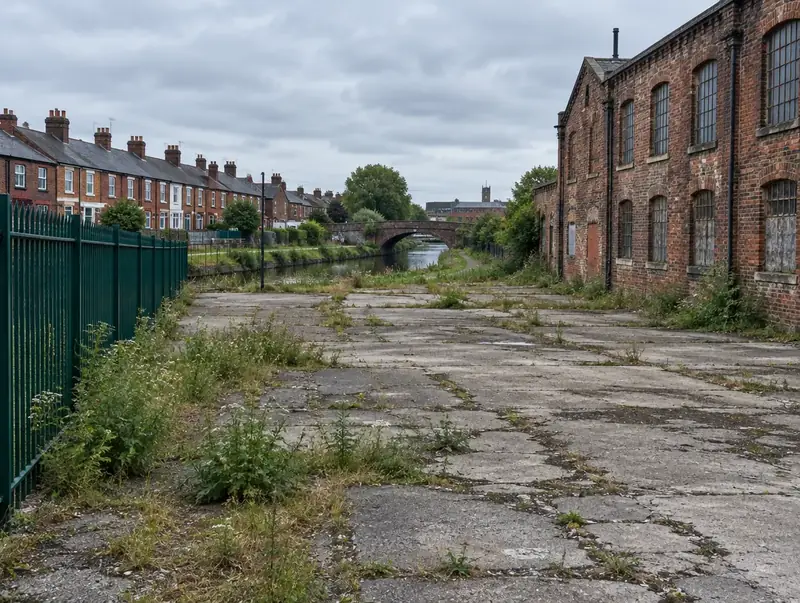 Wanted
Brownfield land
In Dorchester, the brownfield sites we look at are often tucked behind main roads or alongside older housing, close to services. Can work where the owner wants to share in a redevelopment.
Learn more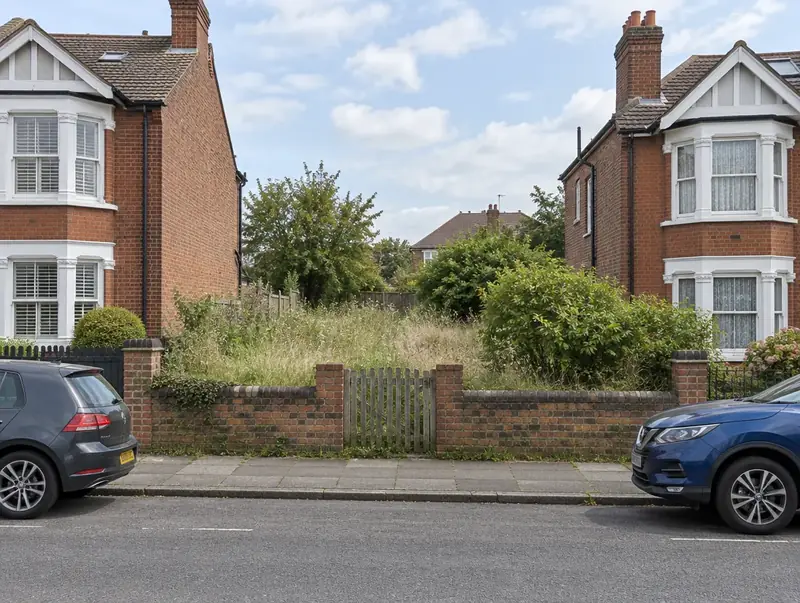 Wanted
Infill plots
Infill gaps in Dorchester's established streets can be among the easiest small sites to bring forward when the design respects the neighbours. Possible if you would like a share of the sale of the new home.
Learn more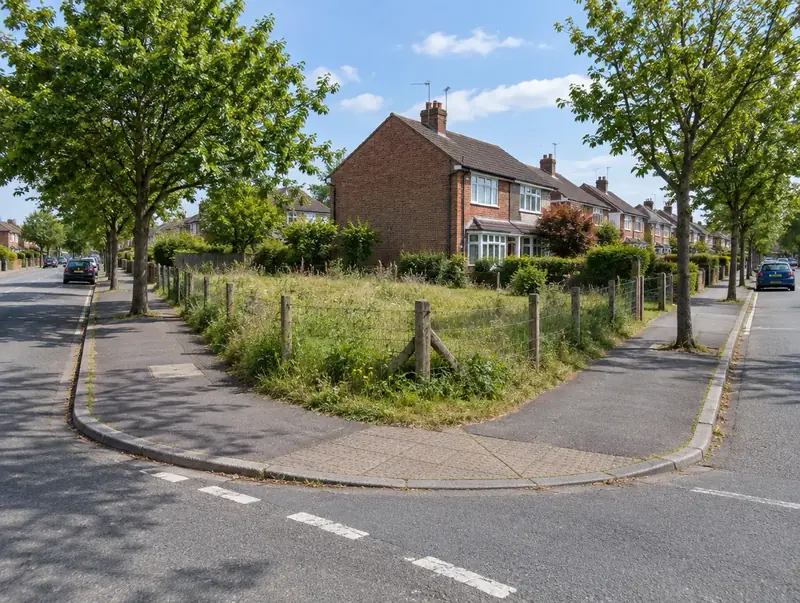 Wanted
Small sites
In Dorchester, small sites are often the leftover pieces: a side garden, an old garage block or a gap where a building once stood. Possible if you want a share of the finished homes.
Learn more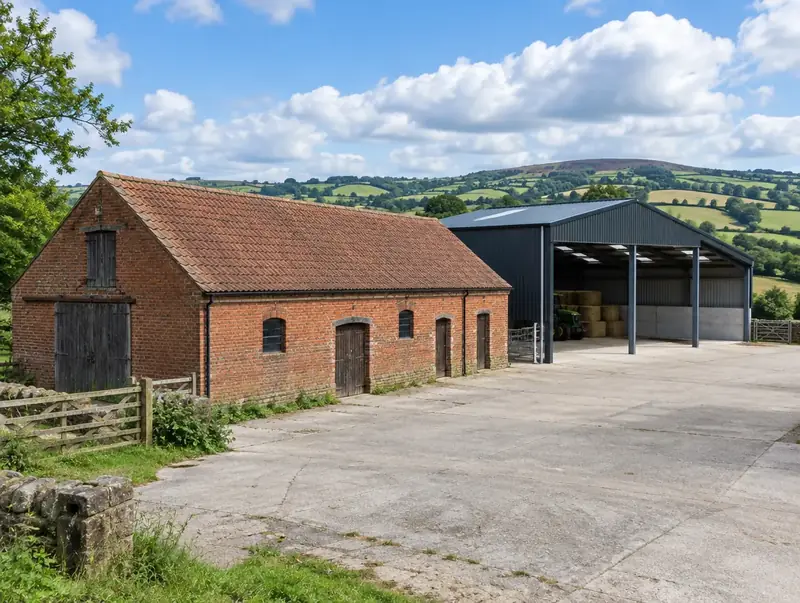 Wanted
Barns and rural buildings
Farm buildings near Dorchester that have fallen out of use may suit conversion, particularly traditional barns with a good access. Possible for larger farmyards.
Learn more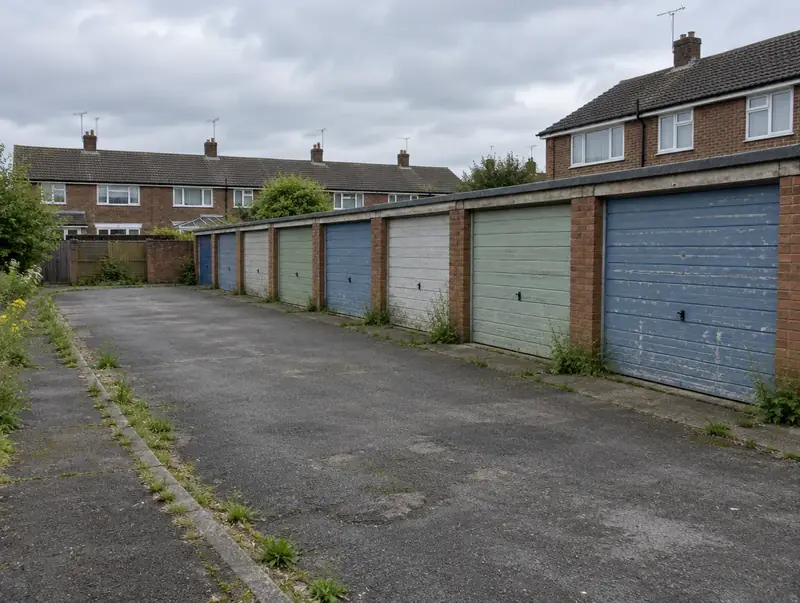 Wanted
Garage courts and yards
We are looking for garage blocks and small yards around Dorchester, whether they are fully let, partly let or empty. Possible for groups of courts.
Learn more Wanted
Allocated and promoted land
Around Dorchester, allocated sites and land put forward to the council are usually the furthest along, so they can often move faster than land at an earlier stage. For owners of larger allocations who want to share in delivery.
Learn moreTowns we cover in Dorset
Joint venture: questions
Do I need to put money in?
Not usually. In most landowner joint ventures the land is the owner's contribution and we fund the costs, which are recovered from the proceeds before profit is shared. Structures vary.
How are profits shared?
By agreement. Common models include a priority return for the land followed by a share of profit.
What if the venture does not get planning?
The agreement sets out what happens. In a simple contractual joint venture the land usually stays yours, but company or partnership structures, or a lender's charge, can change that, so take advice on the structure.
Do you use joint ventures for land in Dorset?
Yes. We use joint ventures across Dorset and the rest of England, where the structure suits the site and the owner.