
Joint venture for land in Rutland
You contribute the land, we fund and manage planning and delivery, and the proceeds are shared as agreed.
A landowner joint venture is a partnership where the owner contributes land and we fund and manage planning and delivery, with the proceeds shared on an agreed basis after agreed costs are recovered. It can unlock more value than a sale but involves more risk, longer timescales and closer involvement.
Joint venture for land in Rutland
Joint venture is one of four ways we buy land in Rutland. Rutland is a small rural county centred on the market towns of Oakham and Uppingham, with many villages around Rutland Water. There is no Green Belt and no National Landscape, but conservation areas, listed buildings and the protected habitats of Rutland Water are frequent considerations. Housing land typically comes forward as small edge-of-village fields, infill plots, farm buildings and occasional former military or commercial land.
Most new homes are planned in Oakham and Uppingham, with limited growth in the larger villages. Rutland Water is internationally protected for birds, and the rural road network and the rail line through Oakham shape which locations are seen as sustainable.
In England, the revised National Planning Policy Framework published on 17 August 2026 replaced the old "tilted balance" with new settlement policies: development within a settlement should normally be approved unless the harm substantially outweighs the benefits, while land outside a settlement can gain support in defined circumstances.
English councils keep brownfield land registers, and some previously developed sites can be granted permission in principle, a quicker way of establishing whether housing is acceptable before technical details are settled.
Rutland has no designated Green Belt, so the main policy questions near Oakham are usually the settlement boundary, landscape and access.
In short: you contribute the land, we fund and manage planning and delivery, and the proceeds are shared as agreed. It usually suits owners of larger or well-located sites; landowners who want a long-term interest; sites where a sale would undervalue the long-term potential. See how a joint venture works for the full process, pros and cons.
Land in Rutland that often suits a joint venture
 Wanted
Residential development land
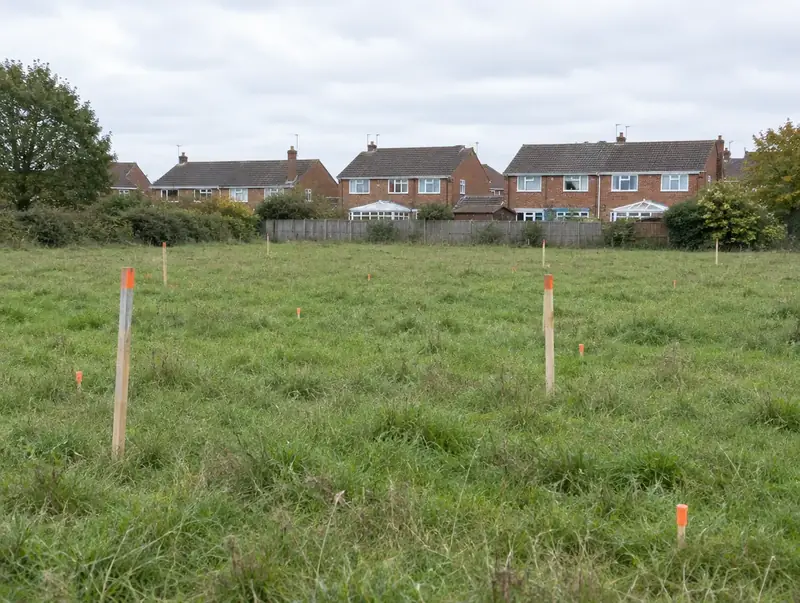
In and around Oakham we are interested in land that sits naturally alongside existing streets, where new homes would read as part of the place. For owners who want to share in the value of the finished homes.
Learn more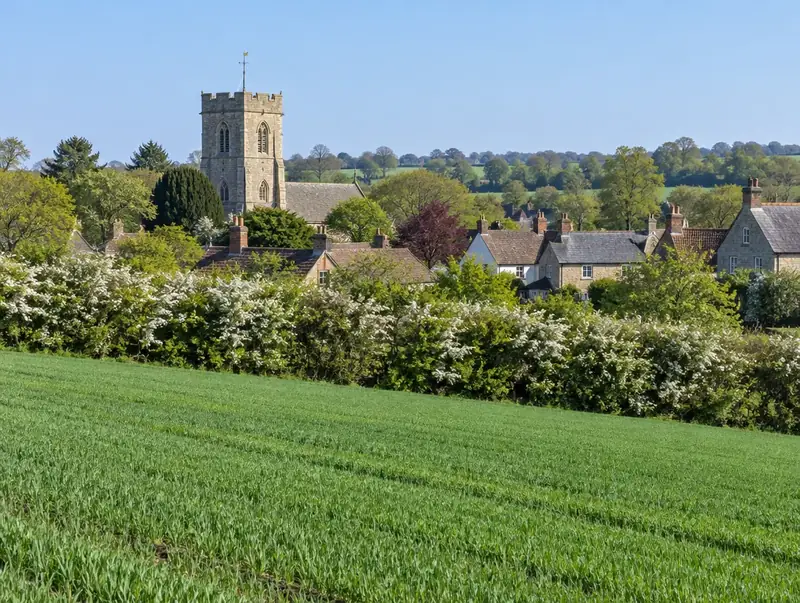 Wanted
Land without planning permission
For land on the edges of Oakham with no consent yet, the first questions are access, flood risk and how the council's current plan treats the area. For owners who want a bigger share of the upside in return for more risk.
Learn more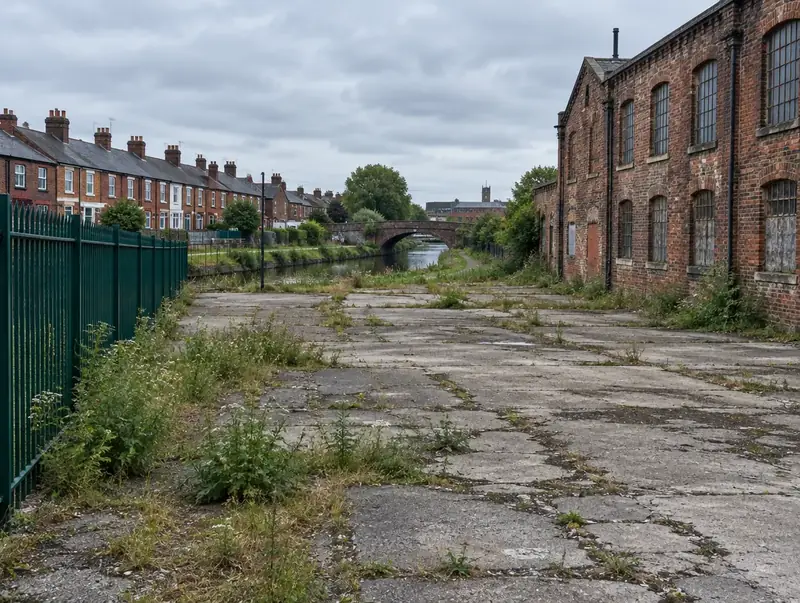 Wanted
Brownfield land
Brownfield land in Oakham tends to be well located for homes; the questions are usually about contamination, demolition and neighbours. Can work where the owner wants to share in a redevelopment.
Learn more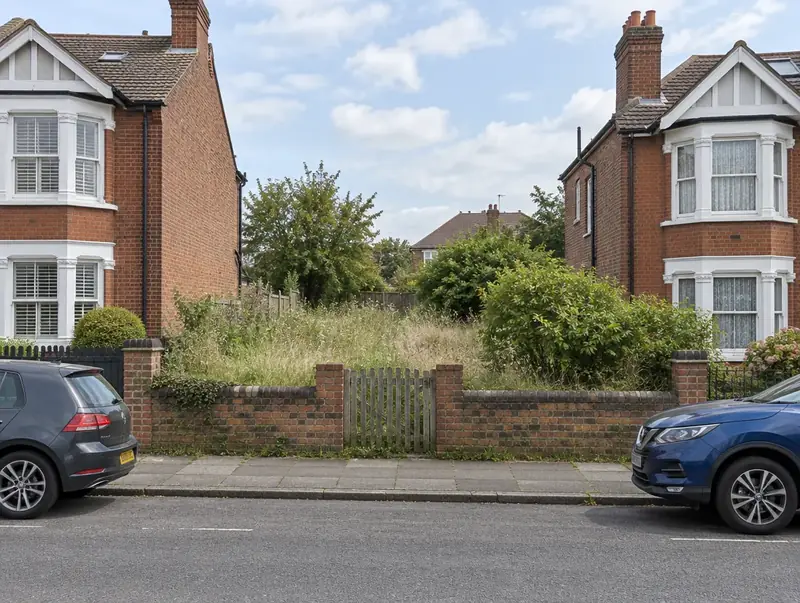 Wanted
Infill plots
Around Oakham, infill plots are often side gardens or gaps left between older houses; the street's character usually sets the design. Possible if you would like a share of the sale of the new home.
Learn more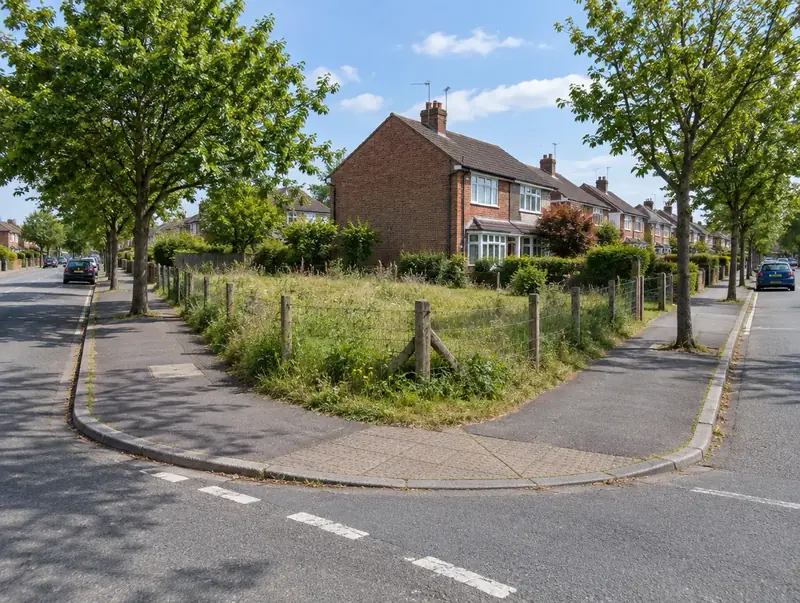 Wanted
Small sites
In Oakham, small sites are often the leftover pieces: a side garden, an old garage block or a gap where a building once stood. Possible if you want a share of the finished homes.
Learn more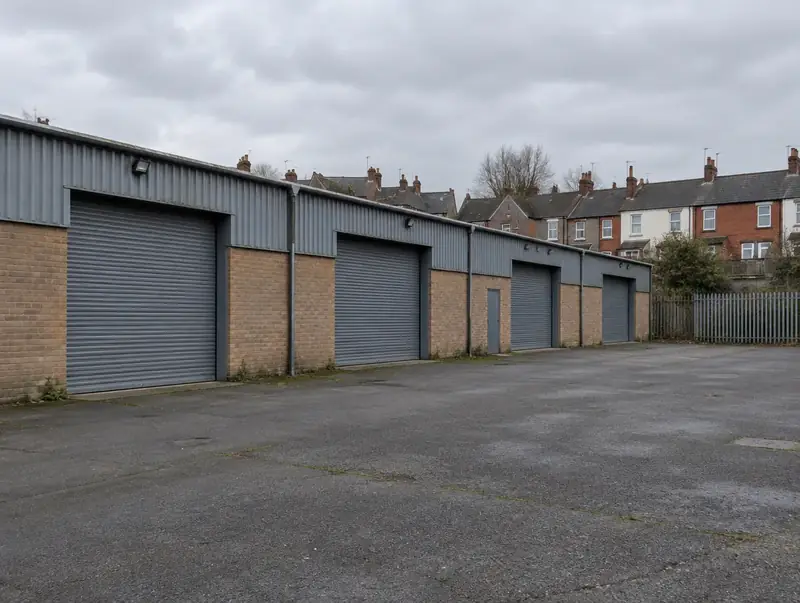 Wanted
Commercial and industrial sites
We look at yards and units across Oakham where the business use has run its course or the site sits awkwardly among houses. Can suit owners who want to share in a redevelopment.
Learn more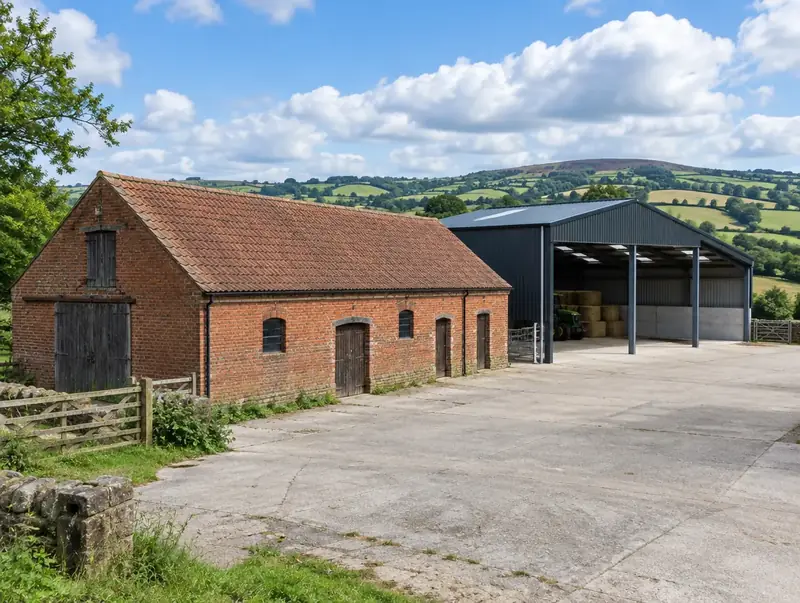 Wanted
Barns and rural buildings
In the countryside around Oakham, redundant barns and yards can sometimes become homes, depending on the building and the route available. Possible for larger farmyards.
Learn more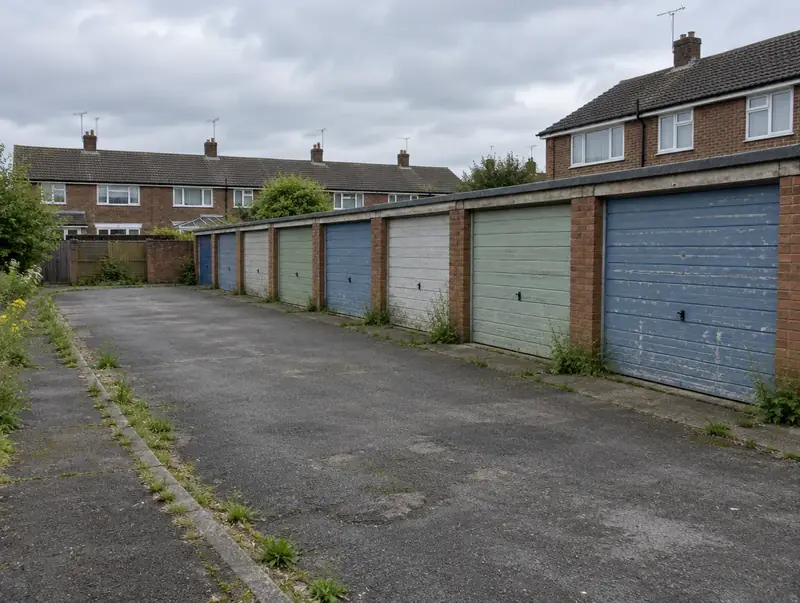 Wanted
Garage courts and yards
Garage courts tucked behind homes in Oakham are often ideal for a small number of new houses or bungalows. Possible for groups of courts.
Learn moreTowns we cover in Rutland
Joint venture: questions
How are profits shared?
By agreement. Common models include a priority return for the land followed by a share of profit.
What if the venture does not get planning?
The agreement sets out what happens. In a simple contractual joint venture the land usually stays yours, but company or partnership structures, or a lender's charge, can change that, so take advice on the structure.
Is a joint venture right for me?
It suits owners comfortable with more risk and a longer timescale. We will say if a sale or option looks a better fit.
Do you use joint ventures for land in Rutland?
Yes. We use joint ventures across Rutland and the rest of England, where the structure suits the site and the owner.