
Subject-to-planning contract: how it works
We agree a price now and complete once a satisfactory planning permission is granted.
A subject-to-planning (conditional) contract is a sale agreed now that only completes once planning permission is granted on terms both sides have defined. We normally pay for the application, and if permission is not obtained the contract can end and the landowner keeps the land.
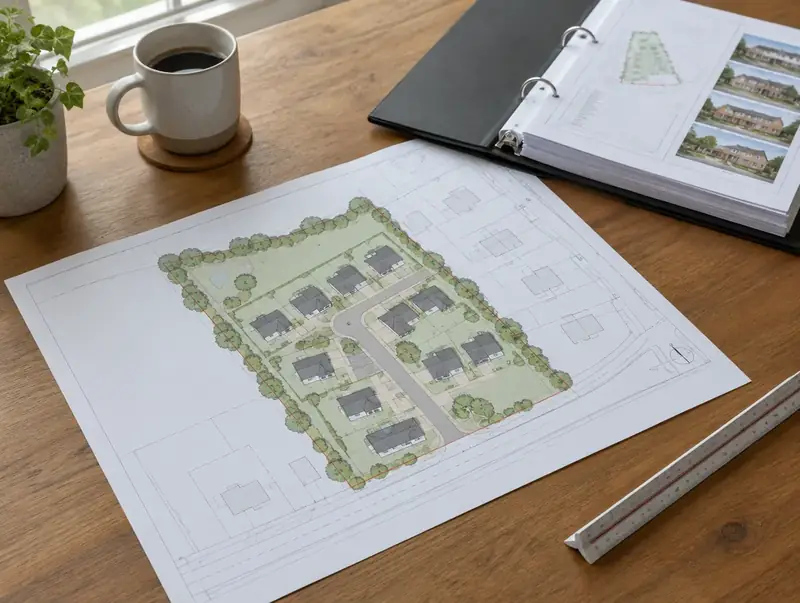
How does a subject-to-planning contract work?
Agree terms
We agree a price (fixed, or linked to the permission obtained), the scheme we will apply for and the time we have.
Exchange conditional contracts
Contracts are exchanged with a planning condition and a longstop date.
We apply for planning
We prepare and submit the application, funding the reports and fees.
Completion
Once a satisfactory permission is granted and any challenge period has passed, the sale completes.
Is it right for you?
What you gain
- A price that reflects the value with planning
- We usually pay for the planning application (any cost recovery is set out in the heads of terms)
- You keep the land if planning fails
- Clear timescale through the longstop date
What to weigh up
- You are tied in while the application runs
- Planning outcomes are never guaranteed
- The definition of a "satisfactory" permission needs careful drafting
Usually suits
- Land without planning that has a realistic route
- Infill, garden and small sites
- Owners who want a value linked to planning without funding it
Every site is different. Take independent legal, valuation and tax advice before agreeing terms; we are happy to work with your advisers.
Land this route often suits
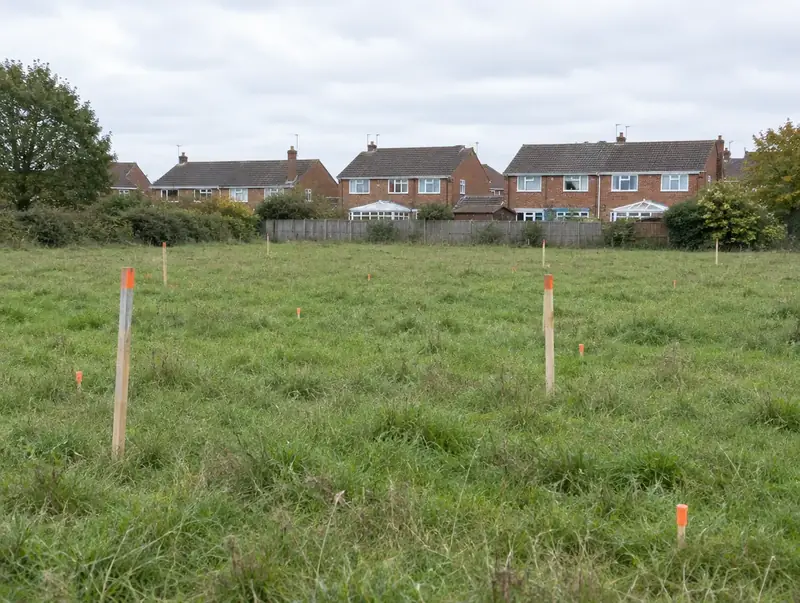 Wanted
Residential development land
Land that could take new homes, from a handful of plots to whole neighbourhoods.
Learn more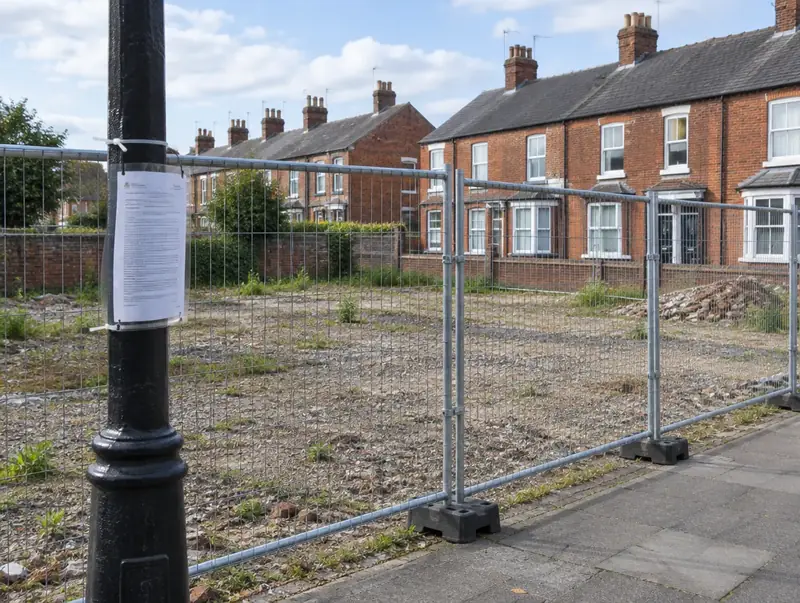 Wanted
Land with planning permission
Sites with outline or full permission for homes, including permissions close to expiry.
Learn more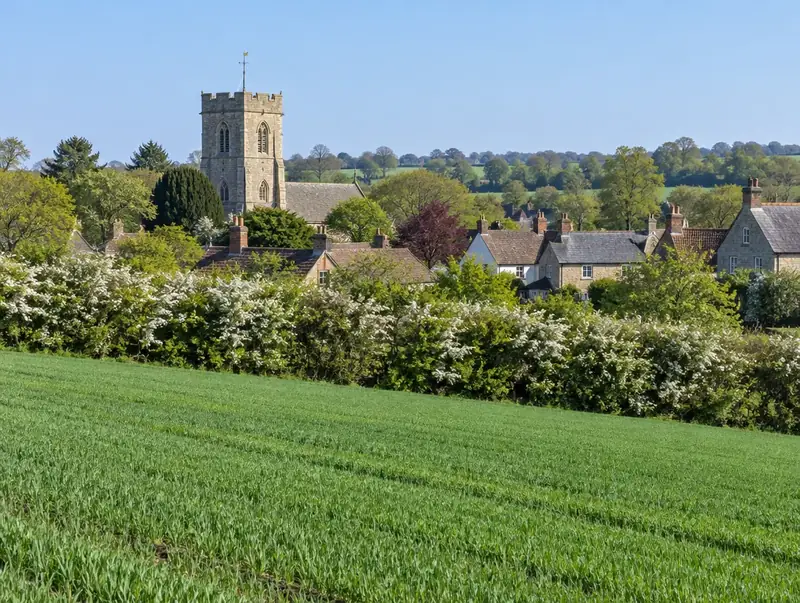 Wanted
Land without planning permission
Fields, plots and sites with no consent yet but a realistic route to one.
Learn more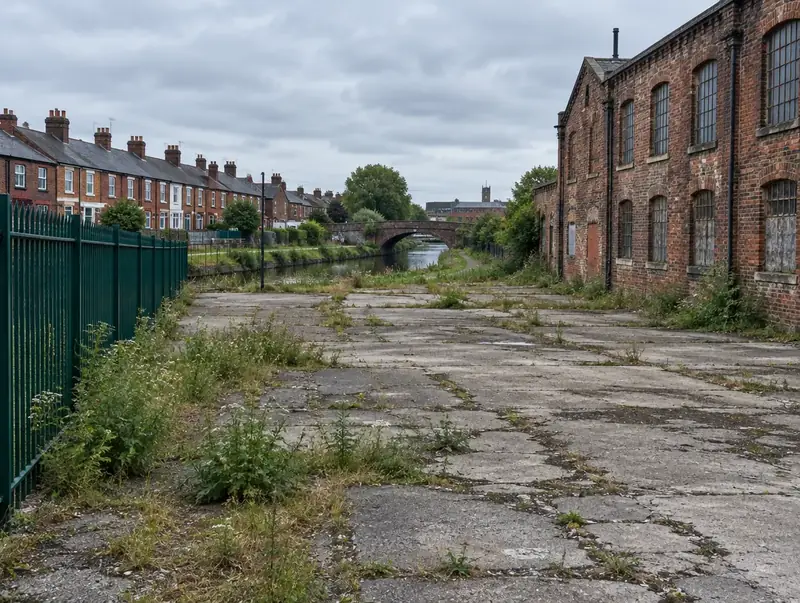 Wanted
Brownfield land
Previously developed sites: former yards, depots, works and cleared plots.
Learn more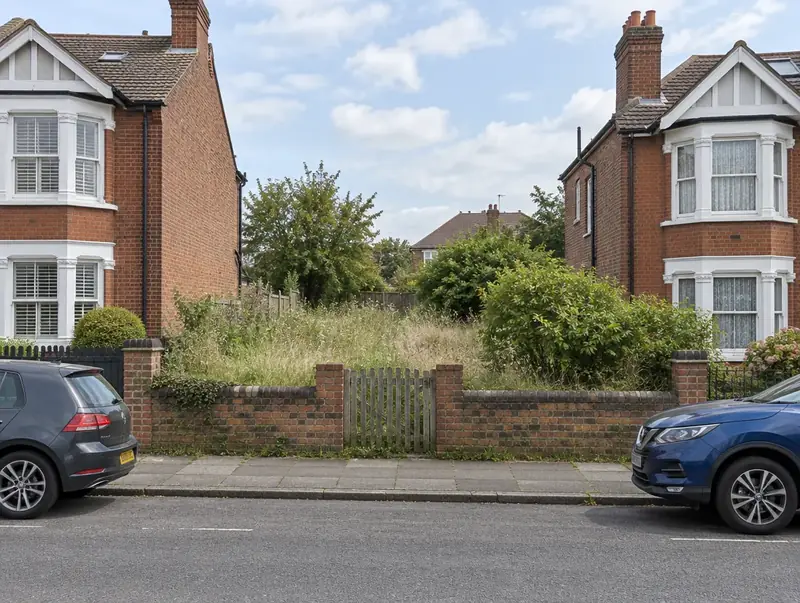 Wanted
Infill plots
Gaps between existing buildings on established streets.
Learn more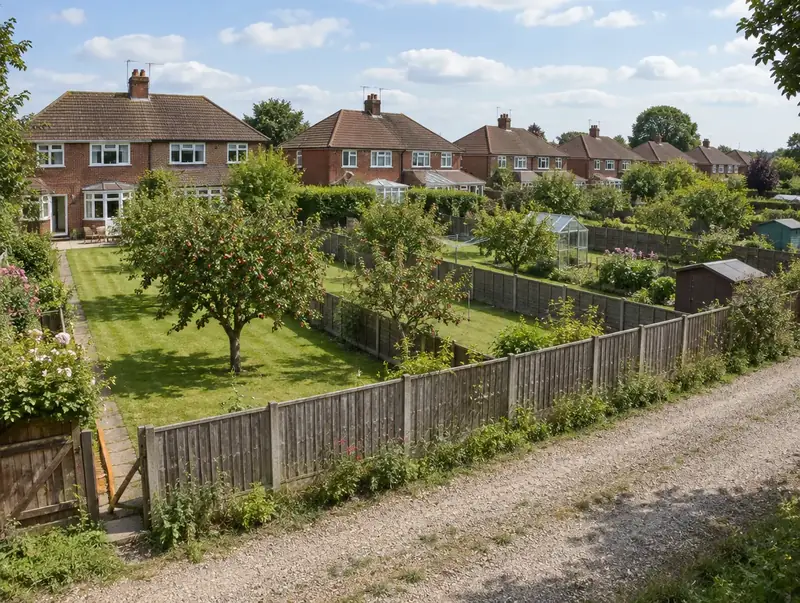 Wanted
Garden and backland plots
Large rear gardens and land behind existing homes with a workable access.
Learn more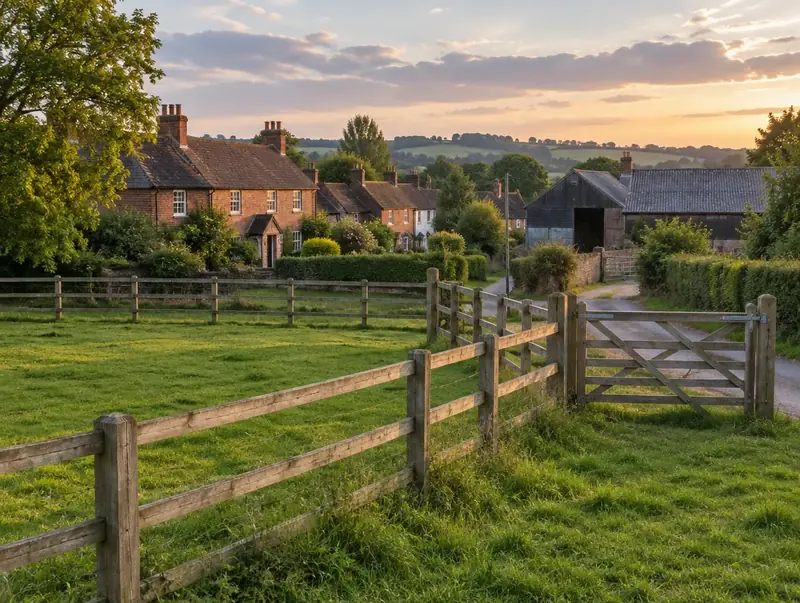 Wanted
Farmland and paddocks
Fields and paddocks next to towns and villages, with or without tenants.
Learn more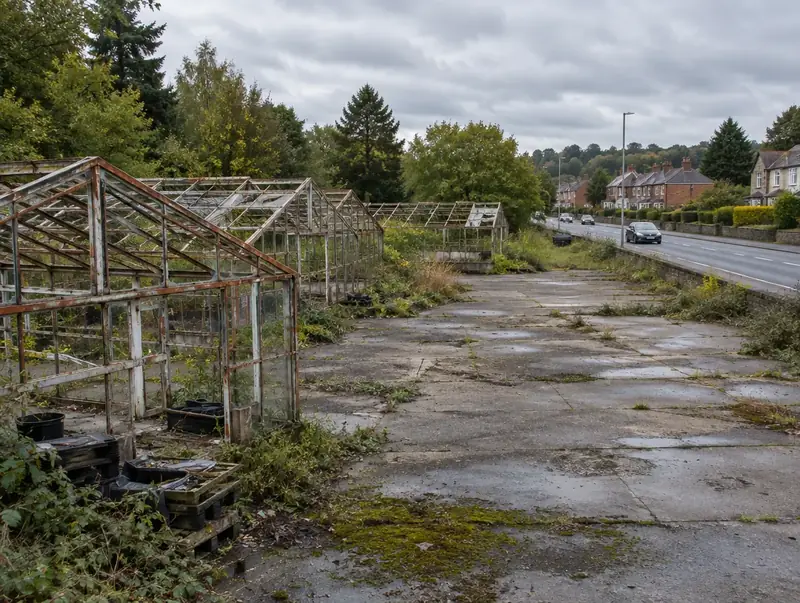 Wanted
Green Belt and grey belt land
Land in England's Green Belt that may qualify as grey belt under national policy.
Learn moreSubject-to-planning contract by area
- Bedfordshire
- Berkshire
- Bristol
- Buckinghamshire
- Cambridgeshire
- Cheshire
- Cornwall
- County Durham
- Cumbria
- Derbyshire
- Devon
- Dorset
- The East Riding of Yorkshire
- East Sussex
- Essex
- Gloucestershire
- Greater London
- Greater Manchester
- Hampshire
- Herefordshire
- Hertfordshire
- The Isle of Wight
- Kent
- Lancashire
- Leicestershire
- Lincolnshire
- Merseyside
- Norfolk
- North Yorkshire
- Northamptonshire
- Northumberland
- Nottinghamshire
- Oxfordshire
- Rutland
- Shropshire
- Somerset
- South Yorkshire
- Staffordshire
- Suffolk
- Surrey
- Tyne and Wear
- Warwickshire
- The West Midlands
- West Sussex
- West Yorkshire
- Wiltshire
- Worcestershire
- Clwyd
- Dyfed
- Gwent
- Gwynedd
- Mid Glamorgan
- Powys
- South Glamorgan
- West Glamorgan
Subject-to-planning contract: questions
What counts as a satisfactory permission?
The contract defines it: usually the number and type of homes, acceptable conditions and planning obligations, and the end of the judicial review period.
What happens if planning is refused?
The contract normally lets us appeal, re-apply or withdraw within set timescales. If it ends, you keep your land.
Is there a deposit?
Sometimes a modest deposit is paid on exchange; terms vary by site and are set out in the heads of terms.
Can I keep using the land meanwhile?
Yes, usually, until completion.