
Barns and rural buildings wanted in Cambridgeshire
Looking to sell barns and rural buildings near Cambridgeshire? We assess every site on its merits and explain the options in plain English.
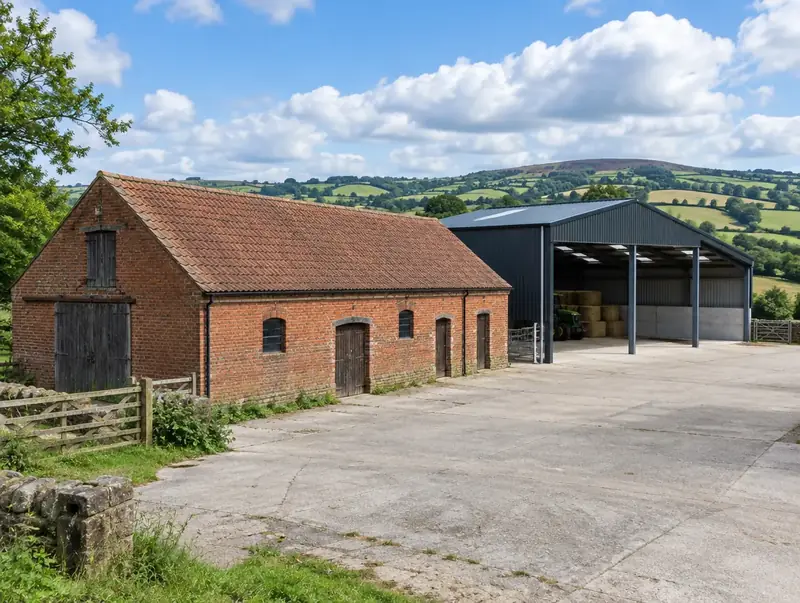
If you have farm buildings that are no longer needed, they may be suited to homes. We look at traditional and modern barns, stables and rural yards across England and Wales and explain the realistic planning route for each.
- Size
- Single barns to farmyards
- Planning
- With or without
- Areas
- England & Wales
- Ways we buy
- Outright or conditional
Is your land in Cambridgeshire the kind we want?
Cambridgeshire combines the fast-growing Cambridge area and Peterborough with Fenland market towns such as Wisbech, March and Ely and the towns of St Neots, Huntingdon and St Ives. A Green Belt surrounds Cambridge, while much of the north lies in the low-lying Fens, where flood zone status is often the deciding factor. Typical sites include edge-of-village land, former agricultural yards and larger strategic land promoted for new communities.
- Traditional brick or stone barns
- Modern agricultural buildings that may suit Class Q (England)
- Farmyards with several buildings
- Buildings with or without an existing consent
Water supply and wastewater capacity have been recurring issues for growth around Cambridge, and Fenland sites usually need careful flood risk evidence. Away from the city, small sites on the edges of villages and market towns along the A14, A10 and A1 corridors are a common source of new housing land.
Before we make an offer in Cambridgeshire
Planning route
In England, Class Q prior approval may apply to agricultural buildings; in Wales, a full application is usually needed.
Structure
Conversion routes usually require the building to be capable of conversion without substantial rebuilding.
Access and services
Rural buildings often need new access, drainage and power.
The August 2026 NPPF supports homes within reasonable walking distance (around 800 metres) of well-connected railway stations, with minimum densities of 35 homes per hectare, or 45 near higher-frequency stations.
The Planning and Infrastructure Act 2025 introduced Environmental Delivery Plans and a Nature Restoration Levy in England, which over time may offer an alternative to site-by-site mitigation for some environmental issues.
Barns and rural buildings wanted in towns across Cambridgeshire
Choosing how to sell
Subject-to-planning contract
Common: we seek consent or prior approval and complete if successful.
Subject-to-planning contractFrom first call to completion
Send the basics
A postcode or plan and a few lines about the land are enough to start.
We do the homework
We check planning history, policy, flood maps and access at no cost to you.
We explain the options
You get a written proposal covering price, structure and timing.
Agree and proceed
Once you are happy, solicitors are instructed and the deal moves forward.
Frequently asked in Cambridgeshire
We still use some of the buildings. Can we sell just part of the yard?
Yes. We can look at selling some buildings and keeping others, with access and boundaries agreed.
Do bats stop a barn conversion?
Not usually, but surveys and mitigation are needed, and survey seasons can affect timing.
Do you buy barns and rural buildings in Cambridgeshire?
Yes. We buy barns and rural buildings in Cambridgeshire and throughout Cambridgeshire, as well as elsewhere in England and Wales. Tell us where the land is and we will give you a free appraisal.
Do I need to pay anything to have land in Cambridgeshire assessed?
No. Our appraisal is free and there is no obligation to sell to us.