
Option agreement for land in Cambridgeshire
You grant us the right to buy within a set period, usually for an option premium, while we pursue planning.
An option agreement gives us the right, but not the obligation, to buy land within an agreed period, usually once planning is secured. The landowner is usually paid an option premium on signing and keeps the land meanwhile. On option agreements we pay the landowner's reasonable legal costs, with a cap agreed in the heads of terms.
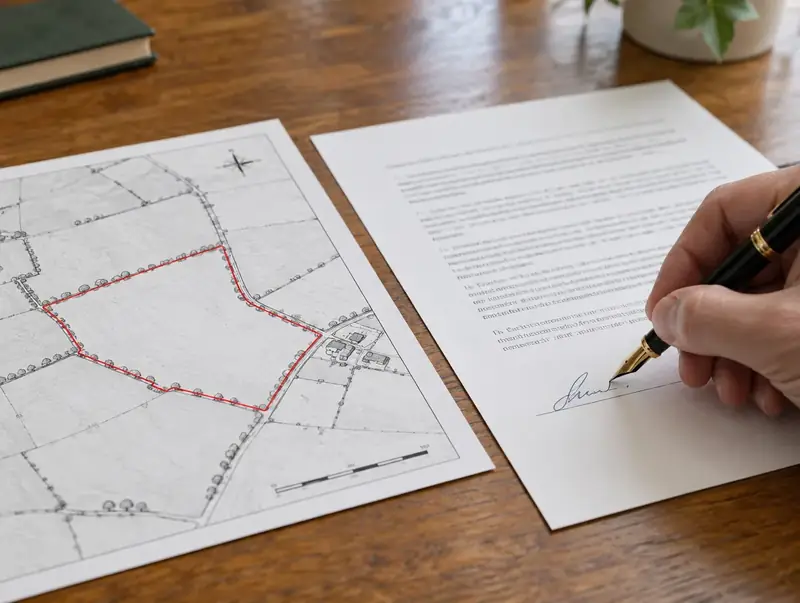
Option agreement for land in Cambridgeshire
Considering an option agreement for land in Cambridgeshire? Here is how it works and where it fits. Cambridgeshire combines the fast-growing Cambridge area and Peterborough with Fenland market towns such as Wisbech, March and Ely and the towns of St Neots, Huntingdon and St Ives. A Green Belt surrounds Cambridge, while much of the north lies in the low-lying Fens, where flood zone status is often the deciding factor. Typical sites include edge-of-village land, former agricultural yards and larger strategic land promoted for new communities.
Water supply and wastewater capacity have been recurring issues for growth around Cambridge, and Fenland sites usually need careful flood risk evidence. Away from the city, small sites on the edges of villages and market towns along the A14, A10 and A1 corridors are a common source of new housing land.
Where an English council cannot show a five-year supply of housing land, or its Housing Delivery Test result falls below 75%, the August 2026 NPPF can give policy support to suitable housing outside settlement boundaries.
English councils keep brownfield land registers, and some previously developed sites can be granted permission in principle, a quicker way of establishing whether housing is acceptable before technical details are settled.
Parts of Cambridgeshire are Green Belt, though not every town has any nearby. We check early whether a site is inside it and, if so, whether a grey belt or previously developed land case could apply.
In short: you grant us the right to buy within a set period, usually for an option premium, while we pursue planning. It usually suits farmland and larger edge-of-settlement sites; strategic land needing local plan promotion; owners happy to wait for a better price. See how an option agreement works for the full process, pros and cons.
Land in Cambridgeshire that often suits an option agreement
 Wanted
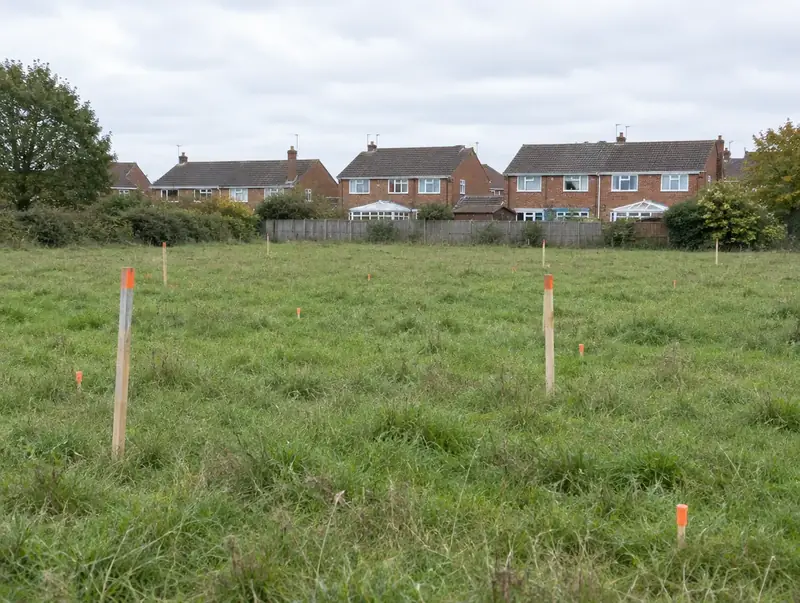
Residential development land
Around Cambridge, the residential land that tends to work is close to existing homes, shops and transport rather than out on its own. Suits larger or longer-term land where planning may take several years.
Learn more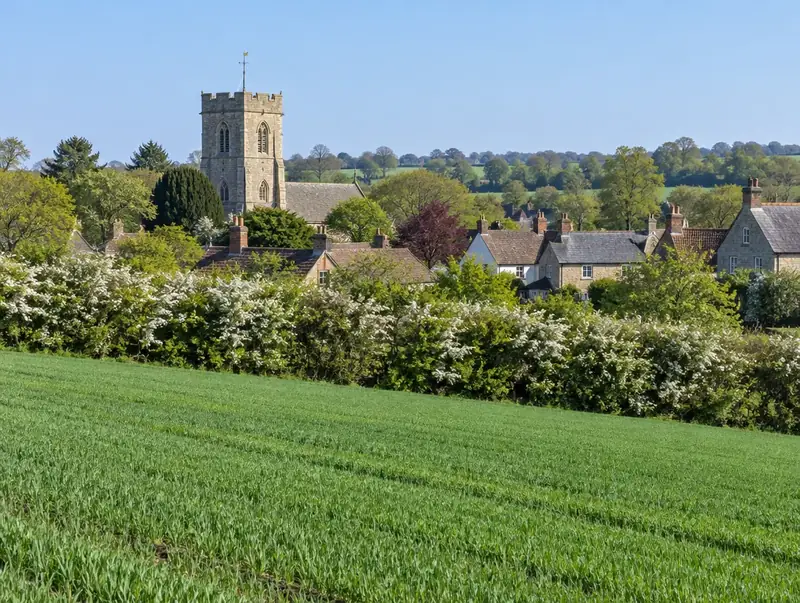 Wanted
Land without planning permission
Plenty of land around Cambridge has never had permission. What we look for first is whether new homes would fit with the existing pattern of the place. Suits bigger sites or longer timescales; you are paid a premium and keep the land meanwhile.
Learn more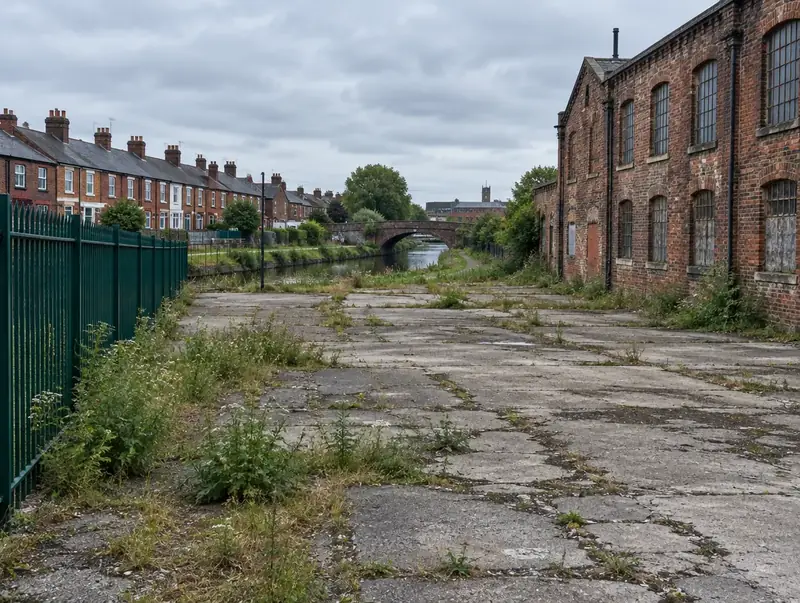 Wanted
Brownfield land
Former works, depots and yards in and around Cambridge can make good housing sites once the ground and neighbouring uses are understood. Less common, but possible on larger regeneration land.
Learn more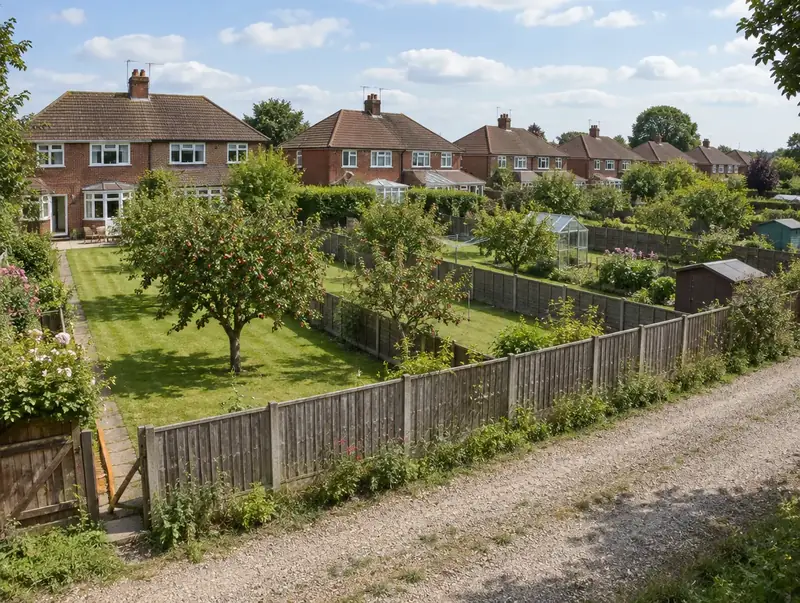 Wanted
Garden and backland plots
Backland development in Cambridge turns on access and privacy; we look at both before suggesting whether an application is worth making. Helpful where several gardens are being combined over time.
Learn more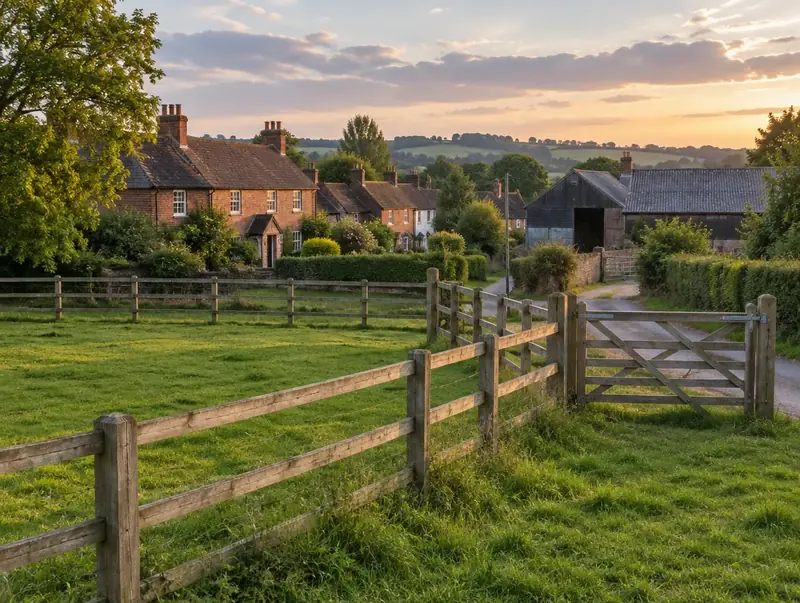 Wanted
Farmland and paddocks
Fields that wrap around the edges of Cambridge and its neighbouring villages are the farmland we most want to talk about. The usual route for larger farmland: you keep farming and we promote the land.
Learn more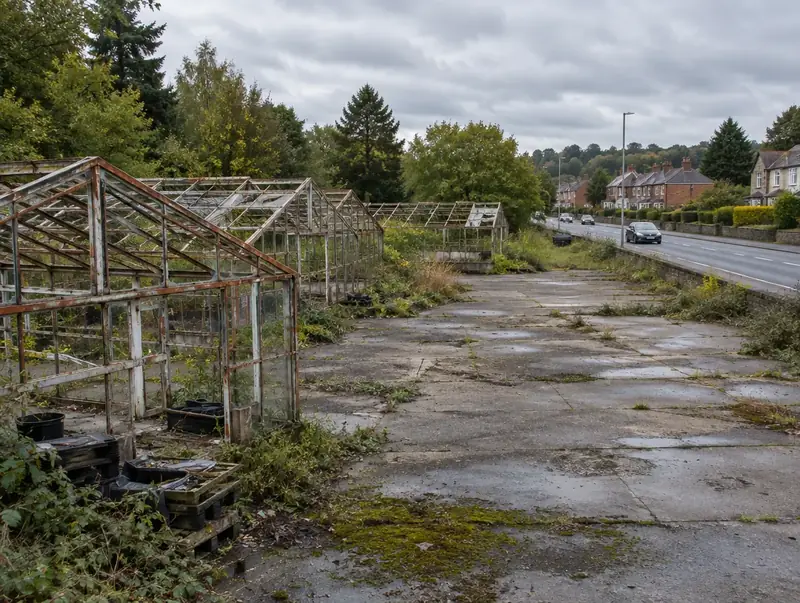 Wanted
Green Belt and grey belt land
Where Green Belt land in Cambridgeshire is already hemmed in by roads or existing homes, a grey belt case may be worth testing. The common route: promoting Green Belt land can take time.
Learn more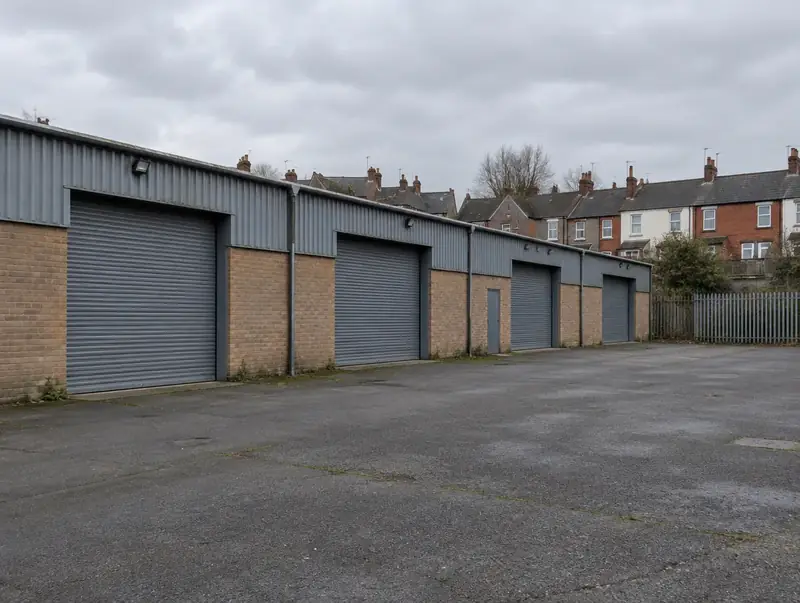 Wanted
Commercial and industrial sites
In Cambridge, industrial land that has drifted out of use can often be reimagined as homes, subject to the council's view on employment land. Possible for larger estates being phased out.
Learn more Wanted
Sites with lapsed or refused planning
Sites around Cambridge with an old refusal can be worth a second look, especially where local or national policy has since changed. Suits larger sites needing a longer route.
Learn moreTowns we cover in Cambridgeshire
Option agreement: questions
How long do options last?
It varies with the site and the planning route, from a few years for smaller sites to longer for strategic land. Extension terms are often included.
Do you really pay my legal costs?
On option agreements we pay the landowner's reasonable legal costs, up to a cap that we agree in the heads of terms.
What if you never exercise the option?
At the end of the option period the land is released, you normally keep the premium, and we remove our notice from your title.
Do you use option agreements for land in Cambridgeshire?
Yes. We use option agreements across Cambridgeshire and the rest of England, where the structure suits the site and the owner.