
Barns and rural buildings wanted in Cambridge
Looking to sell barns and rural buildings near Cambridge? We assess every site on its merits and explain the options in plain English.
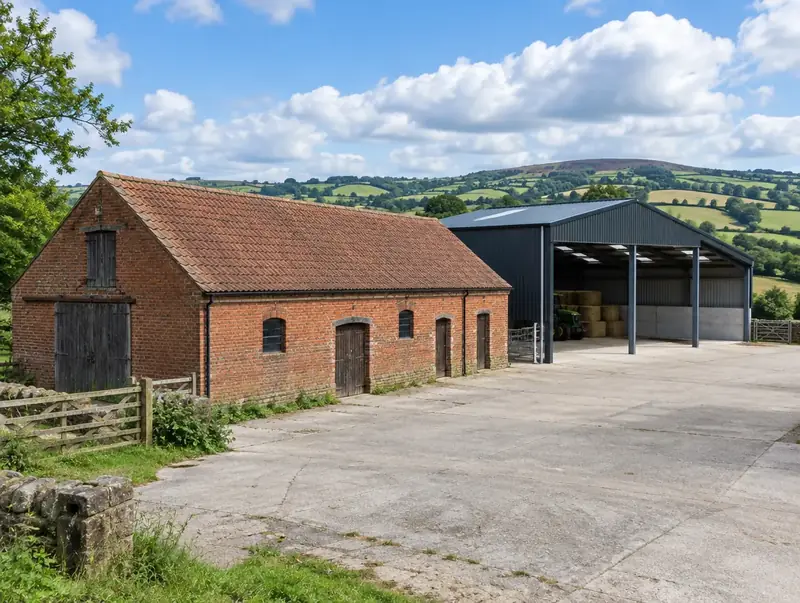
A redundant barn, stable block or yard can have residential potential. Traditional buildings often suit conversion, while modern steel barns may qualify for permitted development in England. We assess the building, access and planning route before proposing a deal.
- Size
- Single barns to farmyards
- Planning
- With or without
- Areas
- England & Wales
- Ways we buy
- Outright or conditional
Is your land in Cambridge the kind we want?
Farm buildings near Cambridge that have fallen out of use may suit conversion, particularly traditional barns with a good access. As the county town of Cambridgeshire, Cambridge anchors the area we cover here, along with Royston, St Ives and Newmarket.
- Traditional brick or stone barns
- Modern agricultural buildings that may suit Class Q (England)
- Farmyards with several buildings
- Buildings with or without an existing consent
Water supply and wastewater capacity have been recurring issues for growth around Cambridge, and Fenland sites usually need careful flood risk evidence. Away from the city, small sites on the edges of villages and market towns along the A14, A10 and A1 corridors are a common source of new housing land.
What decides whether a site in Cambridge works
Planning route
In England, Class Q prior approval may apply to agricultural buildings; in Wales, a full application is usually needed.
Structure
Conversion routes usually require the building to be capable of conversion without substantial rebuilding.
Access and services
Rural buildings often need new access, drainage and power.
In England, the revised National Planning Policy Framework published on 17 August 2026 replaced the old "tilted balance" with new settlement policies: development within a settlement should normally be approved unless the harm substantially outweighs the benefits, while land outside a settlement can gain support in defined circumstances.
Though we are based in Birmingham (roughly 89 miles away), distance is no barrier: we look at land across England and Wales.
How we could buy your land in Cambridge
Subject-to-planning contract
Common: we seek consent or prior approval and complete if successful.
Subject-to-planning contractThe next steps
Tell us about the land
Use the form or call us with the location and a rough outline of the site.
Free appraisal
We review title, planning and constraints and tell you honestly what we think.
Written offer
If the site suits us, we set out an offer and the way we propose to buy.
Solicitors take over
Your solicitor and ours agree the contract; we keep you informed throughout.
Your questions answered
Does Class Q apply in Wales?
No. Class Q is part of the permitted development rules for England. In Wales, barn conversions generally need a full planning application.
Do bats stop a barn conversion?
Not usually, but surveys and mitigation are needed, and survey seasons can affect timing.
Do you buy barns and rural buildings in Cambridge?
Yes. We buy barns and rural buildings in Cambridge and throughout Cambridgeshire, as well as elsewhere in England and Wales. Tell us where the land is and we will give you a free appraisal.
Which planning rules apply to land in Cambridge?
As Cambridge is in England, national policy comes from the National Planning Policy Framework, revised in August 2026. Local policies in the council's development plan also apply.