
Subject-to-planning contract for land in Cambridgeshire
We agree a price now and complete once a satisfactory planning permission is granted.
A subject-to-planning (conditional) contract is a sale agreed now that only completes once planning permission is granted on terms both sides have defined. We normally pay for the application, and if permission is not obtained the contract can end and the landowner keeps the land.
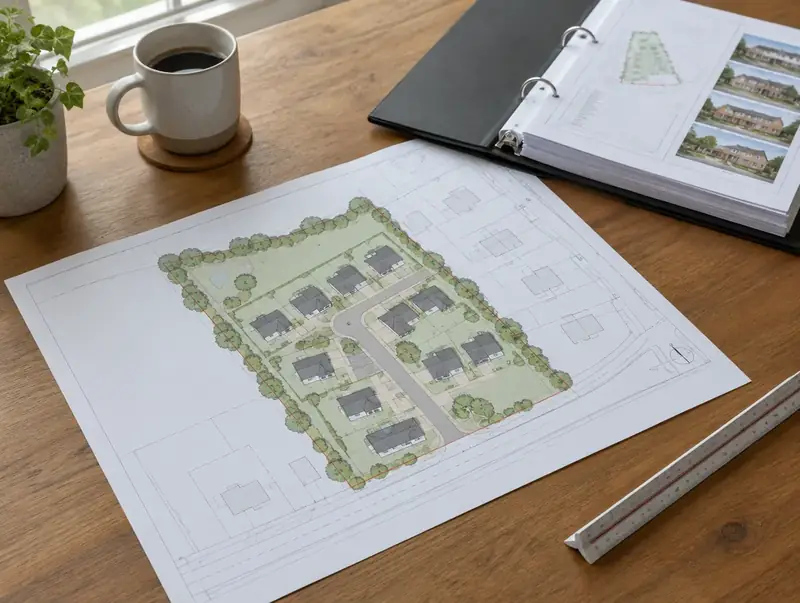
Subject-to-planning contract for land in Cambridgeshire
Subject-to-planning contract is one of four ways we buy land in Cambridgeshire. Cambridgeshire combines the fast-growing Cambridge area and Peterborough with Fenland market towns such as Wisbech, March and Ely and the towns of St Neots, Huntingdon and St Ives. A Green Belt surrounds Cambridge, while much of the north lies in the low-lying Fens, where flood zone status is often the deciding factor. Typical sites include edge-of-village land, former agricultural yards and larger strategic land promoted for new communities.
Water supply and wastewater capacity have been recurring issues for growth around Cambridge, and Fenland sites usually need careful flood risk evidence. Away from the city, small sites on the edges of villages and market towns along the A14, A10 and A1 corridors are a common source of new housing land.
In England, the revised National Planning Policy Framework published on 17 August 2026 replaced the old "tilted balance" with new settlement policies: development within a settlement should normally be approved unless the harm substantially outweighs the benefits, while land outside a settlement can gain support in defined circumstances.
English councils keep brownfield land registers, and some previously developed sites can be granted permission in principle, a quicker way of establishing whether housing is acceptable before technical details are settled.
Parts of Cambridgeshire are Green Belt, though not every town has any nearby. We check early whether a site is inside it and, if so, whether a grey belt or previously developed land case could apply.
In short: we agree a price now and complete once a satisfactory planning permission is granted. It usually suits land without planning that has a realistic route; infill, garden and small sites; owners who want a value linked to planning without funding it. See how a subject-to-planning contract works for the full process, pros and cons.
Land in Cambridgeshire that often suits a subject-to-planning contract
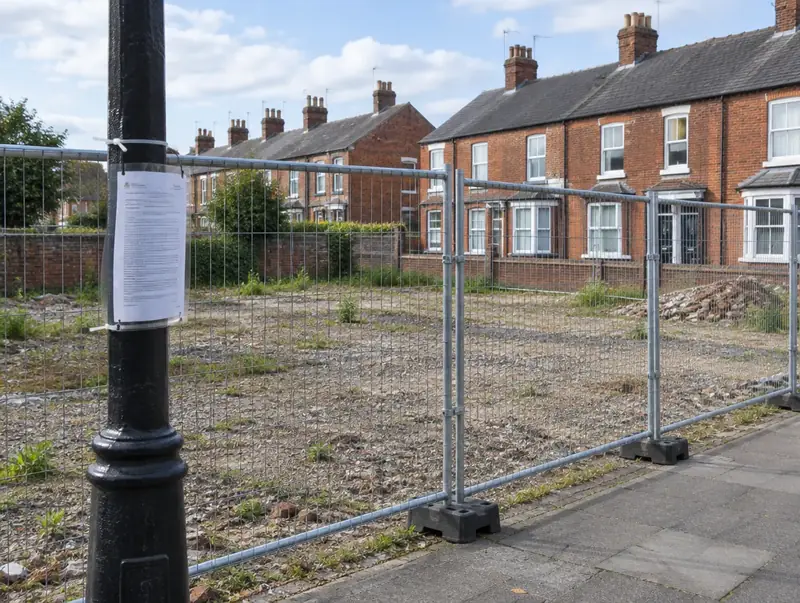 Wanted
Land with planning permission
We are interested in sites with planning across the Cambridge area, including smaller consents that larger housebuilders may pass over. Used where a fresh or amended application would improve the scheme.
Learn more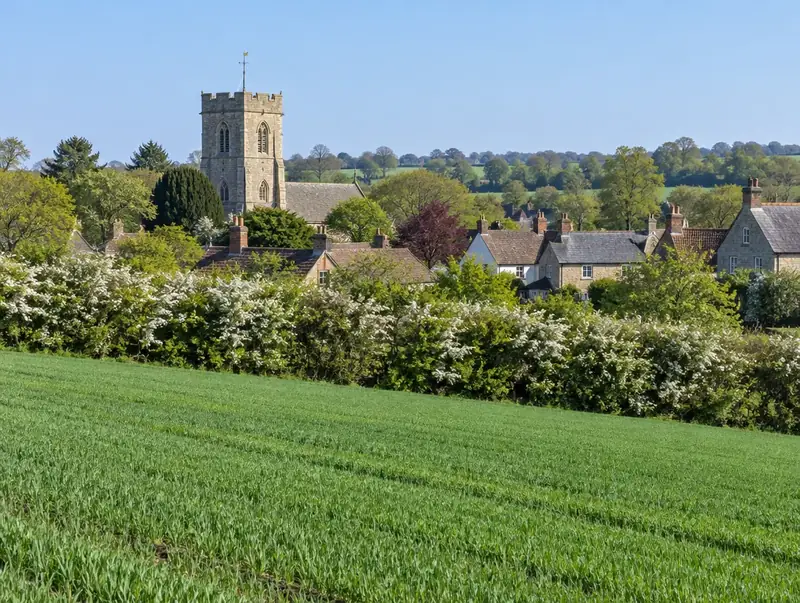 Wanted
Land without planning permission
Near Cambridge, land without planning is worth discussing where it adjoins existing homes or has been put forward to the council's plan. The most common route: we fund the application and complete once permission is granted.
Learn more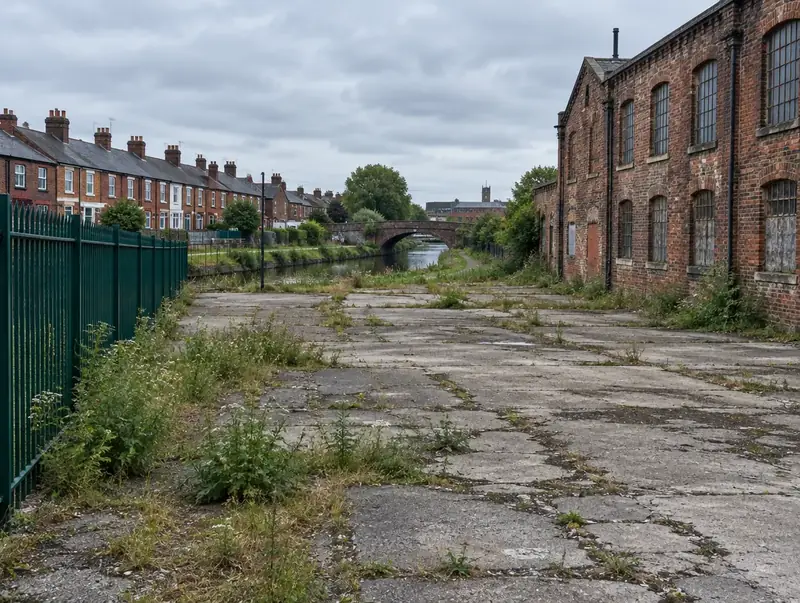 Wanted
Brownfield land
Brownfield land in Cambridge tends to be well located for homes; the questions are usually about contamination, demolition and neighbours. Useful where the change from commercial to residential still needs consent.
Learn more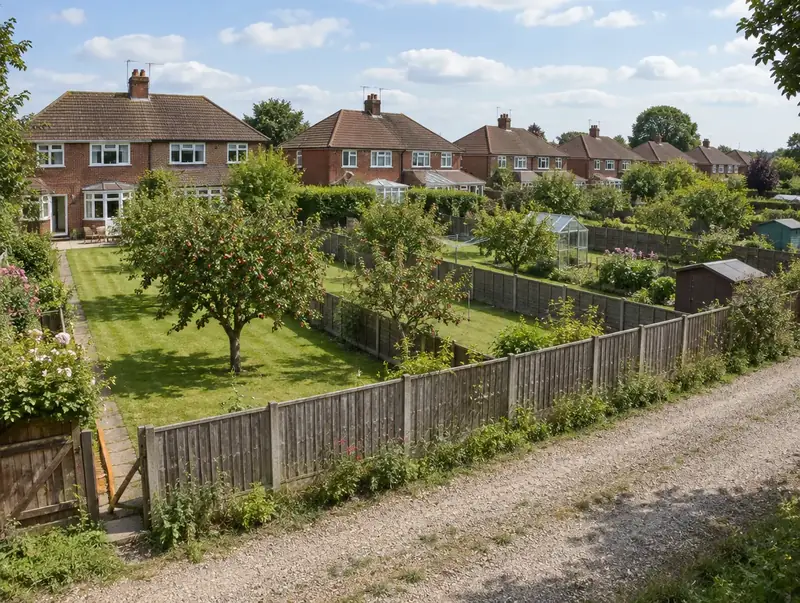 Wanted
Garden and backland plots
Backland development in Cambridge turns on access and privacy; we look at both before suggesting whether an application is worth making. The usual route: we apply and you only sell if permission is granted.
Learn more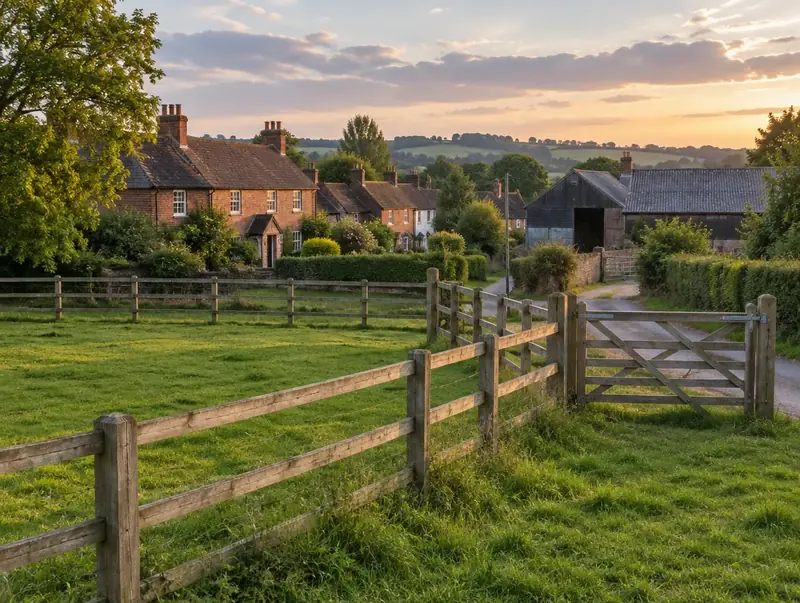 Wanted
Farmland and paddocks
We are looking for farmland near Cambridge with a realistic access, ideally land the owner has already put forward to the local plan. Works well for smaller paddocks and edge-of-village fields.
Learn more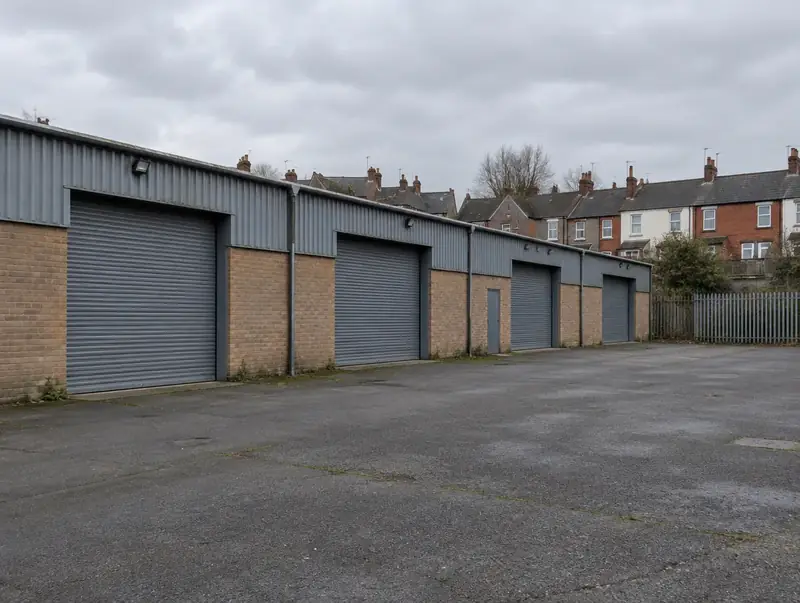 Wanted
Commercial and industrial sites
Older business land around Cambridge, especially units now surrounded by housing, is the kind of commercial site we would like to discuss. Used where a change of use still needs consent.
Learn more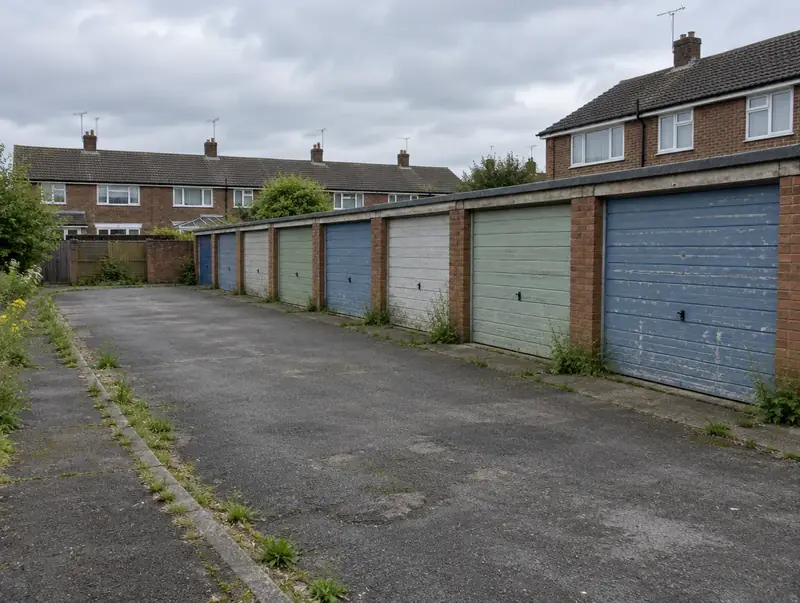 Wanted
Garage courts and yards
Across Cambridge, lock-up blocks that are half empty can be a better use of land as homes, with parking handled sensibly. The usual route for garage courts.
Learn more Wanted
Sites with lapsed or refused planning
Sites around Cambridge with an old refusal can be worth a second look, especially where local or national policy has since changed. The usual route: we make the revised application and complete on success.
Learn moreTowns we cover in Cambridgeshire
Subject-to-planning contract: questions
What counts as a satisfactory permission?
The contract defines it: usually the number and type of homes, acceptable conditions and planning obligations, and the end of the judicial review period.
Is there a deposit?
Sometimes a modest deposit is paid on exchange; terms vary by site and are set out in the heads of terms.
Can I keep using the land meanwhile?
Yes, usually, until completion.
Do you use subject-to-planning contracts for land in Cambridgeshire?
Yes. We use subject-to-planning contracts across Cambridgeshire and the rest of England, where the structure suits the site and the owner.