
Brownfield land wanted in Cambridgeshire
If you own brownfield land in or around Cambridgeshire, we would like to hear about it. We buy directly and give a free, no-obligation appraisal.
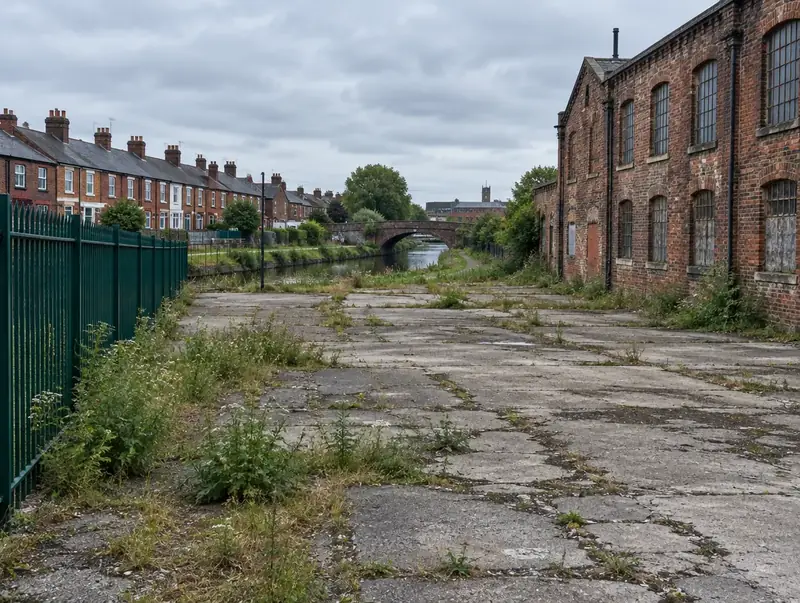
Brownfield land is land that has been developed before, such as a former factory, depot, yard or cleared building plot. National policy in both England and Wales supports reusing it, and we buy brownfield sites of all sizes for new homes.
- Size
- Any
- Planning
- With or without
- Areas
- England & Wales
- Ways we buy
- Outright or conditional
Is your land in Cambridgeshire the kind we want?
Cambridgeshire combines the fast-growing Cambridge area and Peterborough with Fenland market towns such as Wisbech, March and Ely and the towns of St Neots, Huntingdon and St Ives. A Green Belt surrounds Cambridge, while much of the north lies in the low-lying Fens, where flood zone status is often the deciding factor. Typical sites include edge-of-village land, former agricultural yards and larger strategic land promoted for new communities.
- Former industrial, commercial or depot sites
- Yards and builders' compounds within towns
- Land with buildings that would be demolished
- Sites with known contamination where the history is documented
Water supply and wastewater capacity have been recurring issues for growth around Cambridge, and Fenland sites usually need careful flood risk evidence. Away from the city, small sites on the edges of villages and market towns along the A14, A10 and A1 corridors are a common source of new housing land.
What usually makes or breaks it
Contamination
Past uses can leave contamination; desk studies and site investigation show what remediation is needed.
Demolition and ground
Old foundations, tanks and services add cost, so we allow for them in our appraisal.
Neighbouring uses
Noise or smells from neighbouring businesses can affect whether homes are acceptable.
Where an English council cannot show a five-year supply of housing land, or its Housing Delivery Test result falls below 75%, the August 2026 NPPF can give policy support to suitable housing outside settlement boundaries.
English councils keep brownfield land registers, and some previously developed sites can be granted permission in principle, a quicker way of establishing whether housing is acceptable before technical details are settled.
Some land in Cambridgeshire is designated Green Belt. If your land is within it, it may still qualify as grey belt or previously developed land under national policy, subject to the Golden Rules.
Brownfield land wanted in towns across Cambridgeshire
Choosing how to sell
Outright purchase
Common for brownfield, with contamination and demolition allowed for in the price.
Outright purchaseSubject-to-planning contract
Useful where the change from commercial to residential still needs consent.
Subject-to-planning contractWhat happens after you get in touch
Get in touch
Tell us where the land is and what you know about it.
Site review
We look at the land, its planning position and anything that could affect it.
Proposal
We put our proposal in writing, with no obligation to accept.
Exchange and completion
If you go ahead, contracts are exchanged and the sale completes on the agreed terms.
Your questions answered
Do I have to clear the site first?
No. We can buy with buildings and hardstanding in place and deal with demolition ourselves.
Is brownfield land easier to get planning on?
National policy in England and Wales supports making good use of previously developed land, but each site still needs to meet local policies.
Can an agent introduce land in Cambridgeshire to you?
Yes. Estate agents, land agents and planning consultants can introduce sites with the owner's consent. Any fee is agreed in writing before details are shared, confirmed by the owner in writing and paid only on completion.
Which planning rules apply to land in Cambridgeshire?
As Cambridgeshire is in England, national policy comes from the National Planning Policy Framework, revised in August 2026. Local policies in the council's development plan also apply.