
Brownfield land wanted in Cambridge
If you own brownfield land in or around Cambridge, we would like to hear about it. We buy directly and give a free, no-obligation appraisal.
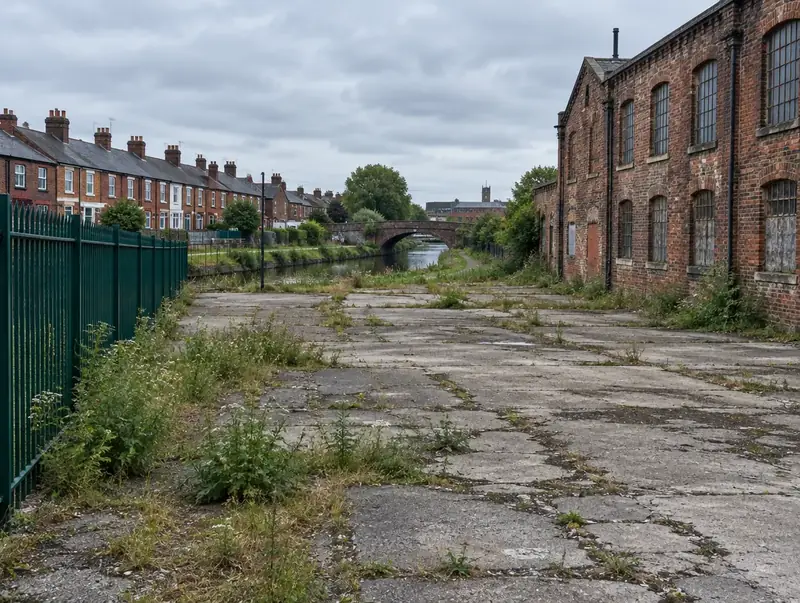
If your land has buildings, hardstanding or a past industrial use, it is likely to count as brownfield. Reusing these sites is a planning priority, and we are buyers for yards, depots and cleared plots across England and Wales.
- Size
- Any
- Planning
- With or without
- Areas
- England & Wales
- Ways we buy
- Outright or conditional
Is your land in Cambridge the kind we want?
Former works, depots and yards in and around Cambridge can make good housing sites once the ground and neighbouring uses are understood. As the county town of Cambridgeshire, Cambridge anchors the area we cover here, along with Royston, St Ives and Newmarket.
- Former industrial, commercial or depot sites
- Cleared sites and land with hardstanding
- Sites on a brownfield land register (England) or similar
- Sites with known contamination where the history is documented
Cambridgeshire combines the fast-growing Cambridge area and Peterborough with Fenland market towns such as Wisbech, March and Ely and the towns of St Neots, Huntingdon and St Ives. A Green Belt surrounds Cambridge, while much of the north lies in the low-lying Fens, where flood zone status is often the deciding factor. Typical sites include edge-of-village land, former agricultural yards and larger strategic land promoted for new communities.
Checks we make on brownfield land in Cambridge
Demolition and ground
Old foundations, tanks and services add cost, so we allow for them in our appraisal.
Employment land policy
Some councils protect employment land; we check whether a change to housing would be resisted.
Existing floorspace
Vacant buildings can reduce affordable housing requirements in some cases (vacant building credit, England).
Where an English council cannot show a five-year supply of housing land, or its Housing Delivery Test result falls below 75%, the August 2026 NPPF can give policy support to suitable housing outside settlement boundaries.
Our base is in Great Barr, Birmingham, about 89 miles away, and we buy land throughout England and Wales.
How we could buy your land in Cambridge
Outright purchase
We agree a price and buy the land, with no planning condition attached.
Outright purchaseSubject-to-planning contract
We agree a price now and complete once a satisfactory planning permission is granted.
Subject-to-planning contractOption agreement
You grant us the right to buy within a set period, usually for an option premium, while we pursue planning.
Option agreementJoint venture
You contribute the land, we fund and manage planning and delivery, and the proceeds are shared as agreed.
Joint ventureThe next steps
Tell us about the land
Use the form or call us with the location and a rough outline of the site.
Free appraisal
We review title, planning and constraints and tell you honestly what we think.
Written offer
If the site suits us, we set out an offer and the way we propose to buy.
Solicitors take over
Your solicitor and ours agree the contract; we keep you informed throughout.
Questions owners in Cambridge ask
Do I have to clear the site first?
No. We can buy with buildings and hardstanding in place and deal with demolition ourselves.
My site is still let to a tenant. Is that a problem?
It can be managed. Tell us about the lease terms and any break dates and we will factor them into the timing.
Is Cambridge too far from our Birmingham base?
No. We are based in Great Barr, Birmingham, about 89 miles from Cambridge, and we look at land right across England and Wales.
Which planning rules apply to land in Cambridge?
As Cambridge is in England, national policy comes from the National Planning Policy Framework, revised in August 2026. Local policies in the council's development plan also apply.