
Subject-to-planning contract for land in Rutland
We agree a price now and complete once a satisfactory planning permission is granted.
A subject-to-planning (conditional) contract is a sale agreed now that only completes once planning permission is granted on terms both sides have defined. We normally pay for the application, and if permission is not obtained the contract can end and the landowner keeps the land.
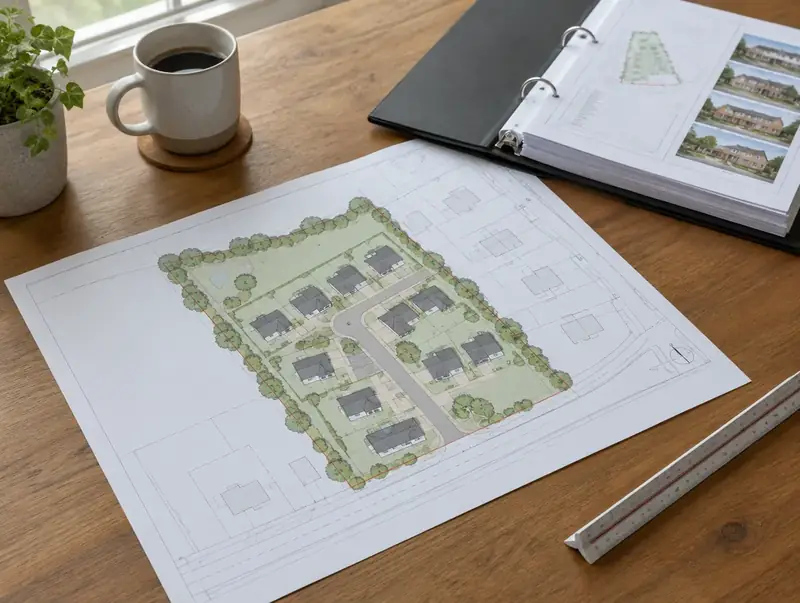
Subject-to-planning contract for land in Rutland
Considering a subject-to-planning contract for land in Rutland? Here is how it works and where it fits. Rutland is a small rural county centred on the market towns of Oakham and Uppingham, with many villages around Rutland Water. There is no Green Belt and no National Landscape, but conservation areas, listed buildings and the protected habitats of Rutland Water are frequent considerations. Housing land typically comes forward as small edge-of-village fields, infill plots, farm buildings and occasional former military or commercial land.
Most new homes are planned in Oakham and Uppingham, with limited growth in the larger villages. Rutland Water is internationally protected for birds, and the rural road network and the rail line through Oakham shape which locations are seen as sustainable.
In England, the revised National Planning Policy Framework published on 17 August 2026 replaced the old "tilted balance" with new settlement policies: development within a settlement should normally be approved unless the harm substantially outweighs the benefits, while land outside a settlement can gain support in defined circumstances.
Where an English council cannot show a five-year supply of housing land, or its Housing Delivery Test result falls below 75%, the August 2026 NPPF can give policy support to suitable housing outside settlement boundaries.
Rutland has no designated Green Belt, so the main policy questions near Oakham are usually the settlement boundary, landscape and access.
In short: we agree a price now and complete once a satisfactory planning permission is granted. It usually suits land without planning that has a realistic route; infill, garden and small sites; owners who want a value linked to planning without funding it. See how a subject-to-planning contract works for the full process, pros and cons.
Land in Rutland that often suits a subject-to-planning contract
 Wanted
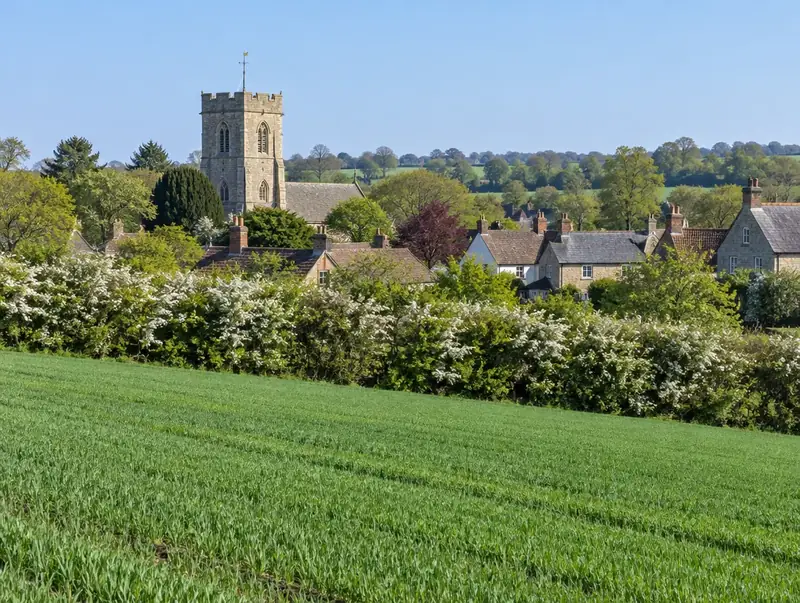
Land without planning permission
For land on the edges of Oakham with no consent yet, the first questions are access, flood risk and how the council's current plan treats the area. The most common route: we fund the application and complete once permission is granted.
Learn more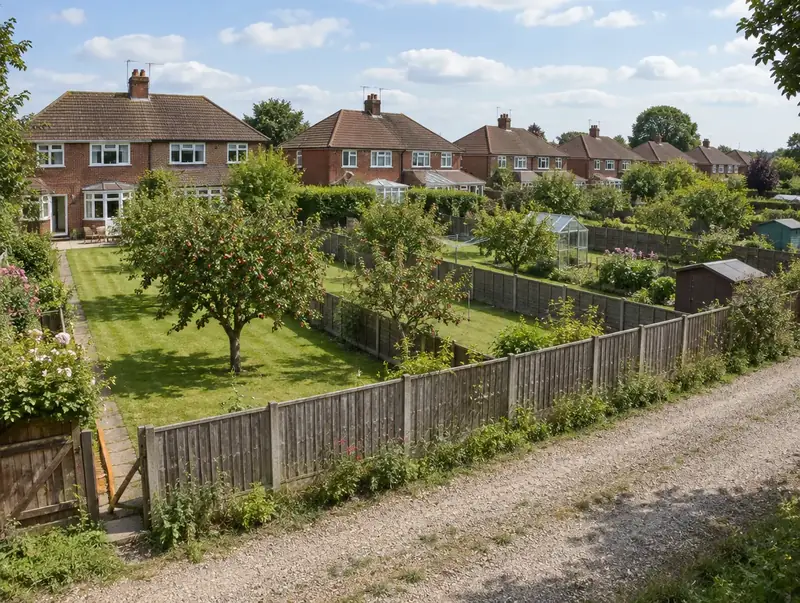 Wanted
Garden and backland plots
Backland development in Oakham turns on access and privacy; we look at both before suggesting whether an application is worth making. The usual route: we apply and you only sell if permission is granted.
Learn more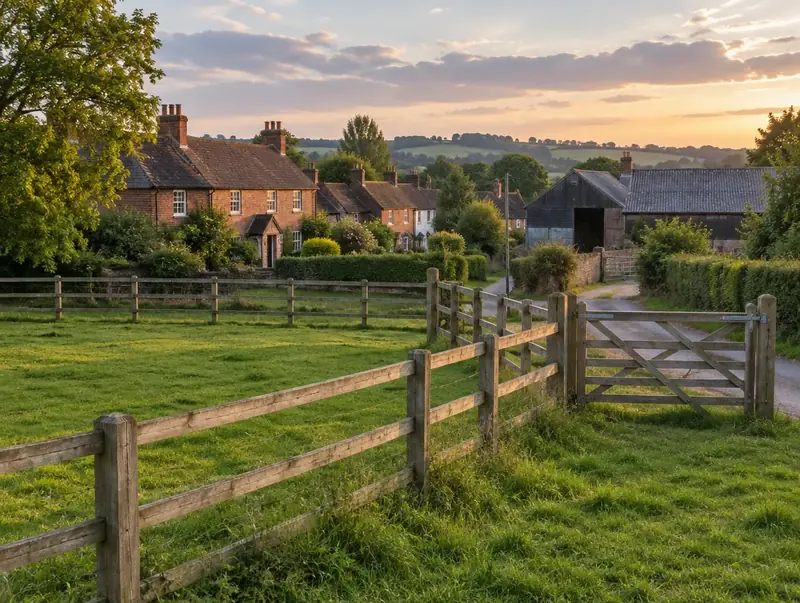 Wanted
Farmland and paddocks
Fields that wrap around the edges of Oakham and its neighbouring villages are the farmland we most want to talk about. Works well for smaller paddocks and edge-of-village fields.
Learn more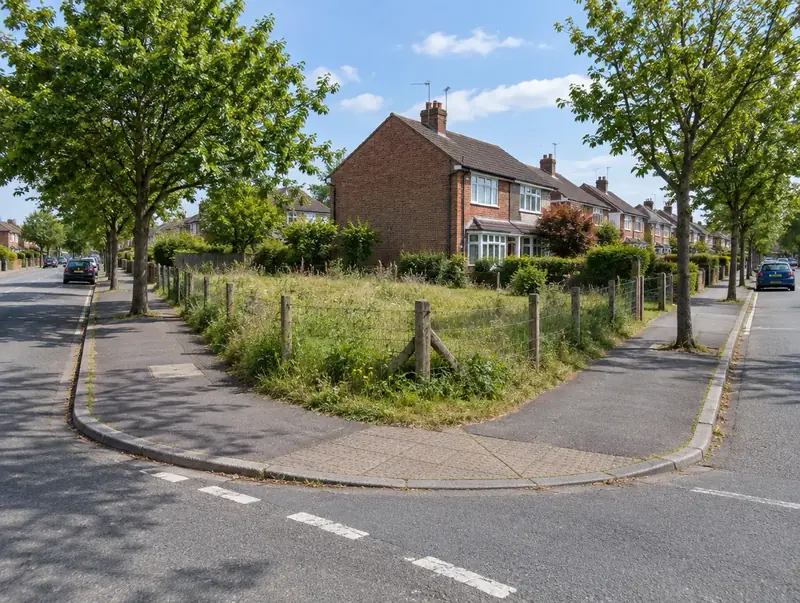 Wanted
Small sites
We want to hear about plots for a few homes anywhere around Oakham, including ones a larger builder has already turned down. Popular for small plots: you only sell once permission is granted.
Learn more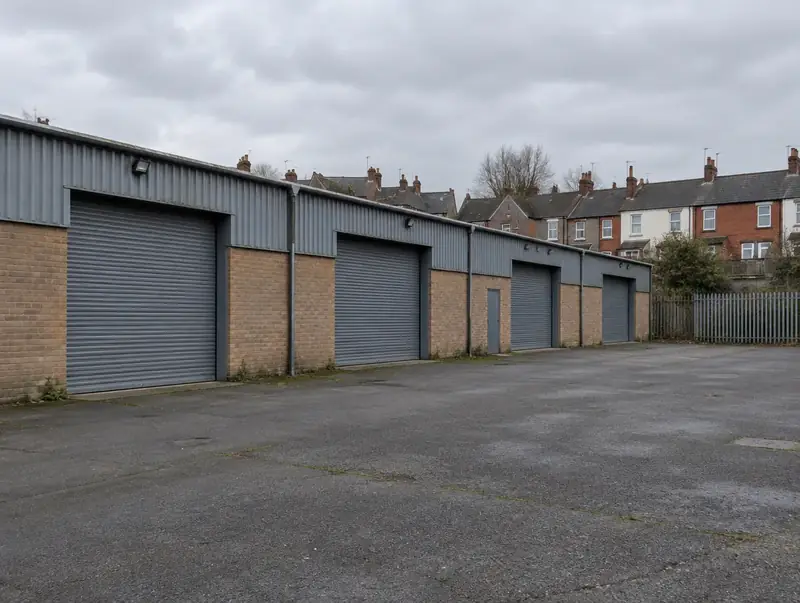 Wanted
Commercial and industrial sites
In Oakham, industrial land that has drifted out of use can often be reimagined as homes, subject to the council's view on employment land. Used where a change of use still needs consent.
Learn more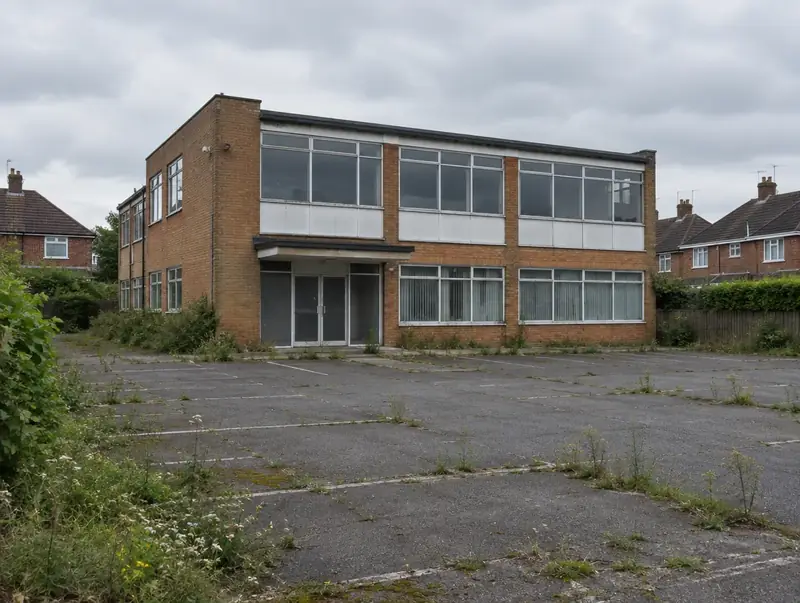 Wanted
Redundant buildings
Across Oakham, empty offices, shops and former pubs can find a new life as homes when the building and the planning position line up. Used where consent or prior approval is still needed.
Learn more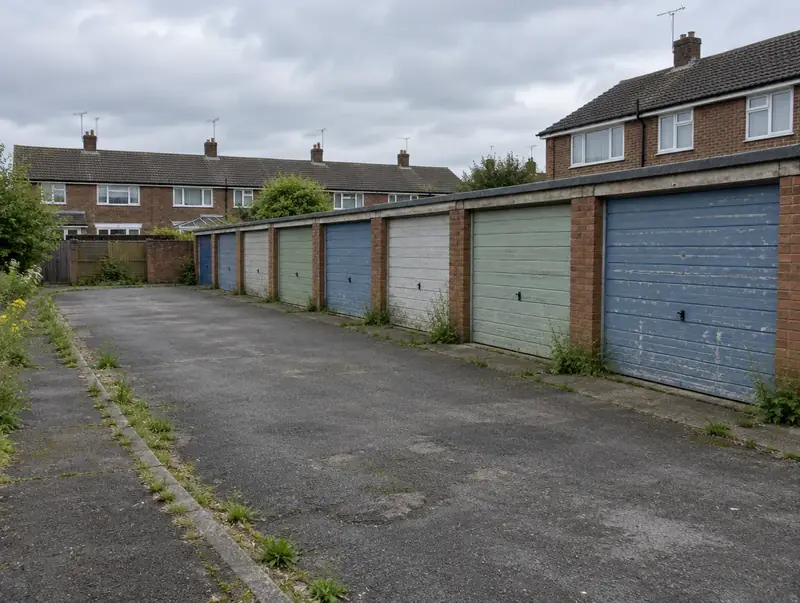 Wanted
Garage courts and yards
Across Oakham, lock-up blocks that are half empty can be a better use of land as homes, with parking handled sensibly. The usual route for garage courts.
Learn more Wanted
Allocated and promoted land
Around Oakham, allocated sites and land put forward to the council are usually the furthest along, so they can often move faster than land at an earlier stage. Used where an application is the next step.
Learn moreTowns we cover in Rutland
Subject-to-planning contract: questions
What counts as a satisfactory permission?
The contract defines it: usually the number and type of homes, acceptable conditions and planning obligations, and the end of the judicial review period.
What happens if planning is refused?
The contract normally lets us appeal, re-apply or withdraw within set timescales. If it ends, you keep your land.
Is there a deposit?
Sometimes a modest deposit is paid on exchange; terms vary by site and are set out in the heads of terms.
Do you use subject-to-planning contracts for land in Rutland?
Yes. We use subject-to-planning contracts across Rutland and the rest of England, where the structure suits the site and the owner.