
Commercial and industrial sites wanted in Cambridge
We are actively looking for commercial and industrial sites in Cambridge and the surrounding area, with or without planning permission.
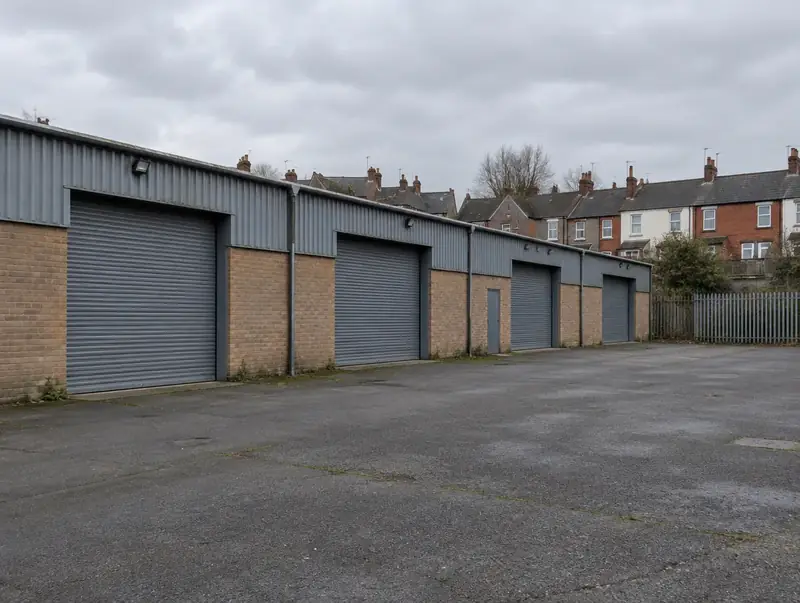
If you own industrial units, a business yard or commercial land that is surrounded by housing or underused, it may be worth more as a residential site. We look at employment land policy, tenancies and ground conditions before making an offer.
- Size
- Any
- Planning
- With or without
- Areas
- England & Wales
- Ways we buy
- Outright or conditional
What commercial and industrial sites we want near Cambridge
In Cambridge, industrial land that has drifted out of use can often be reimagined as homes, subject to the council's view on employment land. As the county town of Cambridgeshire, Cambridge anchors the area we cover here, along with Royston, St Ives and Newmarket.
- Industrial units and yards within residential areas
- Commercial land that is vacant or underused
- Garage, workshop and showroom sites
- Land where employment use has been marketed without success
Water supply and wastewater capacity have been recurring issues for growth around Cambridge, and Fenland sites usually need careful flood risk evidence. Away from the city, small sites on the edges of villages and market towns along the A14, A10 and A1 corridors are a common source of new housing land.
What decides whether a site in Cambridge works
Employment land protection
Councils often protect business land; evidence of marketing or lack of demand can matter.
Neighbouring businesses
Homes next to noisy uses may need mitigation or may not be acceptable.
Permitted development (England)
Some changes from commercial to residential use can be made through prior approval rather than a full application.
In England, the revised National Planning Policy Framework published on 17 August 2026 replaced the old "tilted balance" with new settlement policies: development within a settlement should normally be approved unless the harm substantially outweighs the benefits, while land outside a settlement can gain support in defined circumstances.
Some land in Cambridgeshire is designated Green Belt. If your land is within it, it may still qualify as grey belt or previously developed land under national policy, subject to the Golden Rules.
Though we are based in Birmingham (roughly 89 miles away), distance is no barrier: we look at land across England and Wales.
Four ways to sell to us
Outright purchase
Common, with leases and remediation reflected in timing and price.
Outright purchaseSubject-to-planning contract
Used where a change of use still needs consent.
Subject-to-planning contractHow a sale to us works
Tell us about the land
Use the form or call us with the location and a rough outline of the site.
Free appraisal
We review title, planning and constraints and tell you honestly what we think.
Written offer
If the site suits us, we set out an offer and the way we propose to buy.
Solicitors take over
Your solicitor and ours agree the contract; we keep you informed throughout.
Your questions answered
Will the council object to losing business land?
Some councils protect employment land. Evidence that the site is no longer needed or suitable for business can help.
Do I need to market the site first?
Not to sell to us. Marketing evidence can, however, support a planning case for change of use.
Can an agent introduce land in Cambridge to you?
Yes. Estate agents, land agents and planning consultants can introduce sites with the owner's consent. Any fee is agreed in writing before details are shared, confirmed by the owner in writing and paid only on completion.
Which planning rules apply to land in Cambridge?
As Cambridge is in England, national policy comes from the National Planning Policy Framework, revised in August 2026. Local policies in the council's development plan also apply.