
Barns and rural buildings wanted in Norfolk
We want to hear from owners of barns and rural buildings in Norfolk. There is nothing to pay us, and you are under no obligation.
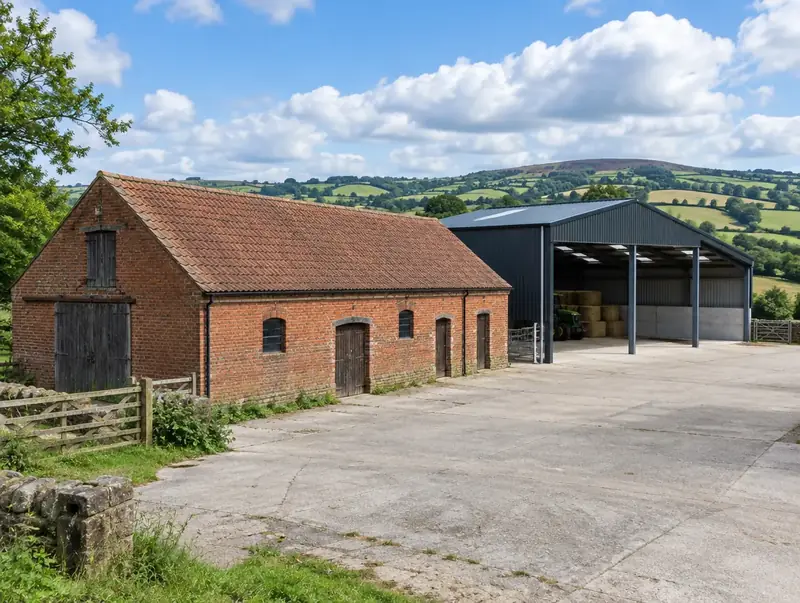
If you have farm buildings that are no longer needed, they may be suited to homes. We look at traditional and modern barns, stables and rural yards across England and Wales and explain the realistic planning route for each.
- Size
- Single barns to farmyards
- Planning
- With or without
- Areas
- England & Wales
- Ways we buy
- Outright or conditional
The barns and rural buildings that interests us around Norfolk
Norfolk is largely rural, with Norwich, Great Yarmouth, King's Lynn and Thetford and market towns such as Dereham, Diss, North Walsham and Downham Market. There is no Green Belt, but the Norfolk Coast National Landscape and the Broads cover sensitive areas. Nutrient neutrality advice has affected much of the county because of protected sites including the Broads and the River Wensum, so drainage is often a key issue for village and edge-of-town sites.
- Modern agricultural buildings that may suit Class Q (England)
- Farmyards with several buildings
- Buildings with an existing access to a road
- Buildings with or without an existing consent
The A11 corridor from Thetford towards Norwich and the A47 east-west route carry much planned growth, with larger sites around Norwich. Rural villages see small schemes of farm buildings, paddocks and infill plots, while flood risk in the Fens near King's Lynn and on the coast shapes what is possible.
Before we make an offer in Norfolk
Planning route
In England, Class Q prior approval may apply to agricultural buildings; in Wales, a full application is usually needed.
Protected species
Bats and barn owls are common in rural buildings and need surveys at the right time of year.
Protected landscapes
National Parks and National Landscapes can restrict permitted development and design.
National policy in England now recognises "medium development" of 10 to 49 homes on sites up to 2.5 hectares, and asks councils to allocate at least 10% of their housing on sites of one hectare or less and a further 10% on sites of one to 2.5 hectares.
The Planning and Infrastructure Act 2025 introduced Environmental Delivery Plans and a Nature Restoration Levy in England, which over time may offer an alternative to site-by-site mitigation for some environmental issues.
Parts of Norfolk fall within Norfolk Coast National Landscape and The Broads. Protected landscapes carry strong policy protection, so land in or next to them needs particularly careful assessment.
Barns and rural buildings wanted in towns across Norfolk
Four ways to sell to us
Outright purchase
We agree a price and buy the land, with no planning condition attached.
Outright purchaseSubject-to-planning contract
We agree a price now and complete once a satisfactory planning permission is granted.
Subject-to-planning contractOption agreement
You grant us the right to buy within a set period, usually for an option premium, while we pursue planning.
Option agreementThe next steps
Get in touch
Tell us where the land is and what you know about it.
Site review
We look at the land, its planning position and anything that could affect it.
Proposal
We put our proposal in writing, with no obligation to accept.
Exchange and completion
If you go ahead, contracts are exchanged and the sale completes on the agreed terms.
Your questions answered
Does Class Q apply in Wales?
No. Class Q is part of the permitted development rules for England. In Wales, barn conversions generally need a full planning application.
Can a steel-framed barn become a home?
In England it may, under Class Q, if it meets the conditions. Whether it is worth doing depends on the building, access and location.
How quickly can you look at a site in Norfolk?
For most sites we can give an initial view once we have the location and a plan. Detailed checks follow if the land looks suitable.
Which planning rules apply to land in Norfolk?
As Norfolk is in England, national policy comes from the National Planning Policy Framework, revised in August 2026. Local policies in the council's development plan also apply.