
Garden and backland plots wanted in Lincolnshire
We are actively looking for garden and backland plots in Lincolnshire and the surrounding area, with or without planning permission.
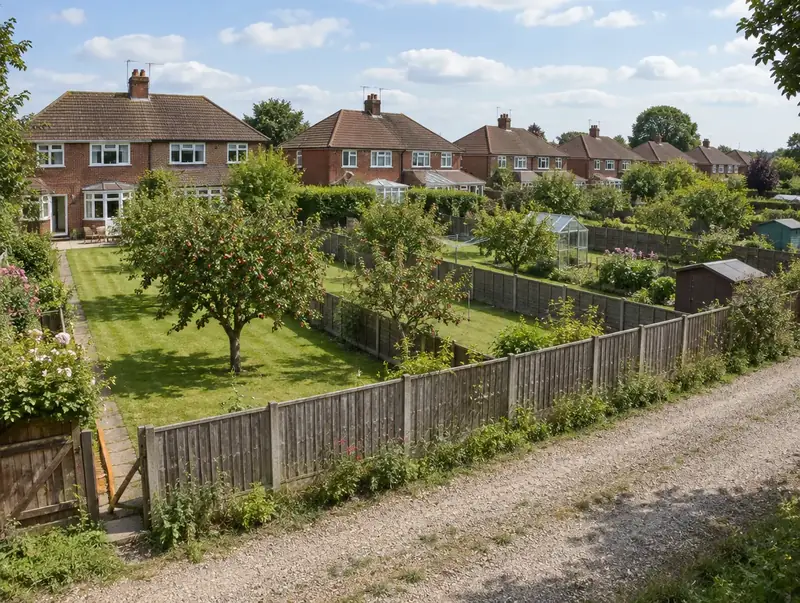
Garden and backland development means building new homes on land behind existing houses. It works best where there is a safe access and enough space to avoid overlooking. We buy single large gardens and assemble neighbouring gardens where owners agree.
- Size
- 1 to 20 homes typically
- Planning
- Usually without
- Areas
- England & Wales
- Ways we buy
- Conditional or outright
Is your land in Lincolnshire the kind we want?
Lincolnshire, as used here, includes the Humber towns of Grimsby, Scunthorpe and Cleethorpes as well as Lincoln, Boston, Grantham, Spalding, Stamford and Skegness. There is no Green Belt, but the Lincolnshire Wolds National Landscape covers part of the county and much of the south and east lies in low-lying fenland and coastal marsh at high flood risk. Typical sites include edge-of-town fields, farm buildings, village infill and former industrial land.
- Several neighbouring gardens that could be combined
- Land behind houses with an existing drive or gap for access
- Paddocks and orchards behind homes on the edge of a village
- Sites with or without previous applications
Flood zones and the sequential test often decide what is possible in the Fens and along the coast, so sites on higher ground or within existing towns are favoured. The A1 corridor at Grantham and Stamford, the Lincoln area and the Humber ports see the most interest in larger housing land.
What decides whether a site in Lincolnshire works
Local garden policy
Some councils resist garden development; others support it where character is respected.
Your own property
Selling garden land changes your home, so we plan boundaries and access carefully.
Mortgage consent
If your home is mortgaged, the lender will usually need to release the garden land.
National policy in England now recognises "medium development" of 10 to 49 homes on sites up to 2.5 hectares, and asks councils to allocate at least 10% of their housing on sites of one hectare or less and a further 10% on sites of one to 2.5 hectares.
In England, a planning permission normally has to be implemented within three years unless the council sets a different period, and councils aim to decide minor applications within eight weeks and major ones within thirteen.
Garden and backland plots wanted in towns across Lincolnshire
Four ways to sell to us
Subject-to-planning contract
The usual route: we apply and you only sell if permission is granted.
Subject-to-planning contractOption agreement
You grant us the right to buy within a set period, usually for an option premium, while we pursue planning.
Option agreementWhat happens after you get in touch
Tell us about the land
Use the form or call us with the location and a rough outline of the site.
Free appraisal
We review title, planning and constraints and tell you honestly what we think.
Written offer
If the site suits us, we set out an offer and the way we propose to buy.
Solicitors take over
Your solicitor and ours agree the contract; we keep you informed throughout.
Questions owners in Lincolnshire ask
Do I pay tax on selling garden land?
Tax depends on your circumstances, including how much land you have and how it has been used. Speak to a tax adviser before you agree terms.
What if my mortgage lender says no?
Lenders usually agree where the sale reduces the debt or the remaining security is adequate. We build time for this into the process.
How quickly can you look at a site in Lincolnshire?
For most sites we can give an initial view once we have the location and a plan. Detailed checks follow if the land looks suitable.
Do I need to pay anything to have land in Lincolnshire assessed?
No. Our appraisal is free and there is no obligation to sell to us.