
Barns and rural buildings wanted in St Helens
We want to hear from owners of barns and rural buildings in St Helens. There is nothing to pay us, and you are under no obligation.
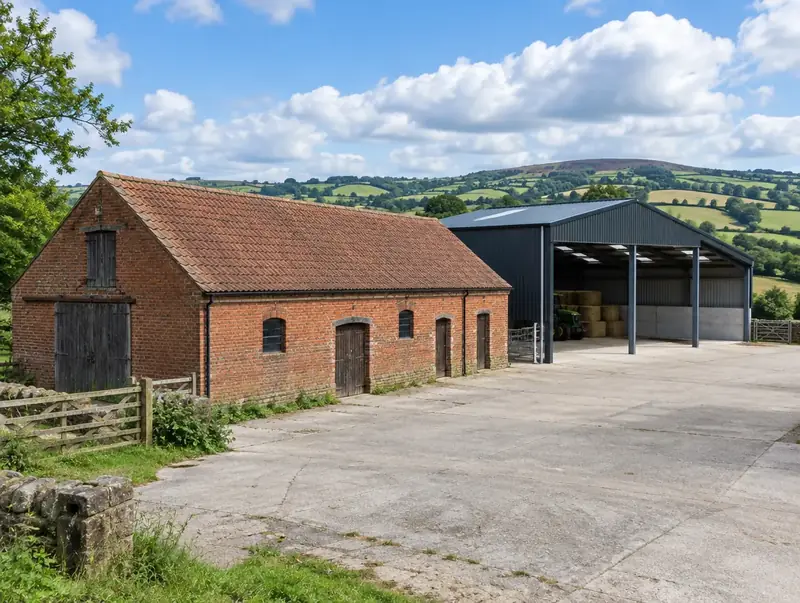
If you have farm buildings that are no longer needed, they may be suited to homes. We look at traditional and modern barns, stables and rural yards across England and Wales and explain the realistic planning route for each.
- Size
- Single barns to farmyards
- Planning
- With or without
- Areas
- England & Wales
- Ways we buy
- Outright or conditional
The barns and rural buildings that interests us around St Helens
In the countryside around St Helens, redundant barns and yards can sometimes become homes, depending on the building and the route available. Sitting about 10 miles east of Liverpool, St Helens is within Merseyside, with Haydock and Prescot close by.
- Traditional brick or stone barns
- Stable blocks, workshops and rural yards
- Farmyards with several buildings
- Buildings with or without an existing consent
Merseyside centres on Liverpool, with Birkenhead and Wallasey across the Mersey, Southport and Formby on the coast, and towns such as St Helens, Bootle, Huyton and Kirkby. Green Belt separates many of these places and covers much of the remaining open land, so most housing comes from previously developed land, docks, former industrial estates and town-centre sites. Grey belt and small fringe sites can also come forward.
What decides whether a site in St Helens works
Planning route
In England, Class Q prior approval may apply to agricultural buildings; in Wales, a full application is usually needed.
Protected landscapes
National Parks and National Landscapes can restrict permitted development and design.
Access and services
Rural buildings often need new access, drainage and power.
Since 6 August 2026, non-major development on sites of 0.2 hectares or less in England has generally been exempt from mandatory biodiversity net gain, unless priority habitat is affected. That makes many small sites simpler to bring forward.
We are based in Great Barr, Birmingham, around 71 miles from St Helens, and we travel to see sites across England and Wales.
Four ways to sell to us
Subject-to-planning contract
We agree a price now and complete once a satisfactory planning permission is granted.
Subject-to-planning contractOption agreement
You grant us the right to buy within a set period, usually for an option premium, while we pursue planning.
Option agreementJoint venture
You contribute the land, we fund and manage planning and delivery, and the proceeds are shared as agreed.
Joint ventureHow a sale to us works
Get in touch
Tell us where the land is and what you know about it.
Site review
We look at the land, its planning position and anything that could affect it.
Proposal
We put our proposal in writing, with no obligation to accept.
Exchange and completion
If you go ahead, contracts are exchanged and the sale completes on the agreed terms.
Your questions answered
Does Class Q apply in Wales?
No. Class Q is part of the permitted development rules for England. In Wales, barn conversions generally need a full planning application.
We still use some of the buildings. Can we sell just part of the yard?
Yes. We can look at selling some buildings and keeping others, with access and boundaries agreed.
How quickly can you look at a site in St Helens?
For most sites we can give an initial view once we have the location and a plan. Detailed checks follow if the land looks suitable.
Which planning rules apply to land in St Helens?
As St Helens is in England, national policy comes from the National Planning Policy Framework, revised in August 2026. Local policies in the council's development plan also apply.