
Land without planning permission wanted in Stanford-le-Hope
We are actively looking for land without planning permission in Stanford-le-Hope and the surrounding area, with or without planning permission.
Having no planning permission does not rule land out. Many good development sites start as fields or yards with no consent. We look at local policy, access and constraints, then explain the options, including deals where we take on the planning work.
- Size
- Any
- Planning
- None yet
- Areas
- England & Wales
- Ways we buy
- Conditional, option or JV
The land without planning permission that interests us around Stanford-le-Hope
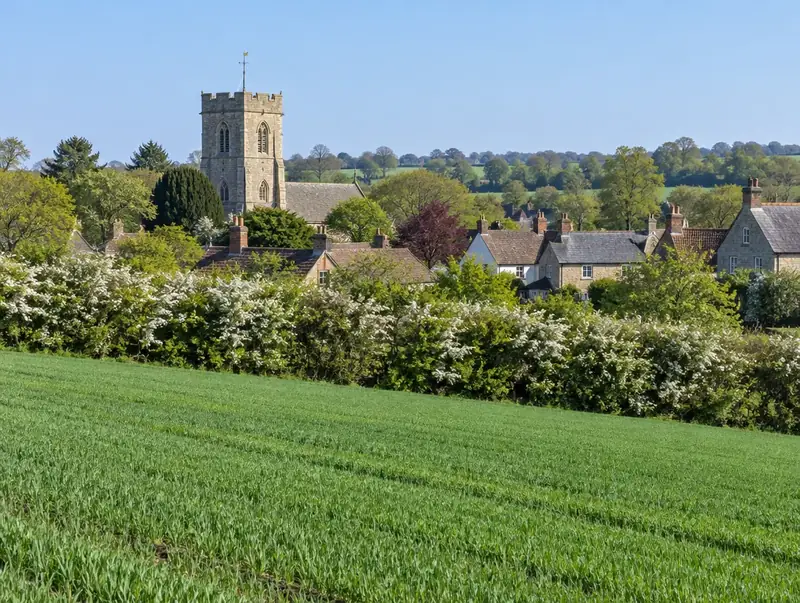
Near Stanford-le-Hope, land without planning is worth discussing where it adjoins existing homes or has been put forward to the council's plan. Stanford-le-Hope is in Essex, about 15 miles south of Chelmsford. Nearby places include Basildon, Pitsea and Grays.
- Fields and paddocks next to existing settlements
- Land the owner has put forward to a local plan or call for sites
- Plots within towns and villages that have never been built on
- Land of any size, including single plots
Essex is one of the most varied counties for land, from Southend-on-Sea, Basildon, Chelmsford, Colchester and Harlow to the Tendring coast and many rural villages. Much of the south and west is Metropolitan Green Belt, where grey belt and previously developed land are key, while north-east Essex, including Colchester and the Tendring coast, has none. Typical sites include edge-of-village fields, farmyards, former employment land and coastal-town brownfield sites.
What usually makes or breaks it
Timescale
Getting permission can take months or years; we are honest about that from the start.
Access and highways
Without a safe access, even well-located land is unlikely to get consent.
Your involvement
You can sell now, sell subject to planning, or grant an option; each asks a different amount of you.
The August 2026 NPPF supports homes within reasonable walking distance (around 800 metres) of well-connected railway stations, with minimum densities of 35 homes per hectare, or 45 near higher-frequency stations.
Parts of Essex are Green Belt, though not every town has any nearby. We check early whether a site is inside it and, if so, whether a grey belt or previously developed land case could apply.
Though we are based in Birmingham (roughly 122 miles away), distance is no barrier: we look at land across England and Wales.
Four ways to sell to us
Outright purchase
We agree a price and buy the land, with no planning condition attached.
Outright purchaseSubject-to-planning contract
The most common route: we fund the application and complete once permission is granted.
Subject-to-planning contractOption agreement
Suits bigger sites or longer timescales; you are paid a premium and keep the land meanwhile.
Option agreementJoint venture
For owners who want a bigger share of the upside in return for more risk.
Joint ventureWhat happens after you get in touch
Get in touch
Tell us where the land is and what you know about it.
Site review
We look at the land, its planning position and anything that could affect it.
Proposal
We put our proposal in writing, with no obligation to accept.
Exchange and completion
If you go ahead, contracts are exchanged and the sale completes on the agreed terms.
Frequently asked in Essex
What if planning is refused?
That depends on the deal. Under a conditional contract we can usually decide whether to appeal, re-apply or walk away; if we walk away you keep your land.
Can I keep using the land while planning is sought?
Usually, yes. Farming, grazing or other current uses can generally continue until completion, subject to what we agree.
Do you buy land without planning permission in Stanford-le-Hope?
Yes. We buy land without planning permission in Stanford-le-Hope and throughout Essex, as well as elsewhere in England and Wales. Tell us where the land is and we will give you a free appraisal.
Which planning rules apply to land in Stanford-le-Hope?
As Stanford-le-Hope is in England, national policy comes from the National Planning Policy Framework, revised in August 2026. Local policies in the council's development plan also apply.