
Infill plots wanted in Clwyd
We want to hear from owners of infill plots in Clwyd. There is nothing to pay us, and you are under no obligation.
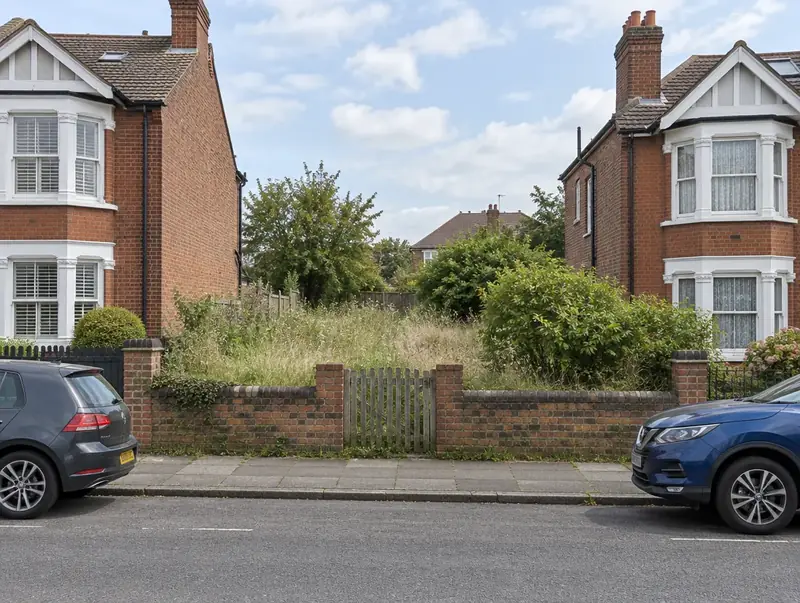
If you own a gap between buildings on a road, it may be an infill plot. We look at how new homes would sit alongside the neighbours, how they would be reached, and whether trees or drainage affect the space.
- Size
- 1 to 9 homes typically
- Planning
- With or without
- Areas
- England & Wales
- Ways we buy
- Outright or conditional
Infill plots we are looking for in Clwyd
Clwyd covers north-east Wales, from Wrexham, Deeside, Buckley, Mold and Flint to the coastal towns of Rhyl, Prestatyn, Colwyn Bay and Llandudno and the market towns of the Vale of Clwyd. Typical sites include edge-of-town fields, former industrial land around Deeside and Wrexham, farm buildings and village infill. There is no grey belt in Wales, but Future Wales anticipates a green belt around Wrexham and Deeside, and the Clwydian Range and Dee Valley National Landscape is a major constraint.
- Side gardens with their own road frontage
- Small yards or garages between houses
- Plots large enough for one or more homes with parking
- Land with or without an earlier planning history
The A55 coast road and the Wrexham to Bidston and North Wales Coast rail lines link the main towns with Chester and Merseyside. Coastal flood risk under TAN 15 is significant around Rhyl and Prestatyn, and phosphate limits in parts of the River Dee catchment have affected some schemes.
What decides whether a site in Clwyd works
Character of the street
New homes need to suit the building line, height and spacing of the street.
Neighbours' amenity
Overlooking, loss of light and outlook are the issues planners weigh most often.
Trees
Protected trees or trees in a conservation area can limit what fits.
In Wales, planning decisions are guided by Planning Policy Wales and Future Wales: the National Plan 2040, with land for housing identified through each council's Local Development Plan, including candidate site stages when plans are reviewed.
In parts of Wales where Welsh is widely spoken, councils may consider the effect of new housing on the Welsh language when preparing plans and deciding applications.
Four ways to sell to us
Subject-to-planning contract
Common for infill: we apply, and you sell once permission is granted.
Subject-to-planning contractJoint venture
You contribute the land, we fund and manage planning and delivery, and the proceeds are shared as agreed.
Joint ventureHow a sale to us works
Get in touch
Tell us where the land is and what you know about it.
Site review
We look at the land, its planning position and anything that could affect it.
Proposal
We put our proposal in writing, with no obligation to accept.
Exchange and completion
If you go ahead, contracts are exchanged and the sale completes on the agreed terms.
Frequently asked in Clwyd
How wide does an infill plot need to be?
There is no fixed figure; it depends on the street. A plot that allows a home similar in width to its neighbours, with space to the sides, is a good start.
Do small infill sites need biodiversity net gain?
In England, from 6 August 2026 most non-major sites of 0.2 hectares or less are exempt from mandatory BNG, unless priority habitat is affected. Wales uses a different approach.
How quickly can you look at a site in Clwyd?
For most sites we can give an initial view once we have the location and a plan. Detailed checks follow if the land looks suitable.
Do I need to pay anything to have land in Clwyd assessed?
No. Our appraisal is free and there is no obligation to sell to us.