
Garden and backland plots wanted in Cumbria
If you own garden and backland plots in or around Cumbria, we would like to hear about it. We buy directly and give a free, no-obligation appraisal.
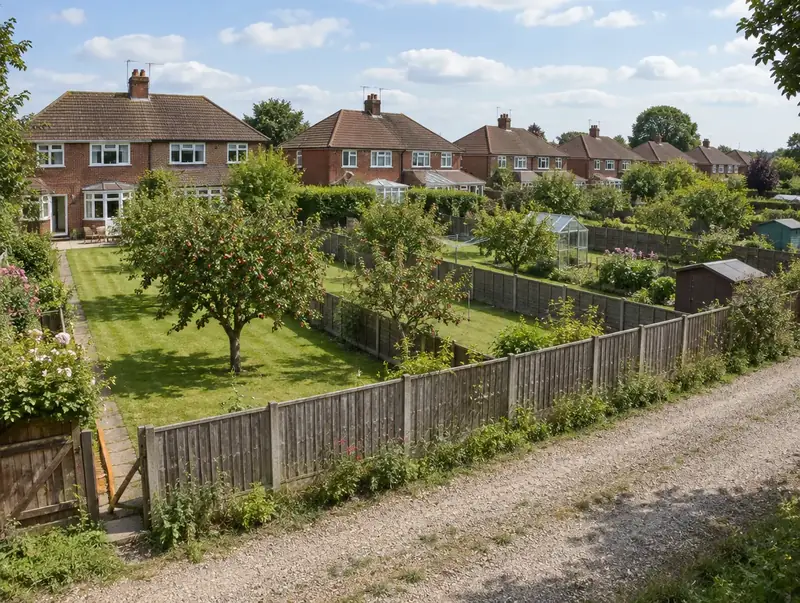
Garden and backland development means building new homes on land behind existing houses. It works best where there is a safe access and enough space to avoid overlooking. We buy single large gardens and assemble neighbouring gardens where owners agree.
- Size
- 1 to 20 homes typically
- Planning
- Usually without
- Areas
- England & Wales
- Ways we buy
- Conditional or outright
Is your land in Cumbria the kind we want?
Cumbria has no Green Belt, but the Lake District National Park, part of the Yorkshire Dales National Park and the North Pennines, Arnside and Silverdale and Solway Coast National Landscapes cover much of the county. Housing land therefore concentrates around Carlisle, Kendal, Penrith and the west coast towns of Whitehaven, Workington and Barrow-in-Furness. Typical sites include edge-of-town fields, former industrial land on the coast and conversions of farm buildings.
- Several neighbouring gardens that could be combined
- Land behind houses with an existing drive or gap for access
- Paddocks and orchards behind homes on the edge of a village
- Plots where the owner wants to keep their house
Nutrient neutrality advice has affected several Cumbrian catchments, including the Eden, the Derwent and Bassenthwaite Lake and the River Kent, so drainage solutions matter. The west coast's energy and port economy and the M6 and West Coast Main Line corridor through Penrith and Carlisle shape where most new homes are planned.
Before we make an offer in Cumbria
Overlooking
New homes must sit far enough from existing homes to protect privacy.
Local garden policy
Some councils resist garden development; others support it where character is respected.
Mortgage consent
If your home is mortgaged, the lender will usually need to release the garden land.
In England, the revised National Planning Policy Framework published on 17 August 2026 replaced the old "tilted balance" with new settlement policies: development within a settlement should normally be approved unless the harm substantially outweighs the benefits, while land outside a settlement can gain support in defined circumstances.
In England, a planning permission normally has to be implemented within three years unless the council sets a different period, and councils aim to decide minor applications within eight weeks and major ones within thirteen.
Garden and backland plots wanted in towns across Cumbria
Ways to sell garden and backland plots in Cumbria
Subject-to-planning contract
We agree a price now and complete once a satisfactory planning permission is granted.
Subject-to-planning contractJoint venture
You contribute the land, we fund and manage planning and delivery, and the proceeds are shared as agreed.
Joint ventureThe next steps
Tell us about the land
Use the form or call us with the location and a rough outline of the site.
Free appraisal
We review title, planning and constraints and tell you honestly what we think.
Written offer
If the site suits us, we set out an offer and the way we propose to buy.
Solicitors take over
Your solicitor and ours agree the contract; we keep you informed throughout.
Questions owners in Cumbria ask
Will selling part of my garden affect my house value?
It can, and the effect varies. We plan the boundary and access to protect your home, and you should take independent advice on the overall position.
Do I pay tax on selling garden land?
Tax depends on your circumstances, including how much land you have and how it has been used. Speak to a tax adviser before you agree terms.
Which planning rules apply to land in Cumbria?
As Cumbria is in England, national policy comes from the National Planning Policy Framework, revised in August 2026. Local policies in the council's development plan also apply.
Do I need to pay anything to have land in Cumbria assessed?
No. Our appraisal is free and there is no obligation to sell to us.