
Barns and rural buildings wanted in Gwent
We want to hear from owners of barns and rural buildings in Gwent. There is nothing to pay us, and you are under no obligation.
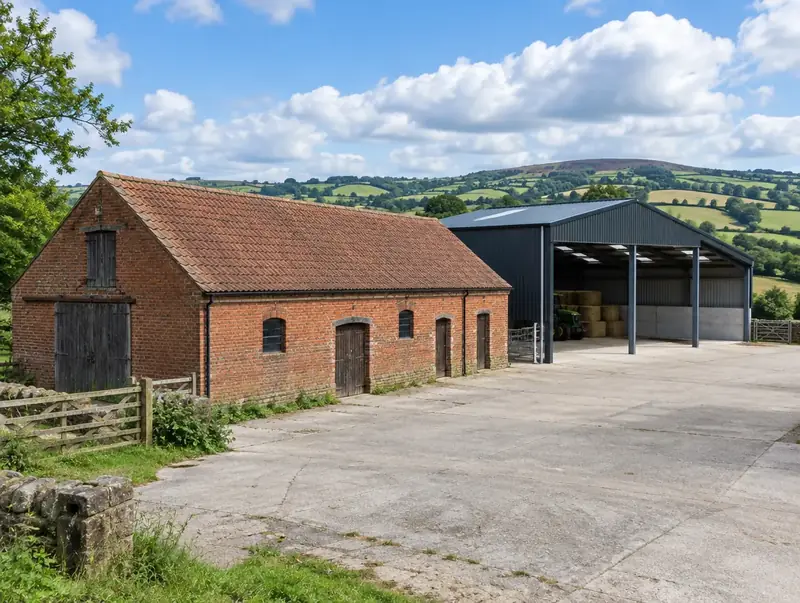
A redundant barn, stable block or yard can have residential potential. Traditional buildings often suit conversion, while modern steel barns may qualify for permitted development in England. We assess the building, access and planning route before proposing a deal.
- Size
- Single barns to farmyards
- Planning
- With or without
- Areas
- England & Wales
- Ways we buy
- Outright or conditional
Barns and rural buildings we are looking for in Gwent
Gwent covers south-east Wales, from Newport, Cwmbran and Pontypool to the valley towns of Ebbw Vale, Tredegar, Blackwood and Caerphilly and the market towns of Abergavenny, Chepstow and Monmouth. Typical sites include former industrial and colliery land, edge-of-town fields and village infill, with green wedges protecting gaps between settlements. Phosphate limits in the Usk and Wye catchments have held back housing in parts of the area, and the Gwent Levels bring flood and habitat constraints.
- Stable blocks, workshops and rural yards
- Farmyards with several buildings
- Buildings with an existing access to a road
- Buildings with or without an existing consent
Newport's adopted Local Development Plan designates a green belt between Newport and Cardiff, and Future Wales anticipates a wider green belt for south-east Wales once a regional plan sets its boundary. Newport and Cwmbran see the strongest demand, while Bannau Brycheiniog National Park and the Wye Valley National Landscape cover northern and eastern parts of the area.
What decides whether a site in Gwent works
Protected species
Bats and barn owls are common in rural buildings and need surveys at the right time of year.
Protected landscapes
National Parks and National Landscapes can restrict permitted development and design.
Access and services
Rural buildings often need new access, drainage and power.
Parts of Wales lie in river catchments where phosphate levels in protected rivers affect new housing, so drainage and nutrient solutions can be an early question.
The Planning (Wales) Act 2026 received Royal Assent on 27 April 2026 and is being brought into force in stages, consolidating Welsh planning law into a single Welsh framework.
Parts of Gwent fall within Bannau Brycheiniog National Park and Wye Valley National Landscape. Protected landscapes carry strong policy protection, so land in or next to them needs particularly careful assessment.
Four ways to sell to us
Subject-to-planning contract
Common: we seek planning consent and complete if successful.
Subject-to-planning contractThe next steps
Get in touch
Tell us where the land is and what you know about it.
Site review
We look at the land, its planning position and anything that could affect it.
Proposal
We put our proposal in writing, with no obligation to accept.
Exchange and completion
If you go ahead, contracts are exchanged and the sale completes on the agreed terms.
Questions owners in Gwent ask
We still use some of the buildings. Can we sell just part of the yard?
Yes. We can look at selling some buildings and keeping others, with access and boundaries agreed.
Do bats stop a barn conversion?
Not usually, but surveys and mitigation are needed, and survey seasons can affect timing.
Can an agent introduce land in Gwent to you?
Yes. Estate agents, land agents and planning consultants can introduce sites with the owner's consent. Any fee is agreed in writing before details are shared, confirmed by the owner in writing and paid only on completion.
Which planning rules apply to land in Gwent?
As Gwent is in Wales, national policy comes from Planning Policy Wales and Future Wales: the National Plan 2040. Local policies in the council's development plan also apply.