
Barns and rural buildings wanted in Littlehampton
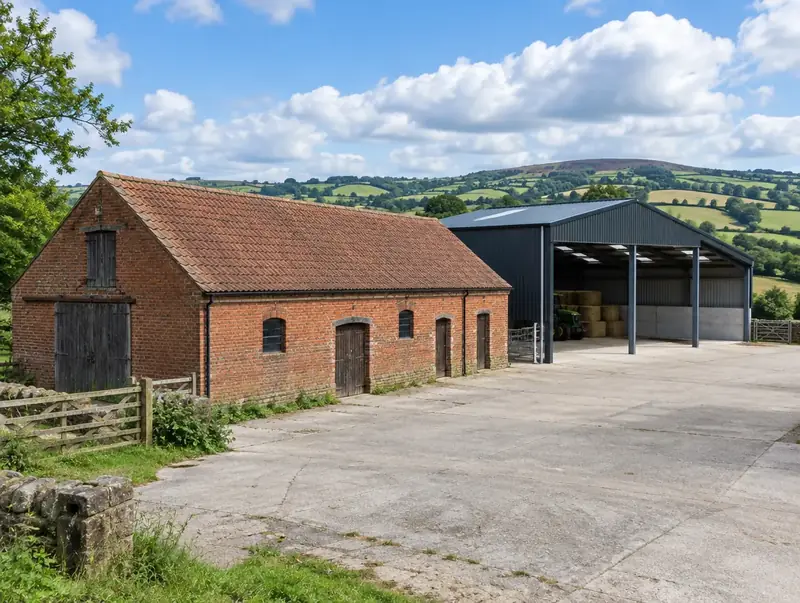
Looking to sell barns and rural buildings near Littlehampton? We assess every site on its merits and explain the options in plain English.
If you have farm buildings that are no longer needed, they may be suited to homes. We look at traditional and modern barns, stables and rural yards across England and Wales and explain the realistic planning route for each.
- Size
- Single barns to farmyards
- Planning
- With or without
- Areas
- England & Wales
- Ways we buy
- Outright or conditional
The barns and rural buildings that interests us around Littlehampton
Farm buildings near Littlehampton that have fallen out of use may suit conversion, particularly traditional barns with a good access. In West Sussex, Littlehampton sits about 11 miles east of Chichester; Bognor Regis and Worthing are its nearest neighbours on our list.
- Modern agricultural buildings that may suit Class Q (England)
- Stable blocks, workshops and rural yards
- Buildings with an existing access to a road
- Buildings with or without an existing consent
West Sussex includes Crawley, Horsham, Haywards Heath, Burgess Hill, East Grinstead and Chichester and the coastal towns of Worthing, Bognor Regis, Littlehampton, Shoreham-by-Sea and Lancing. It has only a very small area of Green Belt on the Surrey border, but the South Downs National Park and the High Weald and Chichester Harbour National Landscapes cover large parts. Typical sites include edge-of-town fields, farm buildings, infill plots and urban brownfield land.
Before we make an offer in Littlehampton
Planning route
In England, Class Q prior approval may apply to agricultural buildings; in Wales, a full application is usually needed.
Structure
Conversion routes usually require the building to be capable of conversion without substantial rebuilding.
Protected species
Bats and barn owls are common in rural buildings and need surveys at the right time of year.
The August 2026 NPPF supports homes within reasonable walking distance (around 800 metres) of well-connected railway stations, with minimum densities of 35 homes per hectare, or 45 near higher-frequency stations.
Parts of West Sussex are Green Belt, though not every town has any nearby. We check early whether a site is inside it and, if so, whether a grey belt or previously developed land case could apply.
Though we are based in Birmingham (roughly 134 miles away), distance is no barrier: we look at land across England and Wales.
Choosing how to sell
Subject-to-planning contract
Common: we seek consent or prior approval and complete if successful.
Subject-to-planning contractOption agreement
You grant us the right to buy within a set period, usually for an option premium, while we pursue planning.
Option agreementHow a sale to us works
Tell us about the land
Use the form or call us with the location and a rough outline of the site.
Free appraisal
We review title, planning and constraints and tell you honestly what we think.
Written offer
If the site suits us, we set out an offer and the way we propose to buy.
Solicitors take over
Your solicitor and ours agree the contract; we keep you informed throughout.
Your questions answered
Does Class Q apply in Wales?
No. Class Q is part of the permitted development rules for England. In Wales, barn conversions generally need a full planning application.
Do bats stop a barn conversion?
Not usually, but surveys and mitigation are needed, and survey seasons can affect timing.
How quickly can you look at a site in Littlehampton?
For most sites we can give an initial view once we have the location and a plan. Detailed checks follow if the land looks suitable.
Which planning rules apply to land in Littlehampton?
As Littlehampton is in England, national policy comes from the National Planning Policy Framework, revised in August 2026. Local policies in the council's development plan also apply.