
Barns and rural buildings wanted in Ipswich
Looking to sell barns and rural buildings near Ipswich? We assess every site on its merits and explain the options in plain English.
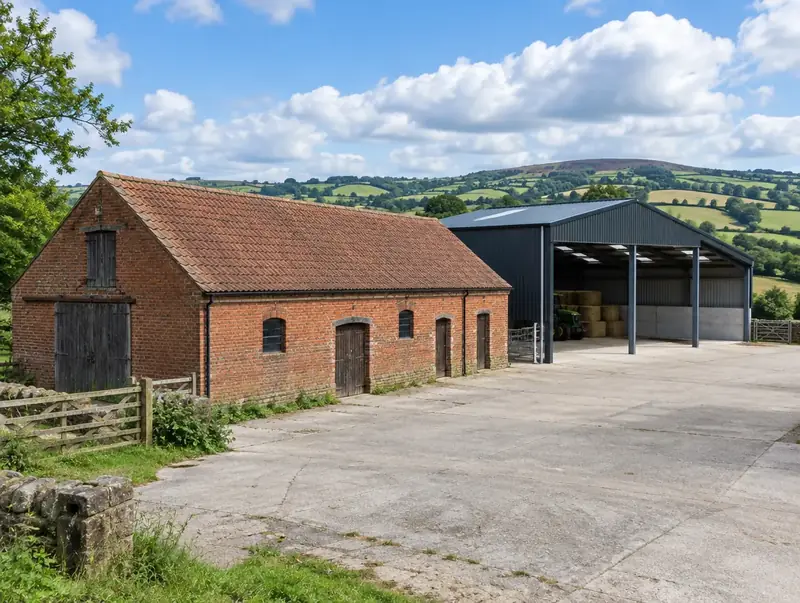
If you have farm buildings that are no longer needed, they may be suited to homes. We look at traditional and modern barns, stables and rural yards across England and Wales and explain the realistic planning route for each.
- Size
- Single barns to farmyards
- Planning
- With or without
- Areas
- England & Wales
- Ways we buy
- Outright or conditional
Is your land in Ipswich the kind we want?
Farm buildings near Ipswich that have fallen out of use may suit conversion, particularly traditional barns with a good access. Ipswich is the county town of Suffolk. Nearby places we also cover include Harwich, Felixstowe and Stowmarket.
- Modern agricultural buildings that may suit Class Q (England)
- Stable blocks, workshops and rural yards
- Farmyards with several buildings
- Buildings with or without an existing consent
Suffolk is a largely rural county with Ipswich, Lowestoft, Bury St Edmunds, Haverhill, Felixstowe, Sudbury, Stowmarket and Newmarket and many villages. There is no Green Belt, but the Suffolk and Essex Coast and Heaths and Dedham Vale National Landscapes and part of the Broads cover sensitive areas. Typical sites include edge-of-village fields, farm buildings, infill plots and former industrial or airfield land, with coastal change a factor on the eroding coast.
What usually makes or breaks it
Planning route
In England, Class Q prior approval may apply to agricultural buildings; in Wales, a full application is usually needed.
Structure
Conversion routes usually require the building to be capable of conversion without substantial rebuilding.
Protected species
Bats and barn owls are common in rural buildings and need surveys at the right time of year.
Since 6 August 2026, non-major development on sites of 0.2 hectares or less in England has generally been exempt from mandatory biodiversity net gain, unless priority habitat is affected. That makes many small sites simpler to bring forward.
Though we are based in Birmingham (roughly 134 miles away), distance is no barrier: we look at land across England and Wales.
Choosing how to sell
Outright purchase
We agree a price and buy the land, with no planning condition attached.
Outright purchaseSubject-to-planning contract
Common: we seek consent or prior approval and complete if successful.
Subject-to-planning contractJoint venture
You contribute the land, we fund and manage planning and delivery, and the proceeds are shared as agreed.
Joint ventureFrom first call to completion
Tell us about the land
Use the form or call us with the location and a rough outline of the site.
Free appraisal
We review title, planning and constraints and tell you honestly what we think.
Written offer
If the site suits us, we set out an offer and the way we propose to buy.
Solicitors take over
Your solicitor and ours agree the contract; we keep you informed throughout.
Your questions answered
Does Class Q apply in Wales?
No. Class Q is part of the permitted development rules for England. In Wales, barn conversions generally need a full planning application.
We still use some of the buildings. Can we sell just part of the yard?
Yes. We can look at selling some buildings and keeping others, with access and boundaries agreed.
Is Ipswich too far from our Birmingham base?
No. We are based in Great Barr, Birmingham, about 134 miles from Ipswich, and we look at land right across England and Wales.
Which planning rules apply to land in Ipswich?
As Ipswich is in England, national policy comes from the National Planning Policy Framework, revised in August 2026. Local policies in the council's development plan also apply.