
Barns and rural buildings wanted in Burnley
We want to hear from owners of barns and rural buildings in Burnley. There is nothing to pay us, and you are under no obligation.
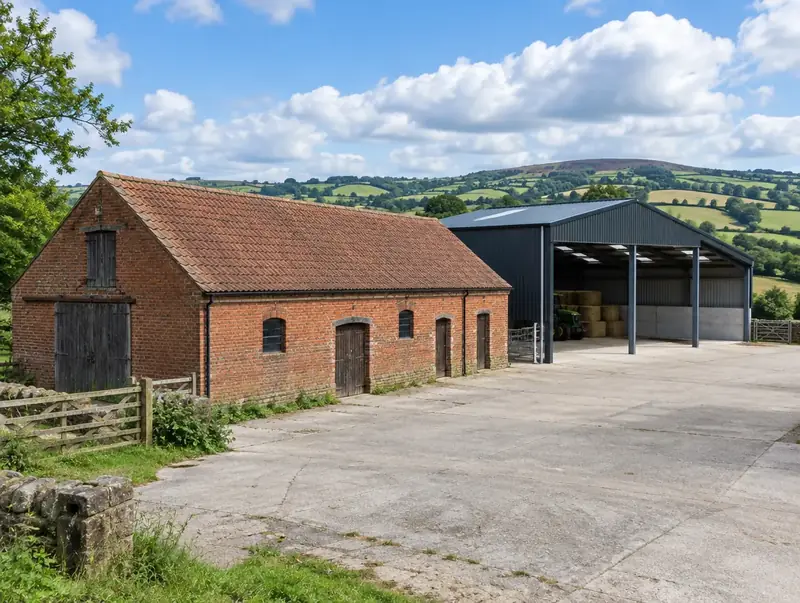
If you have farm buildings that are no longer needed, they may be suited to homes. We look at traditional and modern barns, stables and rural yards across England and Wales and explain the realistic planning route for each.
- Size
- Single barns to farmyards
- Planning
- With or without
- Areas
- England & Wales
- Ways we buy
- Outright or conditional
Barns and rural buildings we are looking for in Burnley
We look at barns and rural yards around Burnley and give a straight view on whether conversion or replacement is realistic. Burnley lies about 19 miles east of Preston in Lancashire. We also cover Nelson, Colne, Accrington and the villages between them.
- Stable blocks, workshops and rural yards
- Farmyards with several buildings
- Buildings with an existing access to a road
- Buildings with or without an existing consent
Lancashire includes Preston, Blackburn, Burnley, Blackpool and Lancaster alongside the Fylde coast resorts, the East Lancashire mill towns and many rural villages. Green Belt covers much of the south and east, between the Merseyside and Greater Manchester conurbations, and smaller areas around Blackpool and Lancaster. Former mill and industrial land, edge-of-town fields and village infill are the usual sources of housing land, with grey belt now relevant on parts of the urban fringe.
What decides whether a site in Burnley works
Planning route
In England, Class Q prior approval may apply to agricultural buildings; in Wales, a full application is usually needed.
Structure
Conversion routes usually require the building to be capable of conversion without substantial rebuilding.
Protected landscapes
National Parks and National Landscapes can restrict permitted development and design.
Since 6 August 2026, non-major development on sites of 0.2 hectares or less in England has generally been exempt from mandatory biodiversity net gain, unless priority habitat is affected. That makes many small sites simpler to bring forward.
Though we are based in Birmingham (roughly 88 miles away), distance is no barrier: we look at land across England and Wales.
Four ways to sell to us
Outright purchase
We agree a price and buy the land, with no planning condition attached.
Outright purchaseSubject-to-planning contract
Common: we seek consent or prior approval and complete if successful.
Subject-to-planning contractWhat happens after you get in touch
Send the basics
A postcode or plan and a few lines about the land are enough to start.
We do the homework
We check planning history, policy, flood maps and access at no cost to you.
We explain the options
You get a written proposal covering price, structure and timing.
Agree and proceed
Once you are happy, solicitors are instructed and the deal moves forward.
Questions owners in Burnley ask
We still use some of the buildings. Can we sell just part of the yard?
Yes. We can look at selling some buildings and keeping others, with access and boundaries agreed.
Do bats stop a barn conversion?
Not usually, but surveys and mitigation are needed, and survey seasons can affect timing.
Which planning rules apply to land in Burnley?
As Burnley is in England, national policy comes from the National Planning Policy Framework, revised in August 2026. Local policies in the council's development plan also apply.
Do I need to pay anything to have land in Burnley assessed?
No. Our appraisal is free and there is no obligation to sell to us.