
Barns and rural buildings wanted in Southampton
If you own barns and rural buildings in or around Southampton, we would like to hear about it. We buy directly and give a free, no-obligation appraisal.
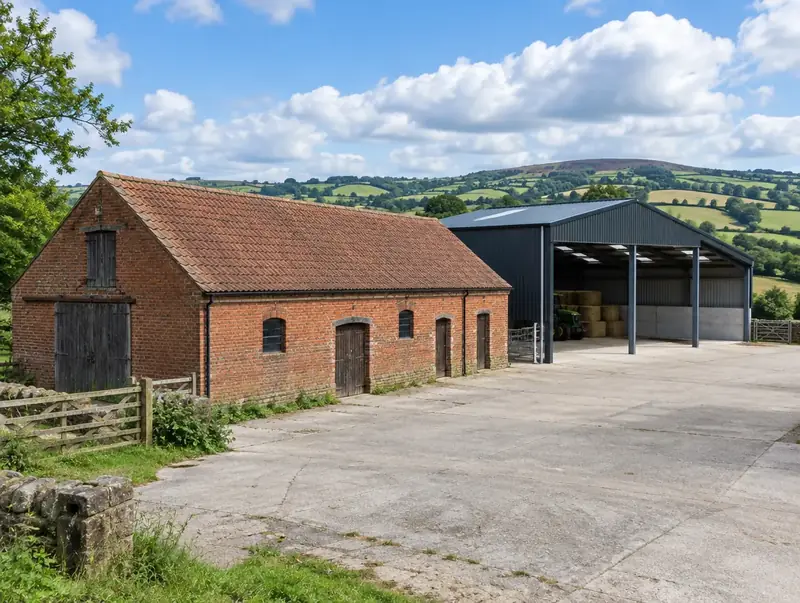
Barns and rural buildings can sometimes become homes through conversion or, in some cases, replacement. In England, Class Q permitted development allows certain agricultural buildings to change to residential use; in Wales the route is through a planning application. We buy suitable buildings in both nations.
- Size
- Single barns to farmyards
- Planning
- With or without
- Areas
- England & Wales
- Ways we buy
- Outright or conditional
Is your land in Southampton the kind we want?
We look at barns and rural yards around Southampton and give a straight view on whether conversion or replacement is realistic. Southampton lies about 12 miles south of Winchester in Hampshire. We also cover Hythe, Totton, Hedge End and the villages between them.
- Traditional brick or stone barns
- Modern agricultural buildings that may suit Class Q (England)
- Stable blocks, workshops and rural yards
- Buildings with or without an existing consent
Nutrient neutrality advice has applied across much of south Hampshire because of the Solent's protected habitats, and coastal schemes contribute to recreation mitigation for overwintering birds. The M3 and M27 corridors carry most planned growth, with smaller sites in market towns such as Alton, Andover and Romsey.
Checks we make on barns and rural buildings in Southampton
Planning route
In England, Class Q prior approval may apply to agricultural buildings; in Wales, a full application is usually needed.
Structure
Conversion routes usually require the building to be capable of conversion without substantial rebuilding.
Access and services
Rural buildings often need new access, drainage and power.
The August 2026 NPPF supports homes within reasonable walking distance (around 800 metres) of well-connected railway stations, with minimum densities of 35 homes per hectare, or 45 near higher-frequency stations.
We are based in Great Barr, Birmingham, around 116 miles from Southampton, and we travel to see sites across England and Wales.
Four ways to sell to us
Subject-to-planning contract
Common: we seek consent or prior approval and complete if successful.
Subject-to-planning contractJoint venture
You contribute the land, we fund and manage planning and delivery, and the proceeds are shared as agreed.
Joint ventureHow a sale to us works
Tell us about the land
Use the form or call us with the location and a rough outline of the site.
Free appraisal
We review title, planning and constraints and tell you honestly what we think.
Written offer
If the site suits us, we set out an offer and the way we propose to buy.
Solicitors take over
Your solicitor and ours agree the contract; we keep you informed throughout.
Barns and rural buildings in Southampton: common questions
Can a steel-framed barn become a home?
In England it may, under Class Q, if it meets the conditions. Whether it is worth doing depends on the building, access and location.
We still use some of the buildings. Can we sell just part of the yard?
Yes. We can look at selling some buildings and keeping others, with access and boundaries agreed.
How quickly can you look at a site in Southampton?
For most sites we can give an initial view once we have the location and a plan. Detailed checks follow if the land looks suitable.
Which planning rules apply to land in Southampton?
As Southampton is in England, national policy comes from the National Planning Policy Framework, revised in August 2026. Local policies in the council's development plan also apply.