
Barns and rural buildings wanted in Southend-on-Sea
If you own barns and rural buildings in or around Southend-on-Sea, we would like to hear about it. We buy directly and give a free, no-obligation appraisal.
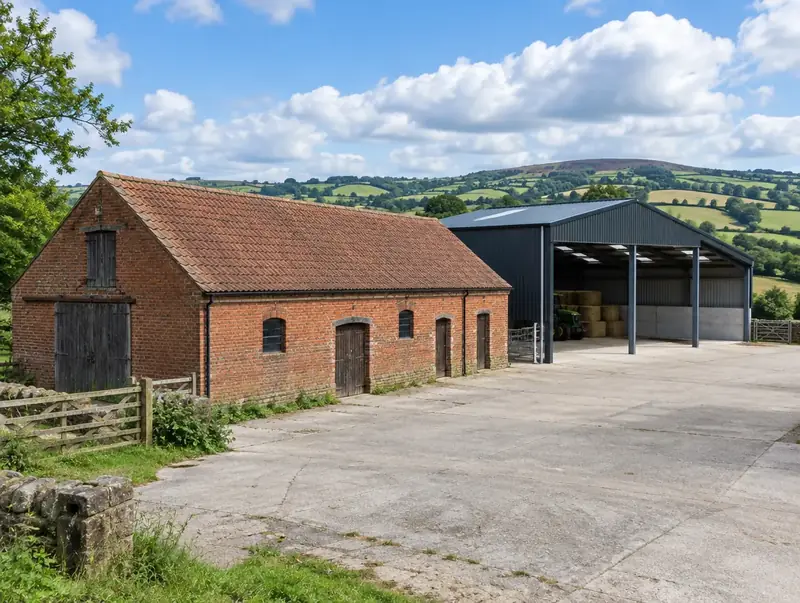
A redundant barn, stable block or yard can have residential potential. Traditional buildings often suit conversion, while modern steel barns may qualify for permitted development in England. We assess the building, access and planning route before proposing a deal.
- Size
- Single barns to farmyards
- Planning
- With or without
- Areas
- England & Wales
- Ways we buy
- Outright or conditional
The barns and rural buildings that interests us around Southend-on-Sea
Farm buildings near Southend-on-Sea that have fallen out of use may suit conversion, particularly traditional barns with a good access. Southend-on-Sea lies about 17 miles south-east of Chelmsford in Essex. We also cover Rochford, Hadleigh, Rayleigh and the villages between them.
- Traditional brick or stone barns
- Modern agricultural buildings that may suit Class Q (England)
- Stable blocks, workshops and rural yards
- Farmyards with several buildings
Essex is one of the most varied counties for land, from Southend-on-Sea, Basildon, Chelmsford, Colchester and Harlow to the Tendring coast and many rural villages. Much of the south and west is Metropolitan Green Belt, where grey belt and previously developed land are key, while north-east Essex, including Colchester and the Tendring coast, has none. Typical sites include edge-of-village fields, farmyards, former employment land and coastal-town brownfield sites.
What decides whether a site in Southend-on-Sea works
Planning route
In England, Class Q prior approval may apply to agricultural buildings; in Wales, a full application is usually needed.
Protected species
Bats and barn owls are common in rural buildings and need surveys at the right time of year.
Access and services
Rural buildings often need new access, drainage and power.
The August 2026 NPPF supports homes within reasonable walking distance (around 800 metres) of well-connected railway stations, with minimum densities of 35 homes per hectare, or 45 near higher-frequency stations.
Some land in Essex is designated Green Belt. If your land is within it, it may still qualify as grey belt or previously developed land under national policy, subject to the Golden Rules.
Our base is in Great Barr, Birmingham, about 131 miles away, and we buy land throughout England and Wales.
Four ways to sell to us
Subject-to-planning contract
We agree a price now and complete once a satisfactory planning permission is granted.
Subject-to-planning contractFrom first call to completion
Tell us about the land
Use the form or call us with the location and a rough outline of the site.
Free appraisal
We review title, planning and constraints and tell you honestly what we think.
Written offer
If the site suits us, we set out an offer and the way we propose to buy.
Solicitors take over
Your solicitor and ours agree the contract; we keep you informed throughout.
Questions owners in Southend-on-Sea ask
Does Class Q apply in Wales?
No. Class Q is part of the permitted development rules for England. In Wales, barn conversions generally need a full planning application.
Can a steel-framed barn become a home?
In England it may, under Class Q, if it meets the conditions. Whether it is worth doing depends on the building, access and location.
Is Southend-on-Sea too far from our Birmingham base?
No. We are based in Great Barr, Birmingham, about 131 miles from Southend-on-Sea, and we look at land right across England and Wales.
Which planning rules apply to land in Southend-on-Sea?
As Southend-on-Sea is in England, national policy comes from the National Planning Policy Framework, revised in August 2026. Local policies in the council's development plan also apply.